Building Muscle Without Bulking Up: How to Tone Effectively
15 December 2025
So, you want muscle definition without going full-on Hulk mode? You're not alone. A lot of people—especially women, but many men too—want to be strong, lean, and toned without looking bulky. And let’s be real, the whole “bulking up” fear stops more people from picking up weights than it should.
Good news? You can absolutely build muscle without turning into a bodybuilder. The secret lies in how you train, what you eat, and how you recover. In this guide, we're going to break it all down and show you exactly how to tone effectively.
What Does “Toning” Even Mean?
Let’s clear one thing up: “toning” is not some magical fitness process different from building muscle. It’s actually a mix of two main things:1. Building lean muscle
2. Losing enough body fat to make those muscles visible
That sleek, defined look? That’s lean muscle showing through a thinner layer of fat—not some jazz-hands alternative to traditional weightlifting.
Myth-Busting: Why You Won’t Get Bulky By Accident
One of the biggest misconceptions out there is that lifting weights will automatically make you bulky. Nope. Here's the truth:- Bulking up requires time, heavy eating, and specific training. You’re not going to magically wake up and look like a bodybuilder just because you did three sets of squats.
- Women have lower testosterone levels, meaning it’s biologically harder to pack on large amounts of muscle.
- Bulky vs. toned often comes down to body fat percentage. The leaner you are, the more muscle shows. Period.
So, instead of fearing strength training, embrace it. It’s your best friend when it comes to toning.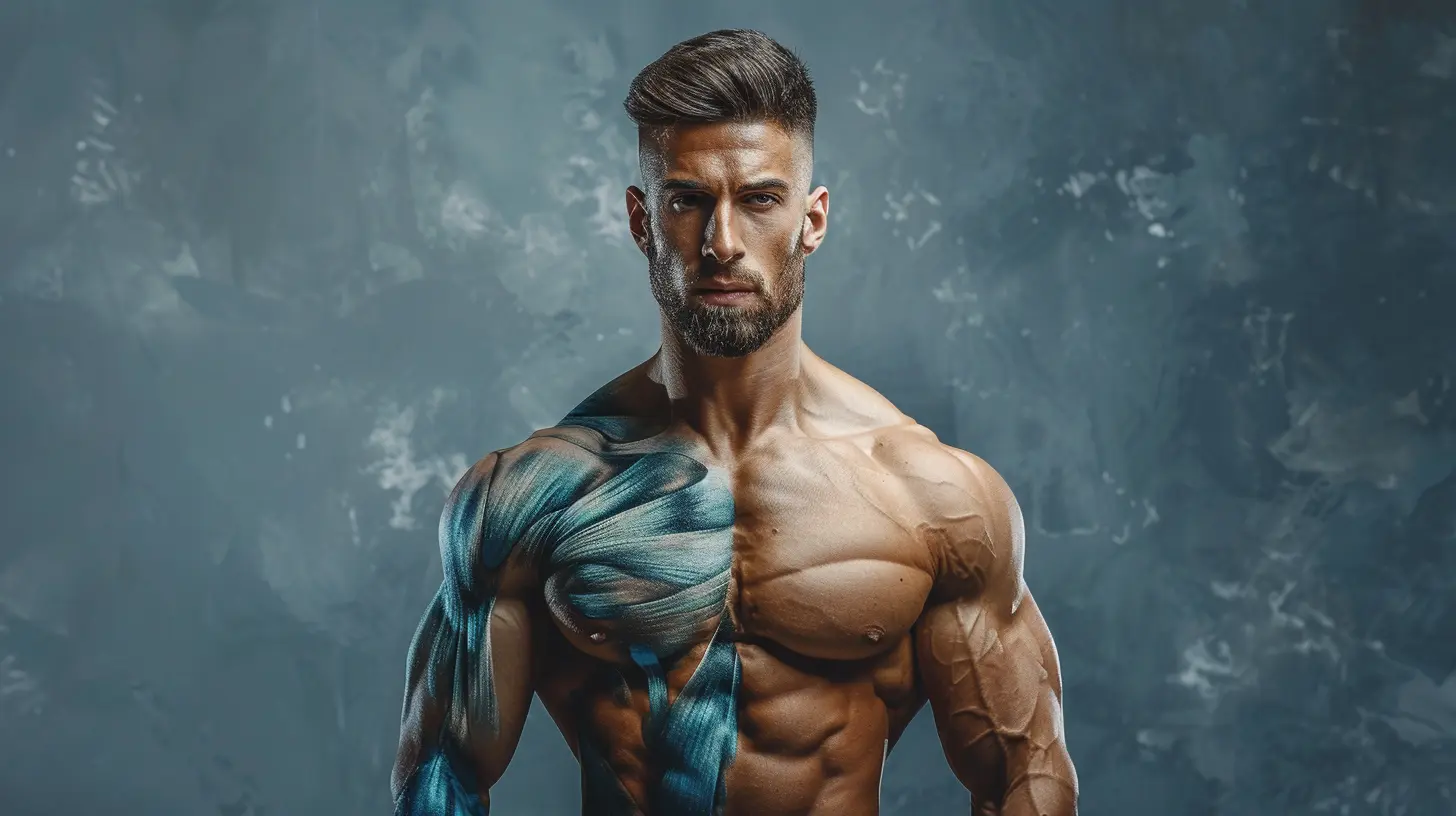
The Right Way to Build Lean Muscle
1. Choose the Right Type of Resistance Training
Want to tone without bulking? You've gotta strike a balance. Your workouts should include:- Moderate weights + higher reps (think 10–15 reps per set)
- Shorter rest times (30 to 60 seconds between sets)
- Focus on form over how heavy you’re lifting
Think of it like sculpting your body, not maxing out your strength PRs. You’re polishing, not building a skyscraper.
2. Go for Compound Movements
These are exercises that hit more than one muscle group at a time. They’re efficient and help you burn more calories overall.Some fan favorites:
- Squats
- Deadlifts
- Push-ups
- Rows
- Lunges
- Pull-ups
Why are these golden? They work the major muscle groups, giving you that full-body tone.
3. Add Bodyweight Training
Bodyweight workouts are underrated and perfect for toned gains.Moves like:
- Planks
- Mountain climbers
- Jump squats
- Triceps dips
- Glute bridges
They also build core strength, which is the foundation for a strong, toned look.
Cardio: Your Fat-Melting Sidekick
Toning is not just about muscle—it’s also about lowering body fat so those muscles can actually show.That’s where cardio comes in. But let’s tailor it.
Best Cardio for Toning:
- HIIT (High-Intensity Interval Training): Quick, intense bursts of activity followed by short rests. Efficient and great for fat burn.- Steady-state cardio: Think jogging, biking, or swimming at a moderate pace for 30–45 minutes. Burns fat efficiently, just takes a bit more time.
Alternate between HIIT and steady-state cardio 3–4 times a week for best results.
Dialing In Your Diet: What You Eat Matters (A Lot)
Abs and muscle definition are made in the kitchen. You can work out all you want, but if you’re not eating right, you're basically spinning your wheels.1. Eat Enough Protein
Seriously, protein is the MVP here. It helps repair and grow lean muscle tissue.Aim for about 0.8 to 1 gram of protein per pound of body weight daily. That could look like:
- Eggs
- Chicken
- Greek yogurt
- Fish
- Legumes
- Protein shakes (convenient and effective!)
2. Keep Calories in Check
Want to lose fat and reveal muscle? You’ll need a slight calorie deficit—but nothing extreme.Too few calories = muscle loss. And we're not here for that.
Use a calorie calculator to estimate your needs and create a 200–500 calorie deficit for safe fat loss while maintaining muscle.
3. Balance Your Macros
A solid macro breakdown for toning could be:- 40% carbs
- 30% protein
- 30% healthy fats
Carbs give you energy for workouts. Protein supports muscle growth. Fats keep your hormones (and mood!) in balance.
Rest & Recovery: The Secret Weapon No One Talks About
If you're working out hard and eating clean but still not seeing results, you might be skipping one major piece: recovery.Why Rest Matters
Muscles grow and repair while you rest, not while you're working out. Overtraining can lead to fatigue and even muscle breakdown.Tips for Rest and Recovery:
- Get 7–9 hours of sleep per night- Take at least one full rest day per week
- Don’t train the same muscle group two days back-to-back
- Stretch and foam roll to reduce soreness and improve flexibility
Recovery isn't lazy. It’s smart.
Lifestyle Tweaks That Amplify Results
1. Manage Stress
High cortisol (the stress hormone) can mess with fat loss and muscle tone big time.Some easy ways to de-stress:
- Yoga
- Meditation
- Deep breathing
- Walking outdoors
- Laughing (seriously—it helps)
2. Stay Hydrated
Muscles are around 75% water. You need to drink enough to keep your body performing at its best.Shoot for at least 64 ounces a day, more if you’re working out hard or it’s hot outside.
3. Track Progress (But Don’t Obsess)
Use photos, body measurements, and how your clothes fit—not just the scale. Sometimes you’re making serious changes that the scale doesn’t show.Quick Sample Weekly Workout Plan for Toning
Here’s a no-fluff, 5-day plan to get you started:| Day | Workout Focus |
|-----|----------------|
| Monday | Upper Body Strength (resistance training + core) |
| Tuesday | HIIT + Light Core |
| Wednesday | Lower Body Strength + Glutes |
| Thursday | Rest or light stretching/yoga |
| Friday | Full-Body Strength Training |
| Saturday | Cardio (steady-state or HIIT) |
| Sunday | Active recovery or full rest day |
Rotate every few weeks. Keep challenging your body. That’s how results happen.
Supplements: Are They Necessary?
Short answer? Not always. But they can help if your nutrition isn’t on point or if you're super active.Consider:
- Whey or plant-based protein powder: For hitting your protein goals easily
- BCAAs (Branched-Chain Amino Acids): May help reduce muscle soreness
- Creatine: Safe and effective for strength and performance (not just for bulkers!)
- Multivitamins: To fill nutritional gaps
Always consult with a healthcare provider if you’re unsure.
And Remember: Patience Is Part of the Plan
Building a toned body takes time. You won’t see massive changes overnight, but don’t give up. Stay consistent, tweak what’s not working, and stay patient.Those subtle lines of definition you're looking for? They're proof of your strength, progress, and commitment—and they’re 100% within reach.
So go ahead. Lift the weights. Fuel your body. Rest when needed. You won't bulk up unless you're seriously trying to. Instead, you'll build a strong, lean body that feels as good as it looks.
all images in this post were generated using AI tools
Category:
FitnessAuthor:

Everett Davis
Discussion
rate this article
2 comments
Thalor Phelps
“Achieving a toned physique is more than just a physical pursuit; it's a dance between discipline and understanding your body’s unique needs. Embrace the journey of mindful training and nutrition, where strength blooms without excess, revealing your true potential.”
December 31, 2025 at 5:22 AM
Everett Davis
Absolutely! Toning is about harmonizing discipline with body awareness—it's a mindful journey towards strength and balance without unnecessary bulk.
Zareth Reese
Balance is key here.
December 20, 2025 at 4:55 AM
Everett Davis
Absolutely! Achieving balance is essential for effective toning without unnecessary bulk.