Building Resilient Teams: Overcoming Setbacks Together
4 April 2026
Let’s face it—setbacks are unavoidable. In sports, in life, in just about everything, you’re going to stumble. But here’s the game-changer: how you and your team bounce back when things get tough? That says everything.
Building resilient teams isn’t just about physical strength or raw talent. Nope. It’s about mindset, trust, and the ability to rise from the ashes—together. Whether you're coaching a group of high school athletes, managing a professional squad, or just part of a passionate weekend warrior team, resilience is the secret sauce that turns a good team into a legendary one.
So, how do you go from a collection of individuals to an unshakable, bounce-back-from-anything kind of team? Let’s break it down.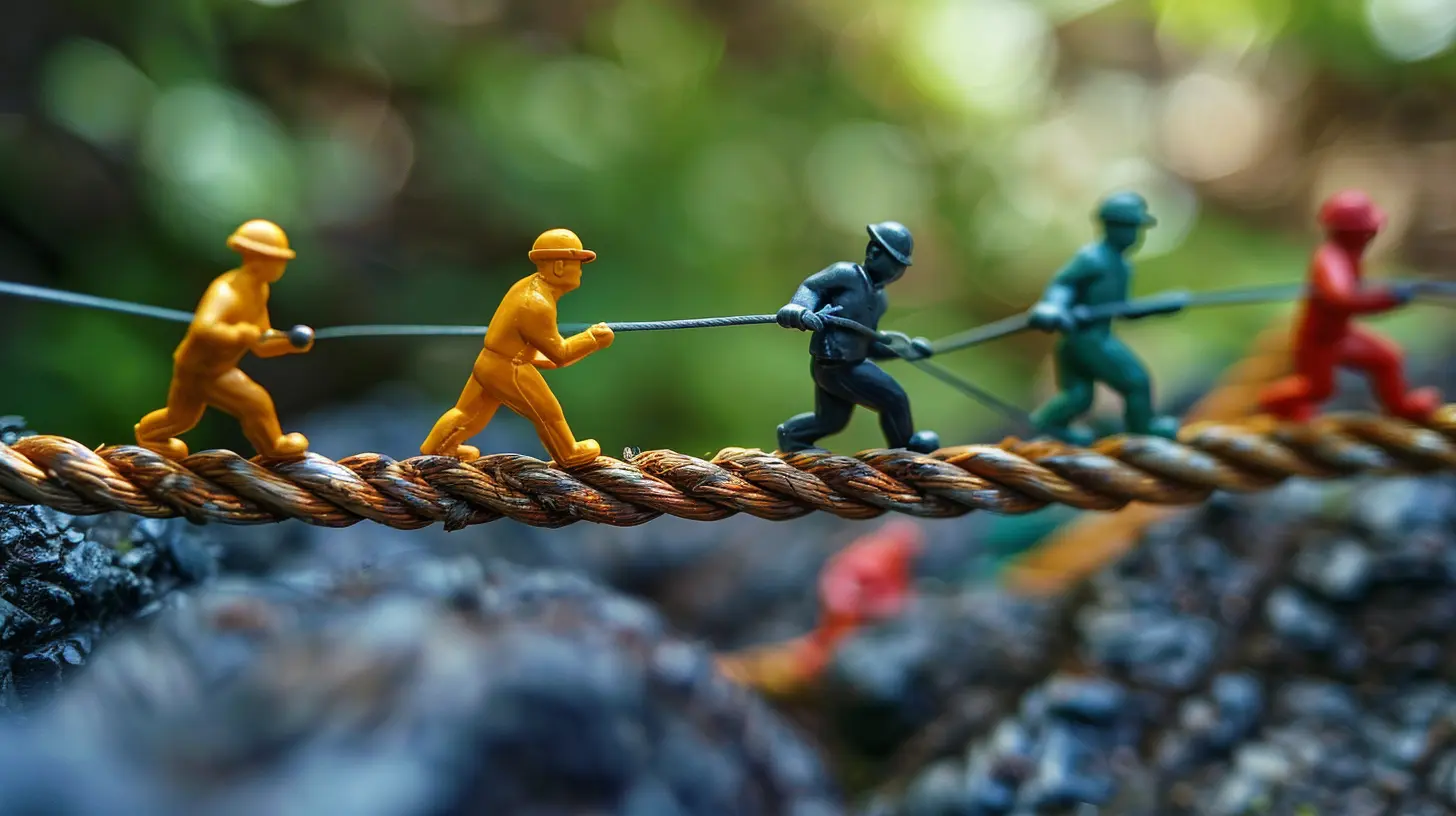
What Is Team Resilience, Really?
Before we dive into the "how", let's clear up the "what".Team resilience is that X-factor—when a group of athletes comes together and says: “We’ve got this” even when everything is going south. It’s the collective ability to respond positively to adversity, pressure, and setbacks.
It’s not just about keeping your head up after a tough loss. It's about learning from failure, adjusting, supporting each other, and charging forward with the same (or even greater) intensity.
Think of it this way: resilience is like a muscle. Unused, it’s weak. Trained? It’s a powerhouse.
Why Resilience Matters in Sports
You’ve probably seen it a hundred times. A team falls behind early in the game—maybe they’re down by double digits. The crowd’s losing hope. But then something clicks. They rally. They start clawing their way back.That’s resilience in action.
The truth is: talent will win you games, but resilience wins championships.
Let’s look at what resilience brings to the table:
- Mental Toughness: When things go wrong, resilient teams stay composed.
- Trust and Unity: Members back each other up instead of pointing fingers.
- Adaptability: They’re flexible, making quick tactical shifts in response to changing situations.
- Long-Term Success: They keep growing after setbacks instead of crumbling.
The Common Setbacks Teams Face
Setbacks? Yeah, they’re as common in sports as sweatbands and Gatorade. Here are a few that’ll inevitably cross your path:- Injuries to key players
- Critical losses or losing streaks
- Internal conflicts or breakdowns in communication
- Poor coaching decisions or strategy misfires
- Media pressure and fan criticism
- Burnout and mental fatigue
Sound familiar? The good news is, every setback holds an opportunity to build character—and chemistry.
Building the Foundation: What Makes a Team Resilient?
So now the big question… how do we build a team that doesn't just survive setbacks but grows stronger because of them?Here’s the game plan.
1. Establish a Growth Mindset Culture
Ever heard your coach say, “It’s not about the loss, it’s about the lesson”? That’s the growth mindset.Resilient teams understand that failure isn’t the end—it's feedback.
Encourage your squad to see obstacles as opportunities to improve. Highlight progress just as much as performance. Celebrate effort, not just outcomes.
This creates a culture where athletes aren’t afraid to take risks, learn from mistakes, and bounce back harder.
2. Build Trust From the Ground Up
Trust isn’t just about knowing your teammate can catch a pass. It’s about knowing they’ve got your back—on the field and off.Resilient teams are built on relationships. Start with:
- Open communication
- Active listening
- Accountability (own your mistakes)
- Encouragement and support
When players trust each other, they respond better under stress and lean on one another when things get rough.
3. Define a Clear and Shared Purpose
Why are we doing this? What’s the mission?Every resilient team has a strong sense of purpose. Whether it’s winning a title, representing your school or city with pride, or simply getting better every week—knowing your “why” gives setbacks less power.
When challenges hit, that shared purpose becomes your anchor.
4. Train Under Pressure
Here’s a fun fact: You don’t rise to the occasion, you fall to your level of training.Want to build resilience? Simulate adversity in practice—tight game situations, high-pressure drills, unfamiliar scenarios. The more your team practices discomfort, the more ready they’ll be when the real storm hits.
Think of it like mental calluses. They hurt at first, but they protect you later.
5. Reframe the Narrative
After a loss or mistake, it’s easy to get stuck in “we blew it” mode. But resilient teams reframe the story.Instead of focusing on failure, they focus on what’s next.
As a leader (coach or captain), help your team shift the focus:
- What did we learn?
- What went well?
- What can we control in the future?
This kind of reframing keeps morale high and eyes fixed forward.
Real-World Examples of Resilient Teams
Still thinking, “Yeah, easier said than done”? Let’s look at a few real-life teams that turned resilience into their superpower.🏆 The Chicago Cubs (2016)
After a 108-year championship drought, what do you think it took to win the World Series? Grit. Unity. Bounce-back ability. Down 3-1 in the series, they came together for a stunning comeback to win it all.🥇 USA Women’s Soccer Team
Faced with criticism, setbacks, and even lawsuits off the field, they stayed focused, bonded, and believed. They didn’t just win titles—they changed the game.🏀 Golden State Warriors (2022)
After injuries, criticism, and a couple of “washed up” headlines, this team showed how resilience and trust in your teammates can bring you back to the top.Notice a common thread? Team-first mentality, humility, and relentless belief.
Leadership’s Role in Fostering Resilience
As much as we talk about “team”, strong leadership is the glue.Here’s what great leaders (coaches or captains alike) do differently:
- Stay calm in chaos – Emotions are contagious.
- Keep communication open – Even when it's tough.
- Lead by example – Show resilience in your actions.
- Empower others – Give players ownership and confidence.
Good leaders don’t shield their teams from adversity—they prepare them for it.
7 Practical Tips to Strengthen Team Resilience
Just want the quick hits? Here’s your cheat sheet:1. Debrief after losses with a learning lens
2. Schedule regular team-building activities
3. Recognize and reward effort, not just wins
4. Rotate leadership roles to build shared responsibility
5. Use visualization and mental rehearsal for tough moments
6. Encourage peer-to-peer support
7. Celebrate small victories along the way
Remember: there’s no “overnight fix” to resilience. It’s built appointment by appointment, game by game.
When Setbacks Strike: The Comeback Mentality
Let’s say your team just suffered a brutal defeat. The locker room’s silent. Shoulders are slumped.Now what?
This is where the comeback begins.
- Acknowledge the pain. (It's okay to hurt.)
- Reflect as a team. (What did we learn?)
- Reaffirm your goals. (Why are we here?)
- Create an action plan. (What’s next?)
- Lift each other up. (No one gets left behind.)
Remember: the comeback isn’t just about the scoreboard. It’s about how you act, support, and believe in each other after everything’s gone wrong.
Final Whistle: Turning Losses Into Legacy
At the end of the day, resilience is what turns a group into a team and a team into a family.Setbacks are inevitable. But they don’t have to derail your journey. In fact, they might just be the turning points that define your legacy.
So the next time your team faces adversity—and it will—take a deep breath. Look at each other. And decide to rise. Together.
Because true resilience? It’s not found in the highlight reel. It’s in the grind, the grit, and the get-back-up moments that nobody else sees.
Stay strong, stay united, and like the best teams out there—build something that lasts.
all images in this post were generated using AI tools
Category:
Team ManagementAuthor:

Everett Davis
Discussion
rate this article
2 comments
Thane Navarro
This article beautifully captures the essence of teamwork and resilience. Emphasizing the importance of overcoming setbacks together not only strengthens bonds but also fosters a culture of growth and perseverance. It's inspiring to see how challenges can unite teams and lead to greater success. Well done!
April 15, 2026 at 4:07 AM
Everett Davis
Thank you for your kind words! I'm glad the article resonated with you. Teamwork truly makes a difference in overcoming challenges.
Runehart McGinnis
Great insights! Together, we can overcome any challenge and build stronger, resilient teams!
April 6, 2026 at 11:22 AM
Everett Davis
Thank you! Absolutely, collaboration is key to resilience and success.