Championship Preview: What to Expect From the 2026 Final Showdowns
27 September 2026
Every championship final carries its own weight. But the 2026 cycle feels different. Across multiple sports, we are watching a rare convergence: veteran dynasties clinging to relevance, a wave of young stars hitting their primes, and rule changes that have quietly reshaped how games are played. The finals themselves will be decided by execution, but the storylines have been building for years.
This preview is not a list of predictions. It is a guide to what actually matters when the lights get brightest. Think of it as a scouting report for the fan who wants to understand why things happen, not just who wins.

Why 2026 Stands Out From Recent Championship Cycles
Championship windows rarely align this neatly. In most years, one or two finals dominate the conversation. In 2026, several major competitions are arriving at a similar inflection point.The Transition Era
The athletes who defined the late 2010s and early 2020s are mostly in their early to mid thirties now. Some are still elite. Some are holding on. Meanwhile, the generation behind them has had enough seasoning to stop being called "promising." They are ready.This creates a fascinating dynamic in finals. Experience usually wins close games. But youth wins when pace and physicality overwhelm structure. The 2026 finals will test which force is stronger, and the answer may differ sport by sport.
Rule Changes That Have Shifted Tactics
Several governing bodies have adjusted rules over the past two seasons. Some changes were designed to increase scoring. Others targeted player safety or pace of play. The unintended consequences are often more interesting than the intended ones.For example, when officials crack down on a specific defensive technique, coaches do not simply stop using it. They find legal workarounds that create new advantages. By the time a final arrives, both teams have usually adapted. The edge goes to whoever adapted faster and hid their adjustments better during the regular season.
The Expanded Playoff Format Effect
More teams in the postseason means more variance. A team that limps in can catch fire. A dominant regular season team can sit for two weeks and lose its rhythm. In 2026, this tension is sharper than ever because the gap between the top seed and the sixth seed is smaller than it has been in years.Why does this matter for the finals? Because the team that arrives healthiest and most in form is not always the team that looked best in November. Rest versus rust is a real trade-off, and coaches handle it differently. Some treat the bye week like a mini training camp. Others give players three days off to recover mentally and physically. Neither approach is universally correct. It depends on roster age, injury history, and how the team handled similar breaks earlier in the season.
The Contenders: What Each Type of Finalist Brings
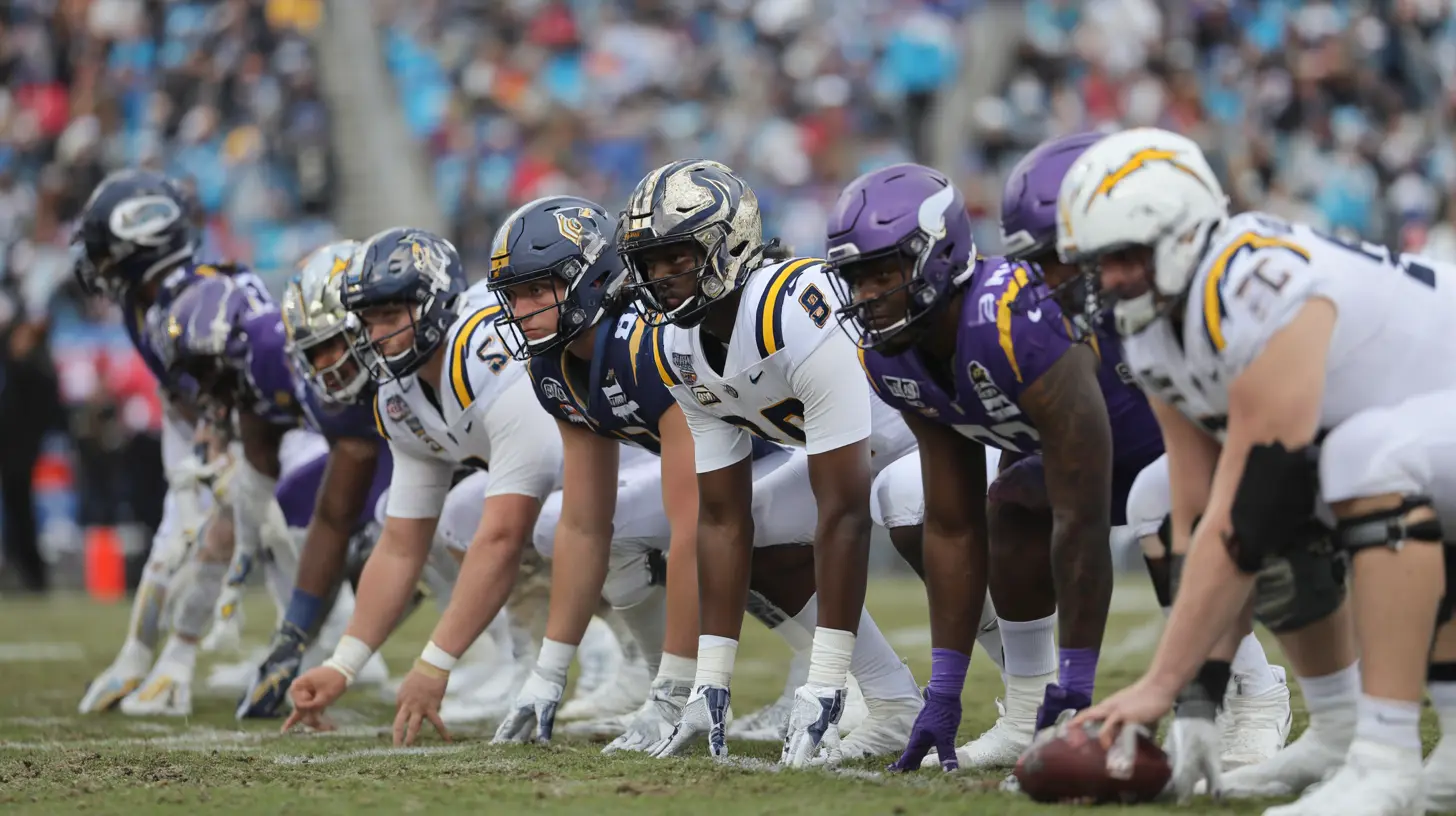
Finals usually feature a clash of archetypes. Understanding those archetypes helps you anticipate how the game will unfold.The Veteran Core
Teams built around experienced stars rely on execution and composure. They have seen every coverage, every pressure, every late-game situation. Their advantage is that nothing surprises them.The trade-off is physical decline. Veteran teams often try to control tempo. They shorten the game, run more clock, and avoid track meets. This works when their defense or pitching staff is healthy. It fails when they fall behind by two scores early and are forced into a style they no longer play well.
If you are watching a veteran team in the 2026 finals, pay attention to the first ten minutes. If they establish their preferred pace, they are dangerous. If the game gets chaotic, they are in trouble.
The Ascending Squad
Young teams arrive with energy and athleticism. They pressure opponents constantly. They recover faster between plays. Their weakness is decision-making under stress.In finals, stress is not a background factor. It is the whole environment. A young quarterback who has been brilliant all season may stare down a receiver for the first time on the biggest stage. A young basketball team may rush shots in the fourth quarter. A young soccer side may lose its shape after conceding.
The question is not whether youth will make mistakes. It will. The question is whether the team's system helps players recover from those mistakes quickly. Teams with simple, well-drilled principles tend to survive. Teams that rely on improvisation often do not.
The Wildcard With Nothing to Lose
Every few years, a team crashes the finals that nobody expected. They play free. They take risks that more established teams avoid. Sometimes this produces a blowout. Sometimes it produces a collapse.The wildcard's advantage is unpredictability. Opponents cannot prepare for tendencies that do not exist. The disadvantage is that unpredictability cuts both ways. When things go wrong, there is no reliable fallback.
If a wildcard team reaches the 2026 finals, watch how their coach manages the first sign of adversity. A quick timeout, a simplified play call, a return to fundamentals. Those are good signs. Panic is not.
Tactical Battlegrounds to Watch
Finals are usually decided in specific matchups. Here are the areas that will matter most across the 2026 championships.Set Pieces and Special Teams
In low-scoring finals, the margin often comes from set pieces or special teams. A corner kick. A punt return. A field goal block. These moments are not luck. They are prepared.Coaches who invest practice time in these situations gain a hidden edge. The problem is that practice time is limited. Every minute spent on special teams is a minute not spent on offense or defense. This is a genuine trade-off, and different coaches solve it differently.
What to watch: Does the team have a dedicated special teams coordinator with real authority? Or is it a shared responsibility? The former usually produces better results in high-pressure games.
The Middle Eight
In many sports, the period just before and just after halftime decides finals. Coaches call it the middle eight, referencing the final four minutes of the first half and the first four minutes of the second.Why does this window matter so much? Because it is the only time in the game when a team can score twice with only one defensive possession for the opponent. A team that executes well here can turn a close game into a comfortable lead. A team that switches off can lose a game it controlled.
Watch the body language of players as halftime approaches. Teams that are locked in tend to finish the half strong. Teams that are already thinking about the locker room tend to give up easy points.
Adjustments After the First Quarter
Finals are chess matches. The first quarter is about feeling out the opponent. The second quarter is about adjusting. The team that adjusts faster usually wins.This is where coaching experience shows. Veteran coaches have a library of adjustments they trust. Younger coaches may be more creative but less certain. Neither is automatically better. What matters is clarity. Players need to know exactly what is changing and why.
A common mistake for fans is to blame players for second-half collapses. Often, the real issue is that the coaching staff failed to counter the opponent's adjustment. Players were put in positions where they could not succeed.
Common Mistakes Teams Make in Finals
Even great teams make predictable errors on the biggest stage. Recognizing them helps you understand what you are watching.Overcoaching
Some coaches treat the final as a chance to prove their genius. They install new plays, change rotations, or alter a system that worked all year. This rarely ends well.The reason is simple. Players rely on habits. Changing those habits in the most stressful week of the season creates hesitation. Hesitation loses finals.
The best coaches make small tweaks. They add one or two new wrinkles. They trust the foundation.
Ignoring the Kicker or Goalkeeper
In finals, the least glamorous positions often decide the outcome. A reliable kicker or goalkeeper is worth more than a flashy playmaker in a tight game.Teams that neglect these positions during roster construction often regret it. The 2026 finals will almost certainly feature at least one game decided by a specialist. Watch how coaches manage these players. Do they show confidence or anxiety? Players feel that energy.
Poor Clock Management
This is the most preventable mistake in sports. Yet it happens every year.Coaches who mismanage the clock in the final two minutes of a half or game give away points. Sometimes they give away the game. The root cause is usually a lack of rehearsal. Teams that practice end-of-game scenarios weekly handle them well. Teams that do not, panic.
If you want to predict which team will win a close final, look at their regular season tape. Did they handle late-game situations cleanly? That is your best clue.
How to Watch the 2026 Finals Like an Expert
You do not need a coaching background to see the game clearly. You just need to know where to look.Watch the Trenches
In football, the game is won at the line of scrimmage. In soccer, it is won in midfield duels. In basketball, it is won on the glass and in the paint. Every sport has a trench, and finals are usually decided there.Ignore the ball for a few plays. Watch the players away from it. Are they winning their individual battles? Are they communicating? Are they helping each other? That tells you more than the score.
Track Substitutions
Finals are exhausting. Fatigue changes outcomes. Pay attention to when coaches substitute and who they bring on.A coach who trusts their bench will rotate more freely. A coach who does not will ride their starters until they break down. Both approaches can work. But if a team's starters are visibly laboring in the third quarter, expect the opponent to attack them.
Notice Body Language After Mistakes
Every team makes mistakes. The difference is how they respond.Teams that huddle, communicate, and reset tend to recover. Teams that sulk, argue, or isolate tend to spiral. This is not pop psychology. It is observable behavior that correlates with performance.
If you see a player make an error and then immediately get support from two teammates, that is a good sign. If you see a player make an error and then avoid eye contact with everyone, that is a warning.
The Mental Game: What Separates Winners From Runners-Up
Talent gets teams to finals. Mental resilience wins them.Embracing the Moment
Some players shrink in finals. Others grow. The difference is rarely talent. It is preparation and mindset.Players who have visualized the moment, who have rehearsed pressure situations, tend to perform better. This is why sports psychologists are now standard staff members at elite programs. It is not about fixing broken players. It is about giving prepared players one more tool.
Managing Expectations
Favorites face a different pressure than underdogs. Favorites are expected to win. Every mistake feels catastrophic. Underdogs are expected to lose. Every good play feels like a bonus.This asymmetry matters. Favorites who play tight often lose to underdogs who play free. Coaches try to counter this by framing the final as just another game. Sometimes it works. Sometimes it does not.
The Role of Leadership
Every championship team has leaders. Not necessarily the best players, but the ones who stabilize the group.Watch who speaks during timeouts. Watch who gathers teammates after a bad play. Watch who takes responsibility publicly and privately. Those players are often the difference in tight finals.
What Could Surprise Us in 2026
Predictions are easy. Anticipating surprises is harder. Here are a few possibilities worth considering.A Breakout Performance From an Unlikely Source
Finals often produce an unexpected hero. A backup player. A rookie. A specialist. Someone who was not on the radar.This happens because finals are chaotic. Game plans break down. Coaches need someone to step up. The player who is ready in that moment becomes a legend.
A Controversial Officiating Decision
Every year, fans debate a call. In 2026, with replay technology more advanced than ever, the debates may shift from "Was it a catch?" to "Should the replay have intervened?"This is a real tension. More technology means more accuracy. But it also means more stoppages and more second-guessing. Leagues are still figuring out the right balance. The finals may expose flaws in the current system.
A Weather or Venue Factor
Outdoor finals are always at the mercy of conditions. Wind, rain, heat, and cold change tactics. Indoor finals have their own quirks. Court dimensions, crowd noise, and even lighting can influence outcomes.Coaches who prepare for these variables gain an edge. Teams that assume perfect conditions often struggle when reality intervenes.
Final Thoughts: What to Actually Expect
The 2026 finals will not be decided by hype. They will be decided by the same things that always decide finals: execution, adjustments, resilience, and a little bit of luck.The teams that win will be the ones that handle the moment best. They will have prepared for chaos. They will have rehearsed pressure. They will have built systems that help players succeed when everything is on the line.
As a fan, you can enjoy the spectacle. But you can also appreciate the craft. Watch the trenches. Track the adjustments. Notice the body language. The more you see, the more the finals will reward you.
And remember: the best finals are not the ones with the most points. They are the ones where every possession feels like it matters. In 2026, we have every reason to expect exactly that.
all images in this post were generated using AI tools
Category:
Game PredictionsAuthor:

Everett Davis