Virtual Reality: The Future of Fan Engagement in Sports
26 May 2026
Picture this—putting on a headset and suddenly you're standing court-side at the NBA Finals, even though you're physically lounging on your couch in sweatpants. Sounds like science fiction? Not anymore. Virtual Reality (VR) is changing the game—literally. It’s reshaping how fans experience sports, bringing the stadium into our living rooms, and creating new ways to interact, cheer, and even play alongside our favorite athletes.
In this deep dive, we’re going to unpack how VR is revolutionizing fan engagement in sports, where it's heading, and why you might want to hold onto your seat (or headset).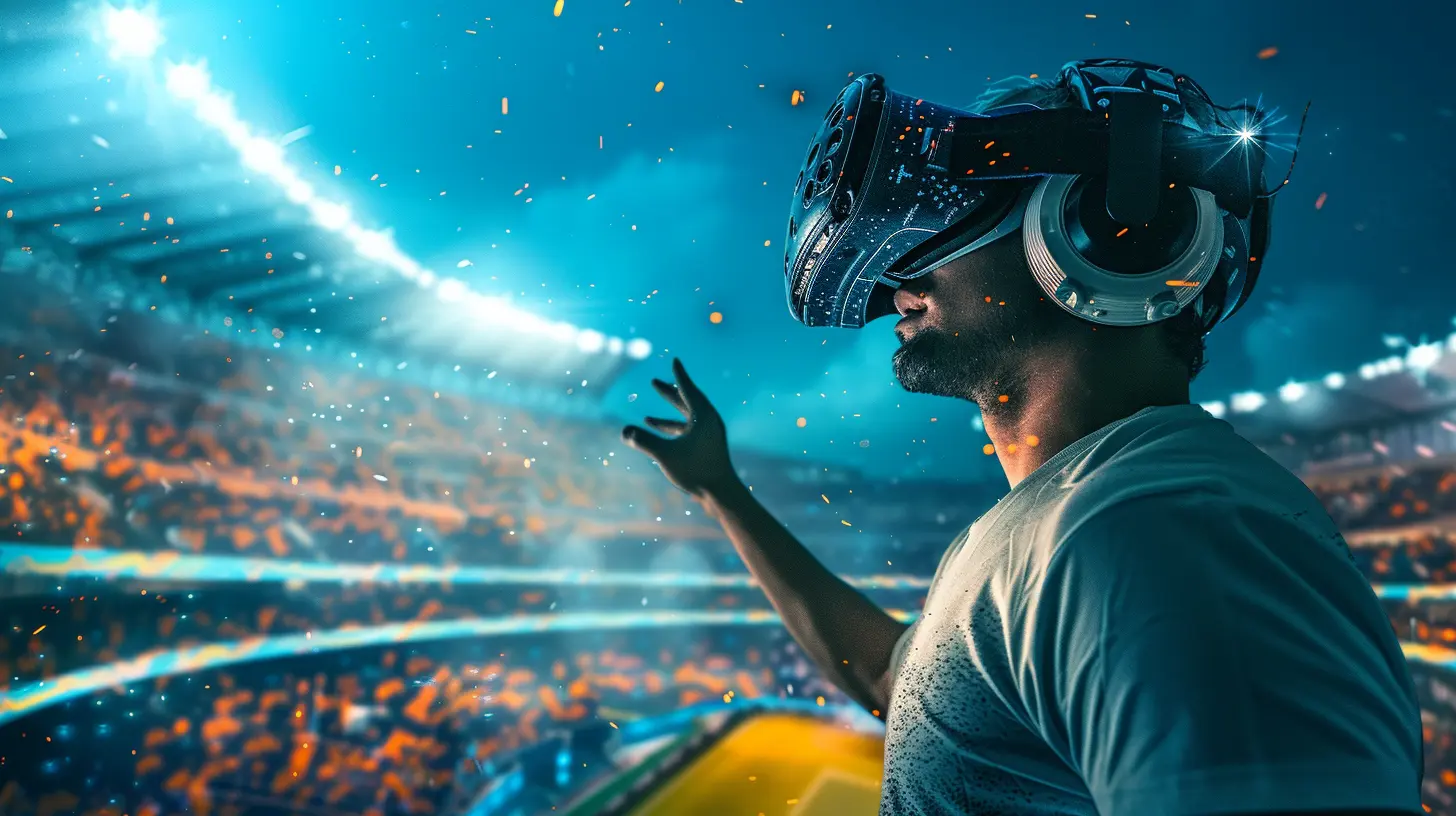
What Is Virtual Reality, Really?
Before we jump into the end zone, let’s start with the basics. Virtual Reality is a simulated experience that can be similar to or completely different from the real world. Using devices like VR headsets, users are transported into a 3D environment that they can explore and interact with. It's not just watching a game—it's being in the game.VR in sports isn’t just about the fans; it also has significant applications in training, broadcasting, and marketing. But today, we’re focusing on how it’s changing the fan side of the equation.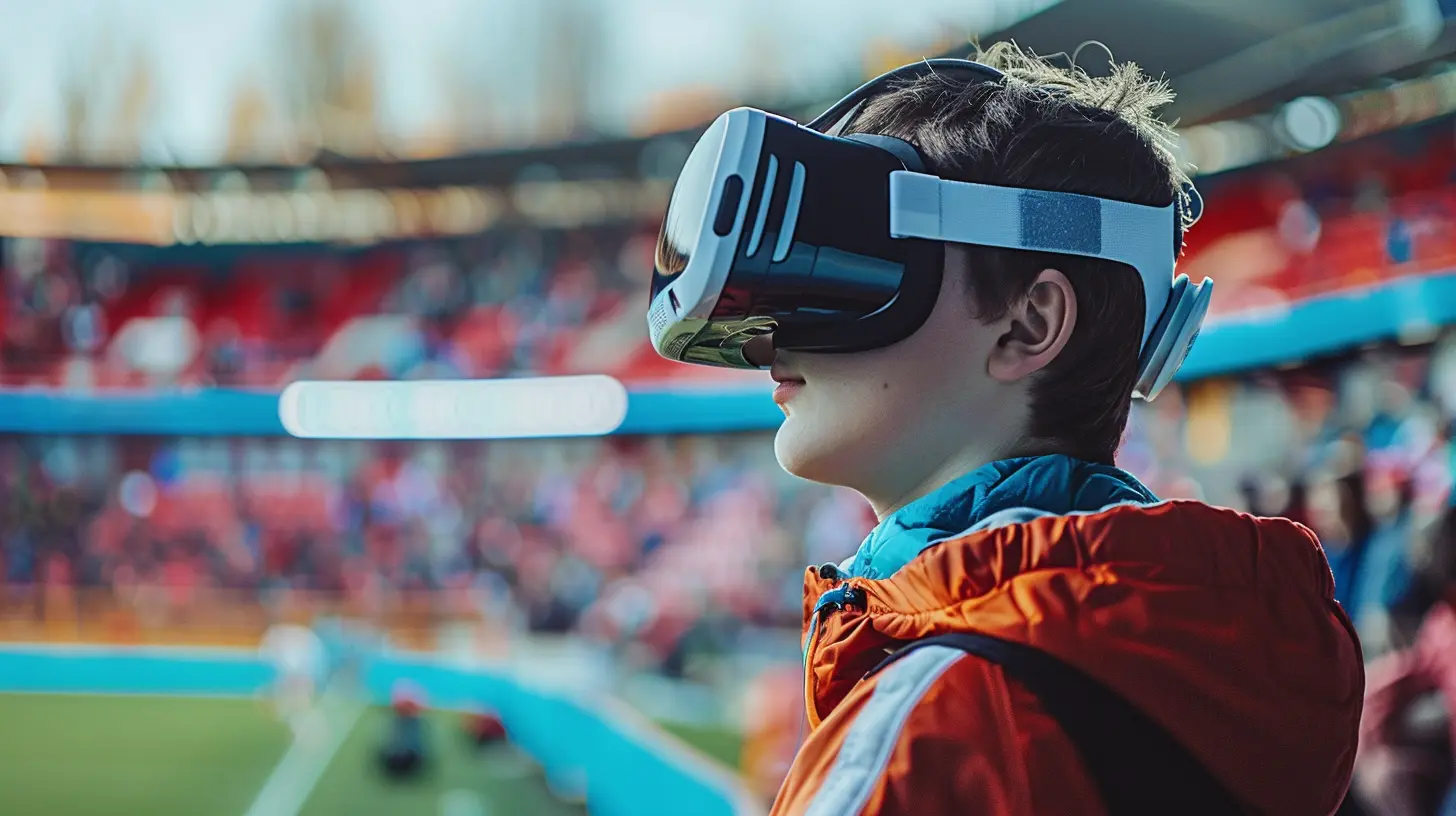
The Shift From Passive to Active Viewing
Let’s be honest—watching sports on TV is great, but there's something magical about being in the stadium. The roar of the crowd, the energy, the live moments—you just can’t completely replicate that on a flat screen.Or can you?
Enter VR Stadiums
With VR, fans are no longer just passive viewers. They can attend games in virtual stadiums, choose any seat in the house (even the ultra-expensive VIP ones), and get a 360-degree view of the action. Some platforms even let you switch perspectives—from behind the goal post to being right next to the coach.Real-Time Interactivity
Imagine watching a soccer match and being able to click on a player to see their real-time stats. Or maybe you want to rewind a play and see it from the referee’s point of view. With VR, this level of interactivity isn’t just possible—it’s becoming the new norm.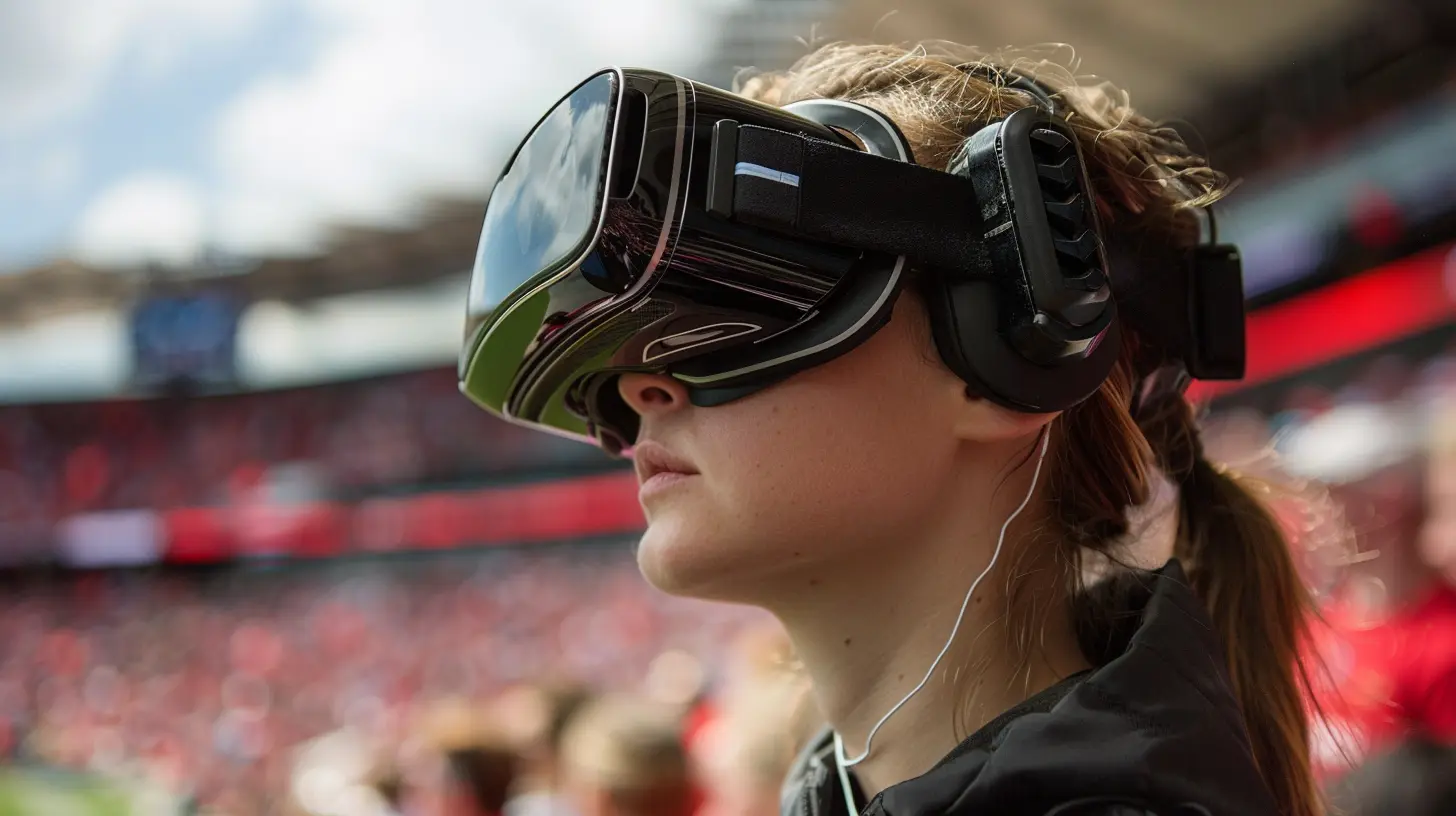
Major Leagues Already Embracing VR
This isn’t just some tech nerd fantasy. Major sports leagues are already diving headfirst into VR.NBA
The NBA has been one of the pioneers in bringing VR to fans. Through apps like NBA League Pass VR, users can watch live games with a headset and experience the game from multiple virtual camera angles. It’s not just watching—it’s immersing.NFL
While the NFL uses VR primarily for training, they’ve also experimented with VR highlights and immersive content for fans. Imagine reliving the Super Bowl halftime show in 360-degree splendor. Yup, that’s a thing.FIFA and Virtual Reality
FIFA and several soccer leagues have tested VR broadcasts during World Cup events and exhibitions. VR allows fans across the globe to feel like they’re in the stadium, even if they’re thousands of miles away.
Why Virtual Reality Is A Game-Changer for Fan Engagement
Let’s break down why VR is such a big deal for sports fans.Ultimate Accessibility
Not everyone can afford a ticket to the Super Bowl or travel halfway across the world to watch their favorite team play. VR breaks down those barriers. All you need is a headset and Wi-Fi, and boom—you’re there.Creating Deeper Emotional Connections
VR doesn’t just show you the game; it makes you feel it. You're closer to the players, the emotions, the sweat on their brows. This emotional immersion creates a stronger bond between fans and their teams.Personalized Viewing Experience
You can choose how you want to watch—front row, from the skybox, or even from the sidelines. Some platforms let you toggle stats, replays, commentary, or even social feeds. It’s like building your own tailor-made sports experience.Social VR – Watch Together, Even When Apart
Miss watching games with your crew? Social VR platforms allow you to watch games with friends in a shared virtual space. You hang out, chat, high-five, and even wear your team’s jersey—it’s like a virtual sports bar without the overpriced beer.VR and Fantasy Sports – A Match Made in Tech Heaven
Fantasy leagues could get a major upgrade thanks to VR. Instead of just tracking scores on an app, imagine entering a virtual locker room, managing your fantasy team in real-time, interacting with virtual versions of your players, and strategizing based on live game dynamics.Yes, it’s as cool as it sounds.
The Future: What’s Next for VR in Sports?
Alright, so where is all of this heading?Hyper-Personalized Engagement
As AI and VR continue to merge, fans might soon get predictive insights—like when their favorite player is likely to be subbed in or which team has a strategic edge based on real-time data.Integrated Augmented Reality (AR)
Eventually, we might blend VR with AR, making use of smart glasses that show live stats, player bios, and more while watching a physical game in person. Fans could switch from watching in the stadium to an immersive VR mode with a blink.Monetization Through NFTs & VR Collectibles
Team merchandise? Try virtual merchandise. Fans could earn, buy, or trade digital collectibles in VR spaces—everything from team jerseys to limited-edition moments. Think NFTs come to life.The Challenges Ahead (Yep, There Are a Few)
Okay, let’s keep it real. VR in sports isn’t without its hurdles.Cost and Accessibility
High-end VR headsets aren’t exactly cheap. And let's not forget you need a decent internet connection and a little technical know-how. For now, that creates a gap between casual fans and tech-savvy early adopters.Tech Glitches & Motion Sickness
VR still has some growing pains. If you’ve ever used a clunky headset or felt dizzy after a VR session, you know what I’m talking about. Lag, poor graphics, and motion sickness are real issues.Content Production
Filming a game for VR isn’t the same as regular broadcasting. It requires special cameras, software, and know-how. Not every league has the budget or resources to make that happen—yet.How Teams and Brands Can Capitalize on VR
For sports organizations and brands, VR offers a treasure trove of marketing and engagement opportunities.Branded VR Experiences
Imagine stepping into a VR experience sponsored by Nike, where you train like Cristiano Ronaldo or dunk like LeBron James. These branded interactions can create powerful emotional ties with fans.Virtual Ticketing & Exclusive Access
Sell virtual seats, VIP meet-and-greets in VR, or behind-the-scenes footage. It’s a new revenue stream that doesn’t require selling physical space—just creative experiences.Fan Data & Analytics
VR platforms collect lots of data—where fans look, what they interact with, how long they stay. This data goldmine helps teams tailor marketing and engagement strategies down to an art.How You Can Jump On the VR Bandwagon
So you're intrigued (and who wouldn’t be)? Here’s how you can start enjoying sports through VR:1. Get the Gear: Start simple. Google Cardboard is cheap and works with your phone. Upgrade to Oculus Quest or PlayStation VR for a richer experience.
2. Download VR Sports Apps: Check out apps like NextVR (now part of Apple), NBA VR, or Fox Sports VR. Many are free or have affordable subscriptions.
3. Join a Community: Look for sports VR groups on Reddit, Discord, or Facebook. Sharing the experience makes it even better.
Final Whistle
Virtual Reality isn’t just a flashy tech trend—it’s set to become a cornerstone of how we engage with sports. It brings the magic of live games into our homes, connects fans from all over the world, and builds a deeper, more interactive relationship with the teams and players we love.So the next time you think about watching the big game, ask yourself—why just watch when you can be there?
all images in this post were generated using AI tools
Category:
Fan EngagementAuthor:

Everett Davis
Discussion
rate this article
2 comments
Verity Mendez
Virtual reality is changing the game for fans. Imagine experiencing every play from the best seat in the house, or even stepping onto the field with your favorite players. It's an exciting time for sports lovers. Technology is bringing us closer to the action in ways we never thought possible.
September 14, 2026 at 3:53 AM
Ashira Monroe
Exciting possibilities for fans ahead...
May 26, 2026 at 11:26 AM
Everett Davis
Absolutely! The potential for immersive experiences is truly game-changing for fans.