College Sports and the Fight for Gender Equality
24 March 2026
Alright, let's face it—college sports are kinda a big deal. From roaring stadiums to full-on tailgate parties, it's a culture, a lifestyle, and for some, the dream. But there's an elephant in the locker room we need to talk about: gender equality.
Yep, even in 2024, women in college sports are still battling for the same resources, opportunities, and recognition that their male counterparts, often effortlessly, enjoy. It's like preparing for game day without cleats—good luck with that.
So, grab your foam fingers and favorite team hoodie, folks. We're diving into the rollercoaster that is college sports and the fight for gender equality.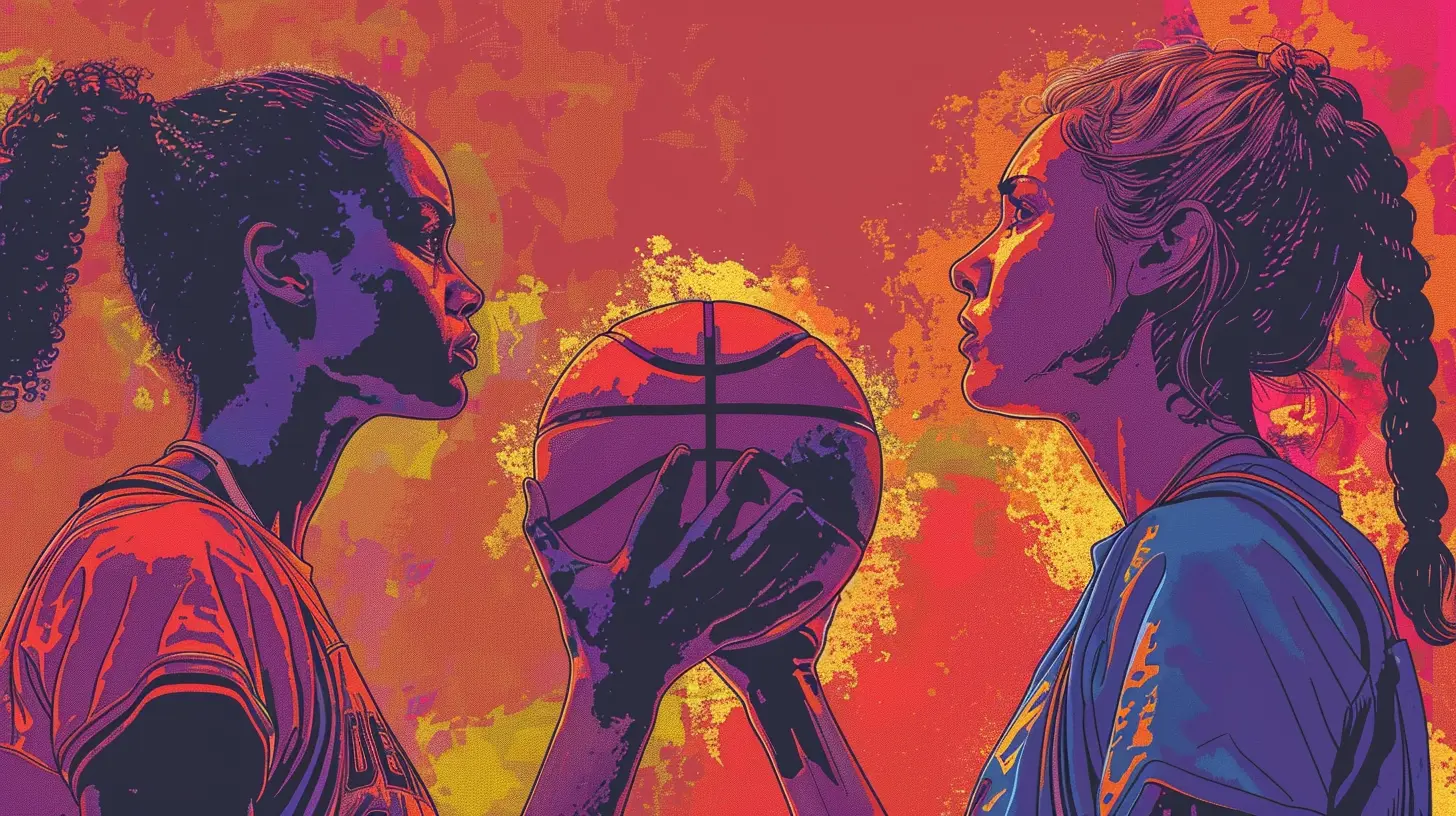
A Tale of Two Locker Rooms
Let’s rewind a bit. College sports in the United States really kicked off in a big way post-World War II. Think marching bands, pep rallies, and a whole lot of male athletes scoring touchdowns and sinking game-winning three-pointers. Women? Well, they were mostly on the sidelines—literally.Fast forward to 1972, cue the dramatic music—Title IX enters the scene. For those who snoozed through history class, Title IX is a federal civil rights law that bans sex-based discrimination in any school or education program that receives federal funding. Simple, right?
Kind of. While it opened doors for female athletes, things haven’t exactly been equal since the starting whistle. The playing field's still tilted.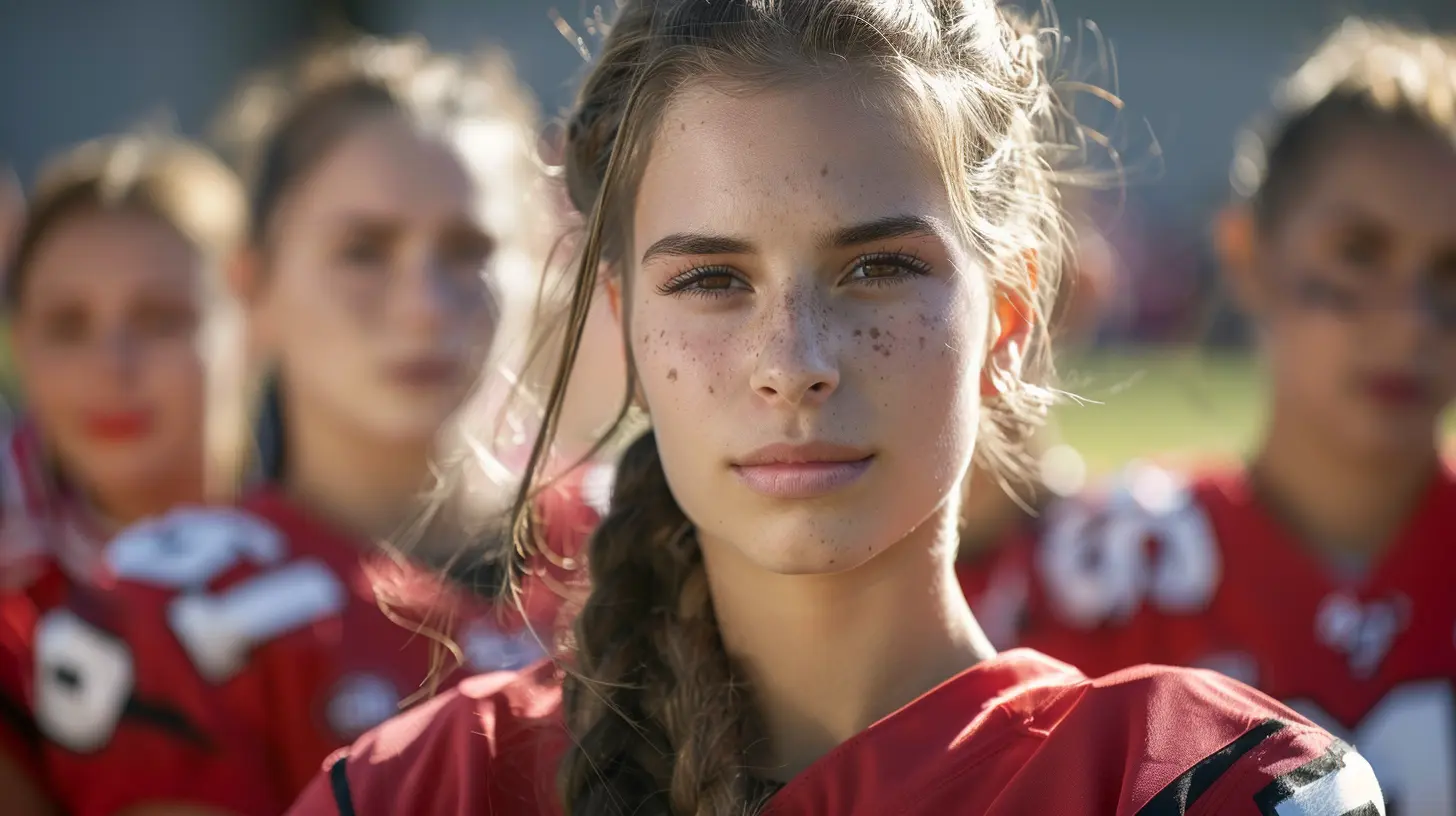
Title IX: Game-Changer or Just a Warm-up?
Title IX was like the halftime locker room speech that lights a fire under the team. It pushed schools to actually include women in college athletics. Suddenly, women had access to scholarships, coaches, uniforms, and gasp practice facilities.But here’s the kicker—implementation has been all over the place. Some schools embraced it like a surprise win, while others dragged their feet like a busted ankle.
Not-so-fun fact: Even today, many schools are technically in violation of Title IX. Resources, funding, and media attention? Still wildly lopsided.
The Numbers Don’t Lie (But They Might Make You Gasp)
Let’s break it down with some stats that might just make you spit out your Gatorade:- Men’s programs tend to receive about 60-70% of total college athletics funding.
- Women receive less than half the number of athletic scholarships awarded to men in certain sports.
- In televised coverage? Women’s college sports get less than 5% of the screen time.
That’s not just a minor setback—that’s a full-blown 0–50 blowout.
Media Attention: Where Are the Cameras?
Ever try flipping through sports channels during March Madness? It’s like wall-to-wall men's games. You’d think the women’s tournament was a minor league exhibition in comparison. Spoiler: it's not.Women’s sports are exciting, competitive, and full of jaw-dropping highlight reels. So why aren’t they on TV more? Because media networks still think men’s sports bring in more viewers. It’s the classic chicken-or-egg situation. No coverage? No fans. No fans? No incentive to cover.
But we know what happens when women’s sports actually get the spotlight. Did you see the ratings for the NCAA Women’s Basketball Championship in recent years? Record-breaking. So yeah, there’s demand out there—it just needs a louder microphone.
Facilities, Gear, and the Weight Room Debacle
Remember the viral TikToks exposing the absurdly unequal weight rooms during the 2021 NCAA basketball tournament? While men had spacious gyms and equipment that looked like a fitness influencer’s dream, the women’s teams were given a few yoga mats and a couple of dumbbells. Seriously.That debacle wasn’t just an isolated mistake—it was a peek behind the curtain. Across the board, women’s college sports operate with fewer resources. Whether it’s training staff, locker rooms, travel accommodations, or even just meal budgets, the playing field is far from even.
Coaching and Leadership: Still a Boys’ Club?
Get this—when Title IX was enacted, around 90% of women’s sports teams were coached by women. Today? That number has dropped to about 40%.Wait, what?
Yep, as college sports became more lucrative and respected, male coaches flocked to women’s teams. Not necessarily a bad thing in theory—but it’s left women underrepresented in leadership roles in their own sports.
And let's not forget about athletic directors and high-ranking administrators. These positions are still largely dominated by men, which only reinforces the cycle of unequal resource distribution.
Pay Gaps: Even in College Coaching
While student-athletes don’t (yet) get traditional salaries, coaches definitely do—and the pay disparity is jaw-dropping.For example, a women’s basketball coach at a D1 school often earns significantly less than the men’s coach, even if their win-loss record is better or attendance is higher. It’s like rewarding someone with a pizza party while the other guy gets a steak dinner and a bonus check—just because.
NIL Deals: Leveling the Field or Making It Worse?
Ah, the shiny new world of Name, Image, and Likeness (NIL) deals. Finally, student-athletes can make some coin off endorsements, social media, and personalized merch. Seems like an equalizer, right?Yes and no.
Top male athletes from football and basketball have snagged massive deals, no surprise there. But don’t count the ladies out—social media savants like LSU’s Olivia Dunne have shown that female athletes can dominate the NIL game.
Still, questions remain: Are brands valuing athletic achievement, or Instagram aesthetics? And are female athletes being supported by their schools in navigating the endorsement world just as much as males are?
The Role of Fans (Yep, That’s You)
Here’s a curveball—fans play a huge part in this too. If we only buy tickets to men’s games, only follow male athletes on socials, and only wear jerseys with the names of guys who can dunk from the free-throw line, we're part of the problem.Supporting gender equality in college sports doesn’t mean turning your back on men’s games. It just means giving women’s sports the same energy. Same cheers. Same attention. Same respect.
You down?
Student Activism: Raising the Torch
College students haven’t sat quietly either. From holding universities accountable with Title IX complaints to launching social media movements demanding equality, today's athletes are speaking out.In fact, some powerhouse programs have used their platforms to create change not just on campus, but nationally. When leaders in sports speak up, people listen. Look at how the U.S. Women’s National Soccer Team inspired college athletes to fight for equity.
It’s not just about sports. It’s about fairness, dignity, and the right to compete on equal footing—literally.
So, What Now?
We've come a long way since the pre-Title IX days, but let's not pop the champagne just yet. Gender equality in college sports is still a game in progress. It’s not a sprint, or even a marathon—it’s more like a relay race. Everyone’s got a baton to carry.From administrators to fans, from media execs to brand sponsors, and yes—even us humble blog readers—we all have roles to play.
So next time someone says sports don’t matter? Remind them they’re more than just games. They’re arenas where battles for justice, identity, and equity are fought every single day.
And hopefully, someday soon, we won’t just be fighting for gender equality in college sports—we’ll be celebrating that we actually achieved it.
Pass the Gatorade. We’ve still got work to do.
all images in this post were generated using AI tools
Category:
College SportsAuthor:

Everett Davis
Discussion
rate this article
2 comments
Brigitte Young
As the battle for gender equality in college sports intensifies, whispers of change echo through locker rooms. Who will emerge victorious in this pivotal clash of tradition and progress?
March 31, 2026 at 12:52 PM
Everett Davis
The future of college sports hinges on our commitment to equality; progress is possible, but it requires collective action and unwavering support.
Veda McCord
Progress is slow, but voices for equality matter.
March 27, 2026 at 5:25 AM
Everett Davis
Thank you for your insight! Every voice contributes to the ongoing journey toward equality in college sports. Your support is vital.