Fan Engagement Through Nostalgia: Tapping Into the Past for Future Success
28 February 2026
Sports have a unique way of connecting generations. Whether it's an unforgettable championship win, a legendary player, or a historic moment etched in the minds of fans, nostalgia has a powerful grip on the sports world. Teams, leagues, and brands increasingly recognize the value of looking back to move forward. But how exactly does nostalgia fuel fan engagement? And how can sports organizations use this emotional connection to build future success?
Let's dive into the magic of nostalgia and explore why it's one of the most effective tools for fan engagement.

Why Nostalgia Works in Sports
Have you ever heard a song from your childhood and instantly remembered where you were? Or maybe you found an old jersey in your closet and suddenly felt that same excitement from years ago? That's nostalgia—a deep emotional connection to the past.Here’s why it works so well in sports:
- It rekindles emotions. Fans associate teams and players with specific moments in their lives. Tapping into those memories brings back the joy, pride, and excitement they once felt.
- It strengthens loyalty. When fans are reminded of their connection to a team’s history, they’re more likely to stay engaged and committed.
- It builds bridges across generations. Parents and grandparents pass down their love for a team, bonding with younger generations through shared experiences.
Now, let’s take a look at how sports teams successfully use nostalgia to boost fan engagement.
Leveraging Nostalgia in Sports Marketing
1. Throwback Jerseys and Retro Merch
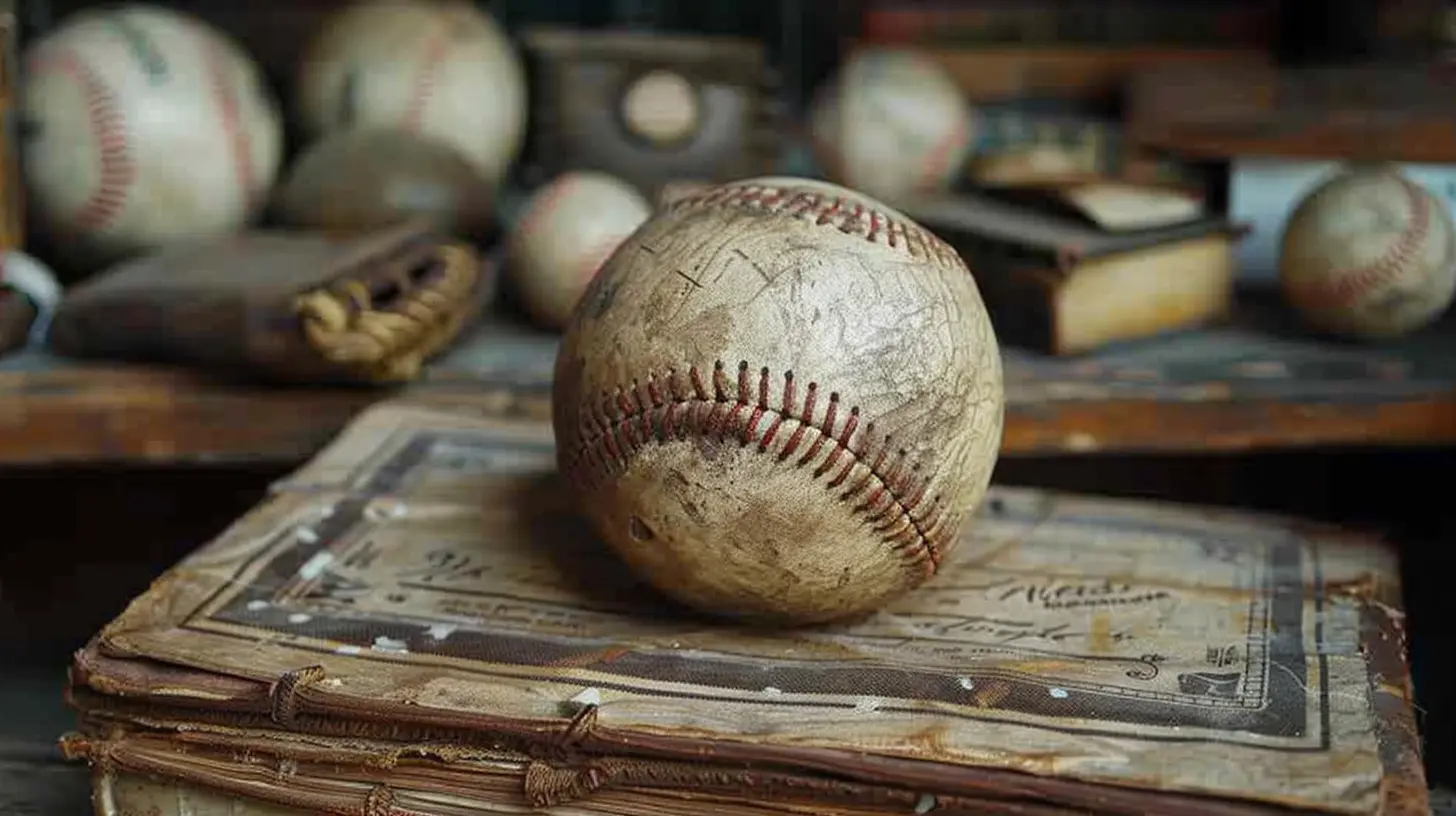
One of the easiest and most effective ways to stir up nostalgia is through retro merchandise.Think about how excited fans get when their favorite team re-releases a jersey from the '90s or even earlier. Throwback designs remind them of iconic moments and legendary players. Plus, younger fans who didn’t experience those eras firsthand love sporting vintage apparel to feel connected to the team’s past.
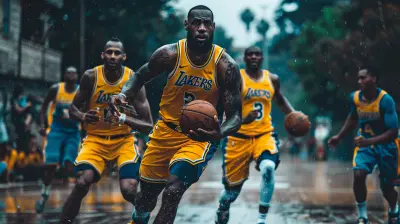
Teams like the Los Angeles Lakers and Chicago Bulls frequently bring back classic jerseys, giving longtime supporters a reason to celebrate and new fans a fresh way to connect.
2. Celebrating Past Legends
Every team has players who shaped its history. Honoring those legends not only pays tribute to their contributions but also strengthens the emotional bond between the team and its fans.- Hall of Fame inductions
- Jersey retirements
- Milestone anniversaries
These events become must-watch moments, drawing in both older fans who remember those players in action and younger fans who want to learn more about their team’s history.
3. Recreating Iconic Moments
Imagine being able to relive a game-winning shot, a miracle comeback, or an unforgettable championship celebration. With advancements in technology, sports teams can bring iconic moments back to life through video content, social media highlights, and even virtual reality experiences.Teams like Manchester United and the Boston Red Sox frequently share classic game footage on their official channels, sparking conversations and rekindling emotions among fans.
4. Nostalgic Social Media Campaigns
Social media has become a playground for nostalgia-driven engagement. Teams and brands can post throwback photos, highlights, and fan-favorite memories to get people talking.Popular formats include:
- #ThrowbackThursday posts featuring classic games and legendary players.
- Fan polls asking which past team or player was the greatest.
- Engagement-driven questions like, "Where were you when [legendary moment] happened?"
These simple yet effective social media tactics keep the past alive while creating new conversations.
5. Bringing Back Classic Rivalries
Few things stir up passion like a historic rivalry. When teams revisit classic matchups, it reignites the fire between fan bases.Leagues often use “Retro Nights” or “Classic Matchups” to embrace heated rivalries from the past. Think of teams like the Celtics vs. Lakers or Real Madrid vs. Barcelona—historic duels that never lose their appeal.
6. Documentaries and Storytelling
In the age of streaming, sports documentaries have become a massive success. Series like The Last Dance (Michael Jordan’s story) or 30 for 30 bring history to life, allowing younger fans to experience moments they missed while giving older fans a chance to relive the glory days.Teams and leagues can leverage this approach through:
- Behind-the-scenes documentaries
- Interviews with former players
- In-depth storytelling about defining moments
The emotional pull of these narratives keeps fans deeply connected to their favorite teams and heroes.

The Business Impact of Nostalgia on Fan Engagement
Nostalgia isn’t just good for fan connections—it’s also great for business.When teams and brands successfully tap into the past, they:
- Increase merchandise sales. Retro jerseys, hats, and collectibles are always in high demand.
- Drive higher engagement on social media. Nostalgic content gets more likes, shares, and comments.
- Boost ticket sales for themed events. Throwback nights and classic rivalries draw massive crowds.
- Strengthen brand loyalty. Fans who feel emotionally attached to the past are more likely to stay dedicated in the future.
At its core, nostalgia is a win-win for both fans and sports organizations.
The Future of Nostalgia in Sports
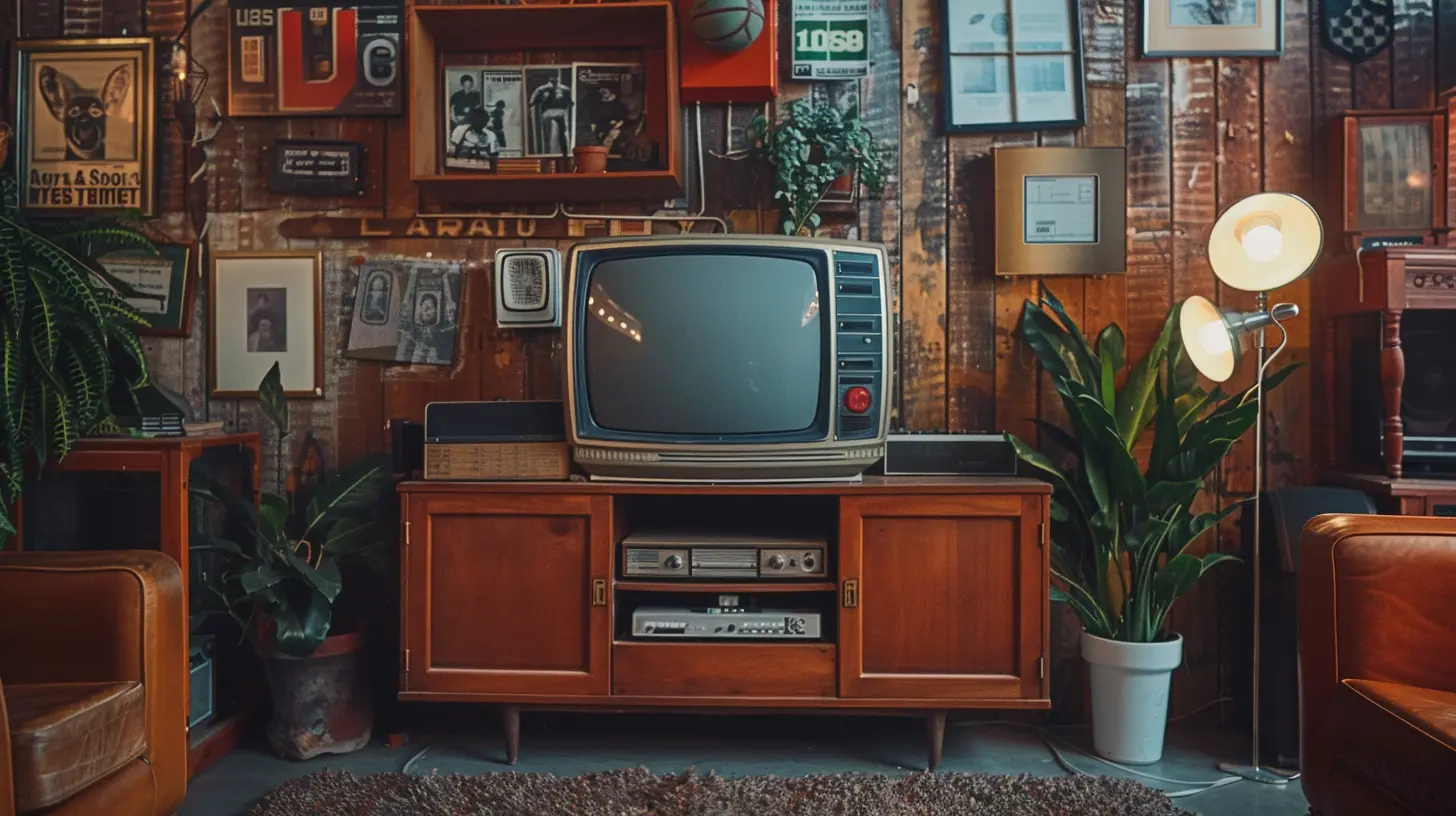
As technology evolves, opportunities to capitalize on nostalgia will only grow. Imagine:- Virtual reality experiences where you can "be" at legendary games.
- AI-powered recreations of past players in modern settings.
- NFTs and digital collectibles capturing iconic moments in sports history.
The potential is endless, and teams that continue to embrace nostalgia will strengthen their fan base for generations to come.
Conclusion
Nostalgia is more than just a trip down memory lane—it’s a powerful tool for fan engagement. By celebrating the past, sports teams and organizations can create stronger bonds with their audience, boost revenue, and ensure future success.So, whether it’s a classic jersey, a throwback video, or a legendary rivalry renewed, never underestimate the power of reliving the magic of sports history. Because sometimes, looking back is the best way to move forward.
all images in this post were generated using AI tools
Category:
Fan EngagementAuthor:

Everett Davis
Discussion
rate this article
2 comments
Declan Murphy
Great insights! Nostalgia truly connects fans to their teams, fostering loyalty and passion that can drive future success. Love this perspective!
March 24, 2026 at 12:13 PM
Everett Davis
Thanks for your kind words! Nostalgia really does have a unique power to deepen that fan connection. Glad you enjoyed the perspective!
Grant Shaffer
Nostalgia is a powerful tool in sports, breathing life into our cherished memories and forging deeper connections. By embracing the past, teams can inspire loyalty, unity, and passion among fans. Let’s celebrate our history to build a brighter future together in sports!
March 1, 2026 at 4:26 AM
Everett Davis
Absolutely! Nostalgia fosters strong bonds between fans and teams, enhancing loyalty and unity. Celebrating our history is essential for inspiring future success in sports.