Fitness Gadgets and Wearables: Do You Really Need Them?
24 December 2025
Let’s be honest—buying fitness gadgets can feel like stocking up on superhero gear. You strap on a smartwatch, throw on some high-tech running shoes, and boom!—suddenly you look like you're training for the Olympics.
But here's the million-dollar question: Do you actually need all these fancy fitness wearables, or are they just expensive wrist accessories that make you feel guilty every time you ignore their notifications?
Let's break it down with some humor, logic, and probably a little self-reflection on whether these gadgets are helping or just collecting dust in your drawer next to that gym membership card you never use.
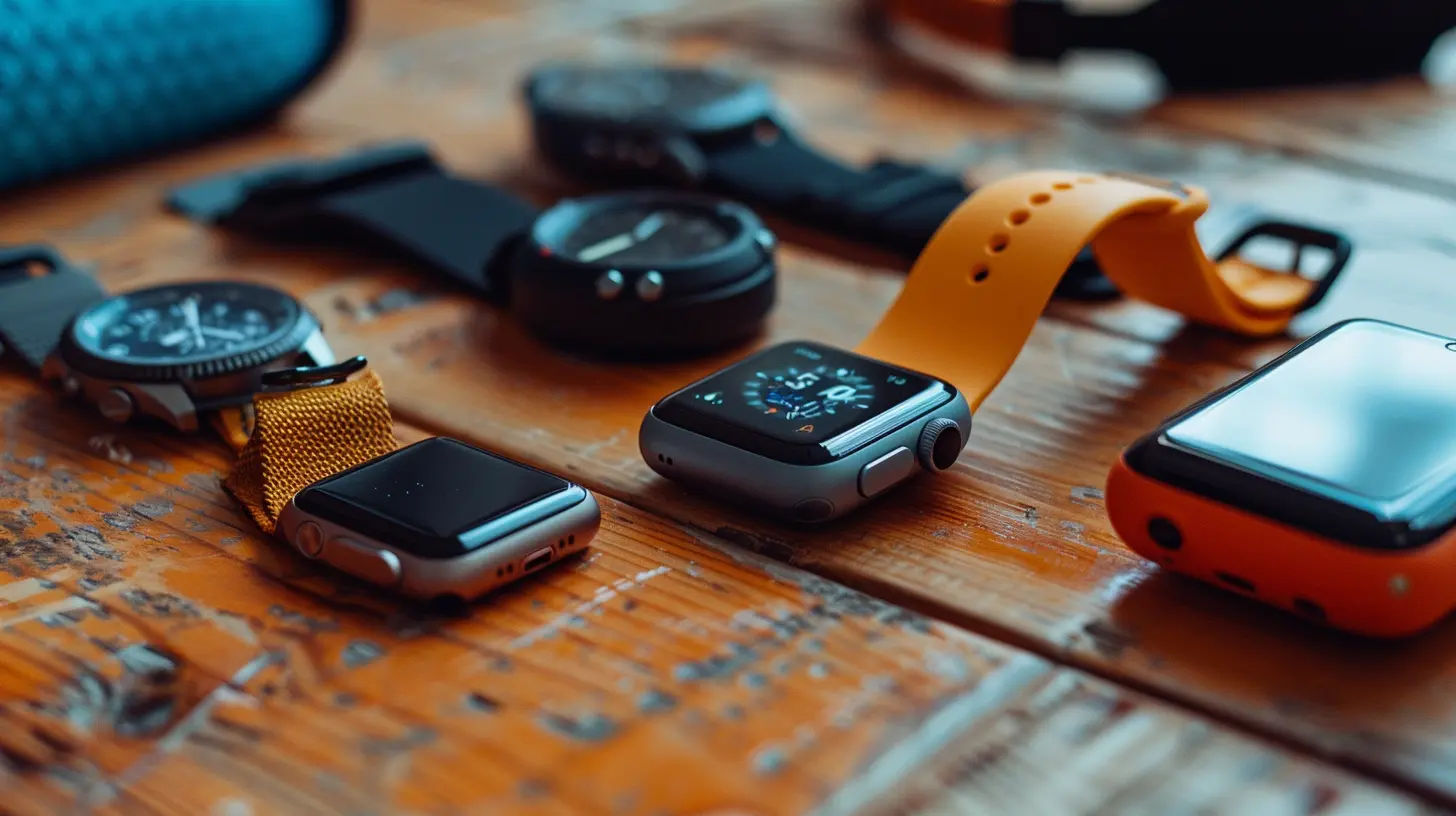
The Rise of Fitness Gadgets: Hype or Game-Changer?
Fitness tech has exploded in recent years. From Fitbits to Apple Watches, smart rings to heart rate monitors, the industry is booming with gadgets promising to track, analyze, and optimize your workouts.They claim to do everything but physically drag you to the gym—and let's be honest, that’s the feature we actually need.
But are they making us healthier, or are we just obsessed with tracking every heartbeat like we’re undercover FBI agents monitoring our own existence?
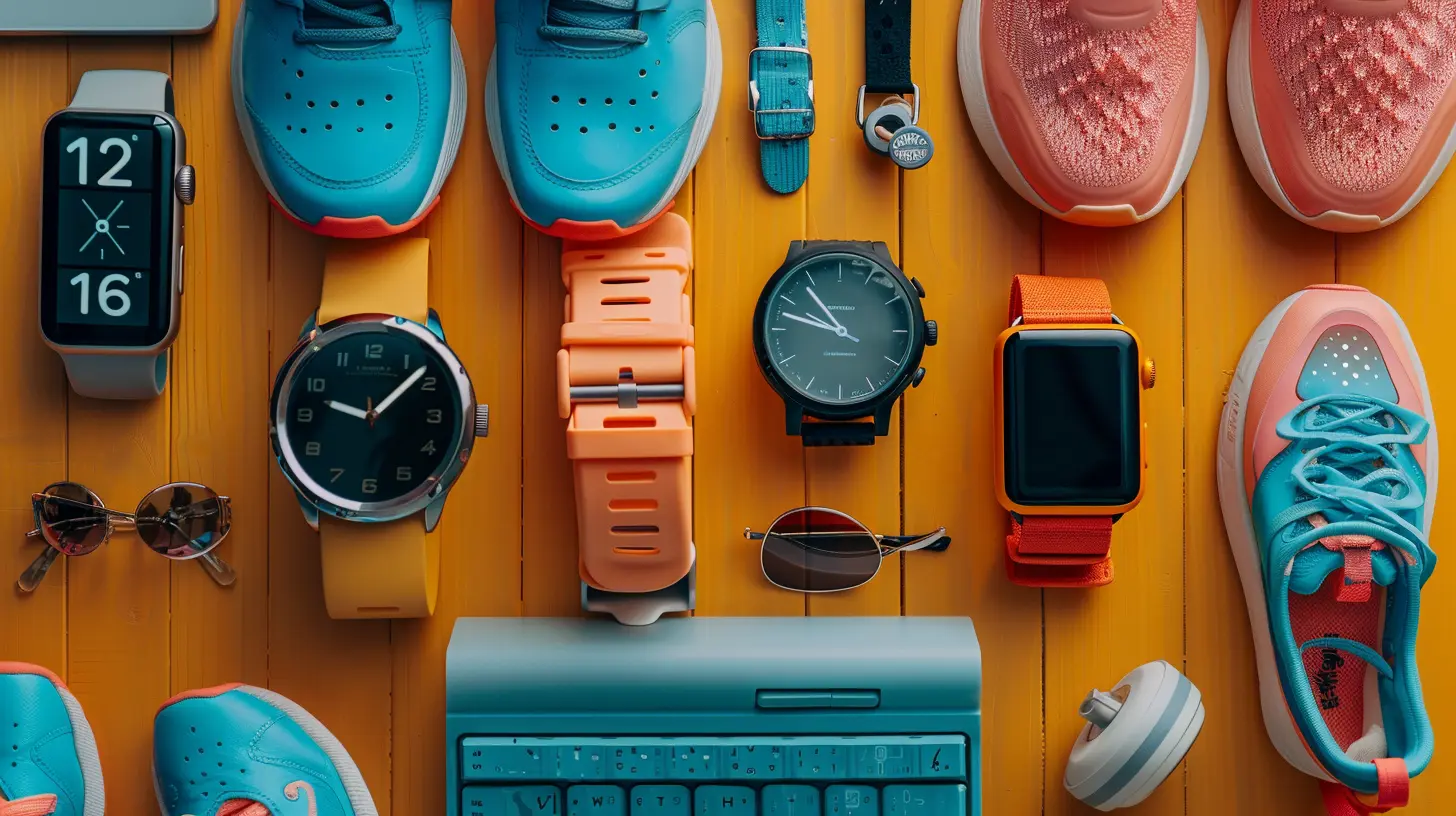
The Pros of Fitness Wearables
Alright, let's give these gadgets their moment in the spotlight. They do come with some solid benefits, especially if you're someone who enjoys numbers, charts, and knowing exactly how many steps you've taken since breakfast.1. Accountability & Motivation
Ever told yourself you’d go for a run, only to end up on the couch watching Netflix with a bag of chips? These devices nudge (read: annoy) you to get moving. A smartwatch might remind you, "Hey, buddy, maybe stretch those legs before becoming one with the sofa?"It’s like having a tiny, judgmental personal trainer on your wrist.
2. Tracking Progress Like a Boss
Remember when people just guessed how far they ran? Yeah, me neither. Now, we have GPS trackers, heart rate monitors, and even oxygen saturation sensors telling us exactly how our body is feeling.Because nothing says "I’m crushing this workout" like knowing your VO2 max compared to elite marathon runners.
3. Better Sleep Monitoring
Many fitness wearables track sleep patterns. They tell you when you went to bed, when you woke up, and how often you tossed and turned like a rotisserie chicken.The downside? You now have scientific proof that your sleep habits are terrible.
4. Heart Rate & Health Monitoring
Some devices can even alert you to irregular heart rates or potential health concerns. It’s like having a mini doctor on your wrist—except this one won’t charge you for a consultation.5. Competitive Spirit
Many fitness trackers let you challenge your friends. Nothing fuels a workout quite like crushing Steve from accounting in the weekly step challenge.
The Downsides: Are Fitness Gadgets Just Fancy Tamagotchis?
Of course, no tech is perfect. Just like your first dumbbell purchase that’s now a doorstop, fitness gadgets aren't always worth the hype.1. They're Not Magic (You Still Have to Work Out)
A fitness tracker won't magically make you healthy. It tracks data—it doesn't burn calories for you. If wearing one tricked your body into getting fit, we’d all be walking around with six-packs.Some people spend more time customizing their tracker’s watch face than actually exercising. Sound familiar?
2. Data Overload Can Be Stressful
Analyzing every single step, calorie, and heartbeat can turn fitness into a math exam. Sometimes, it’s okay to just exercise for fun rather than obsess over numbers.Not every workout needs a pie chart, Janet.
3. Battery Life is a Pain
Just when you’re in the mood to work out (a rare miracle), your gadget decides it’s time for a three-hour charge.Now, you're sitting on the couch because "you can’t track it if your watch is dead," which is honestly the best excuse ever.
4. They Can Be Pricey
Some fitness wearables cost as much as a small vacation. If you’re spending $500 on a watch to tell you that you walked 3,000 steps today, maybe just save your money and go outside for a walk?5. Inaccuracies & Limitations
Not every fitness tracker is 100% accurate. Some overestimate calorie burn, while others underestimate your steps. Meanwhile, your grandma’s old pedometer swears she’s walking thirty miles a day.
So, Do You Really Need One?
Let’s get real—it depends.You probably should get one if:
✅ You love tracking data and need motivation.✅ You’re training for something serious (a marathon, Ironman, or just beating Steve in step challenges).
✅ You struggle with accountability and like reminders to move.
✅ You want to monitor health factors like heart rate and sleep.
You probably don’t need one if:
❌ You already exercise consistently without tech.❌ You get stressed by too much data.
❌ You’d rather spend money on actual fitness equipment.
❌ You’ll wear it for a week and then forget it exists.
At the end of the day, fitness gadgets are tools, not miracles. If they help you stay active, great! But if they just remind you that you should be moving while you're three episodes deep into a series binge, maybe just lace up your shoes and go for a walk—watch or no watch.
Because the real secret to fitness? Moving your body, tech or no tech.
all images in this post were generated using AI tools
Category:
FitnessAuthor:

Everett Davis
Discussion
rate this article
2 comments
Carmel McKay
“Fitness gadgets: the sparkling unicorns of the health world! Sure, they track your steps, but remember, even a broken clock is right twice a day. If you want results, just sweat it out—no gadgetry required. Fitness is a mindset, not a gadget parade! 💪✨”
January 23, 2026 at 1:03 PM
Everett Davis
While fitness gadgets can enhance your routine, the core of fitness is indeed a mindset and consistent effort. Use them as tools, but remember: true results come from dedication, not just data! 💪✨
Sarah Cannon
This article beautifully explores the balance between technology and personal fitness. While gadgets can enhance our journey, it's ultimately our dedication and passion for health that truly makes a difference. Thank you for this insightful read!
December 27, 2025 at 4:33 AM
Everett Davis
Thank you for your thoughtful comment! I completely agree—the right mindset and dedication are key to achieving fitness goals, even with the best gadgets.