The History of Cycling: From Early Inventions to Modern Races
3 February 2026
Let’s take a ride through time—on two wheels, of course. Cycling isn’t just a means of transportation or a fitness trend. It’s a story that’s been building speed since the early 19th century. From clunky wooden frames to aerodynamic carbon fiber machines, the history of cycling is an exciting journey full of innovation, obsession, and a touch of rebellion. So, hop on the saddle as we pedal through the fascinating evolution of the bicycle and the sport it gave birth to.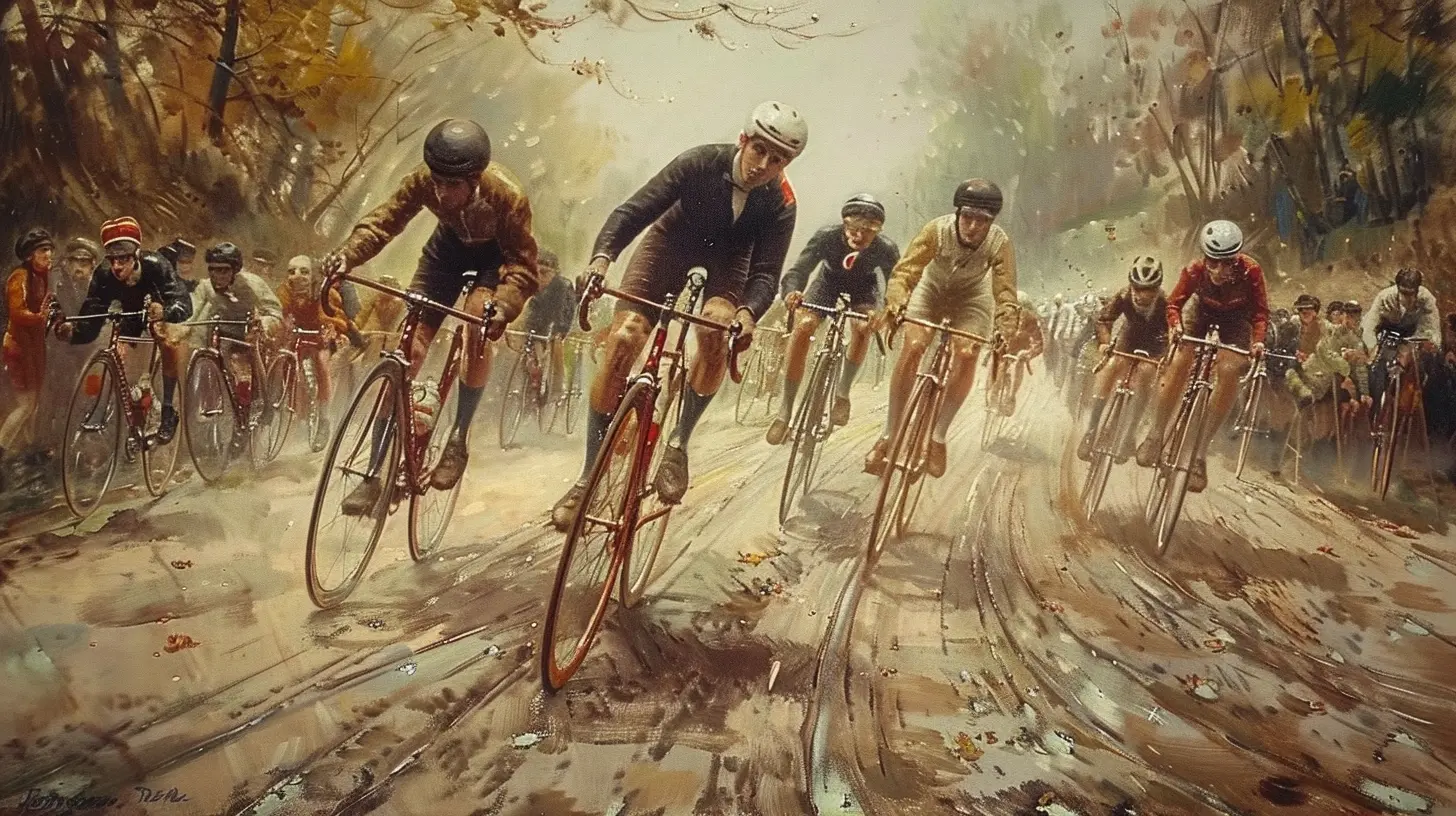
The Humble Beginnings: When Bikes Had No Pedals
Imagine this: it's 1817, and Baron Karl von Drais, a German inventor, is cruising around on a wooden contraption called the "laufmaschine." It looked like a bike but had no pedals. That’s right—no pedals, no chain, and definitely no comfy saddle. Riders literally had to push themselves along with their feet. It was more Flintstones than Tour de France.This early version, often nicknamed the "dandy horse," was made of wood, had iron-rimmed wheels, and was mostly used by aristocrats. It wasn’t exactly practical, but it was the first step—pun totally intended—toward the bikes we know and love today.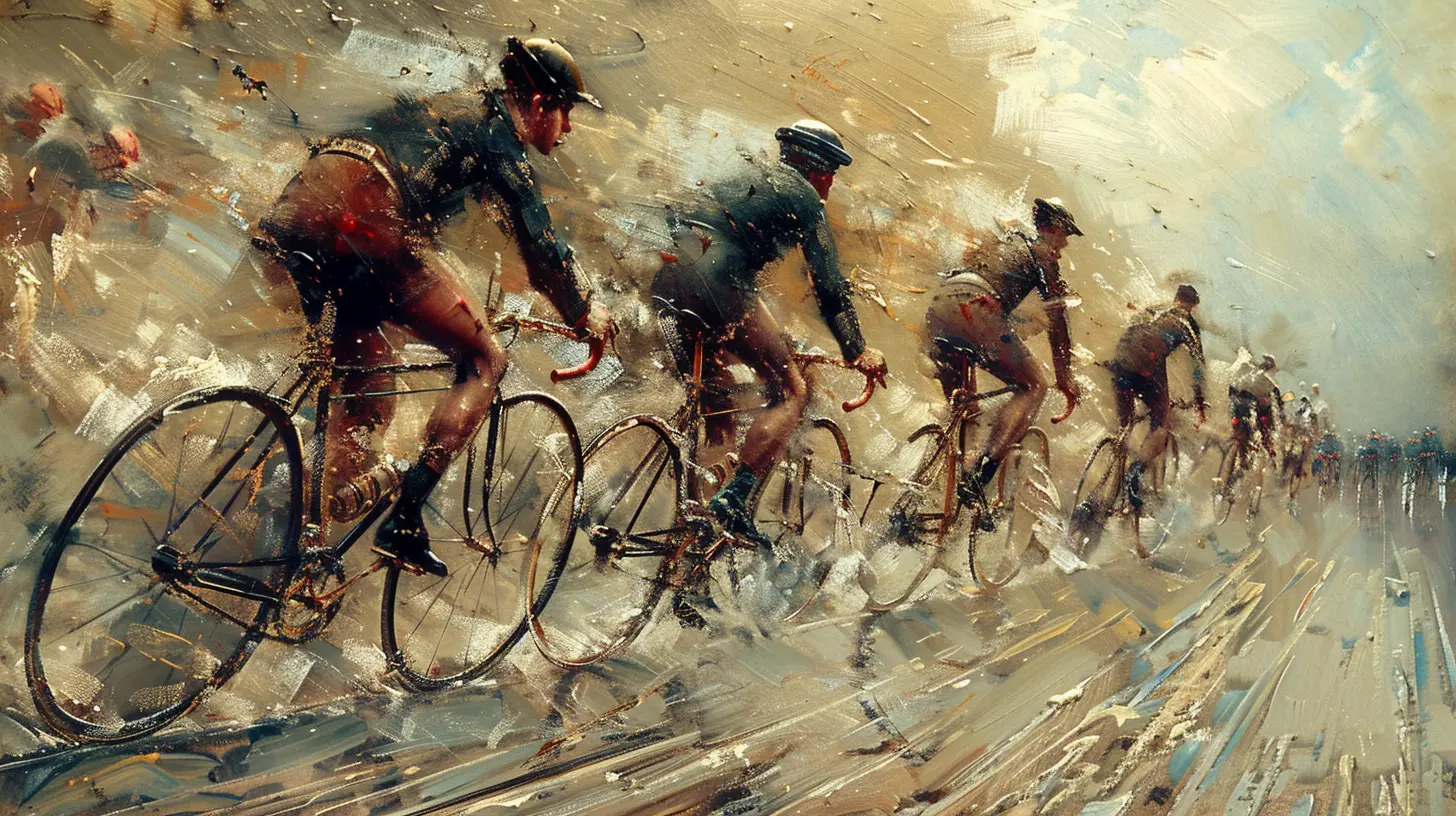
Pedaling Into the Scene: The Velocipede Era
Fast forward to the 1860s in France. Enter the velocipede, aka the “boneshaker.” This was the first real pedal-powered bicycle, thanks to Pierre Michaux and his son Ernest. Fun fact? The pedals were attached directly to the front wheel, which made for a bumpy, awkward ride on the rough cobblestone roads of the time.The frame was still metal and the wheels were still wooden with iron tires—hence the nickname, "boneshaker." But hey, progress is progress. People were starting to pedal now, and that was a pretty big deal.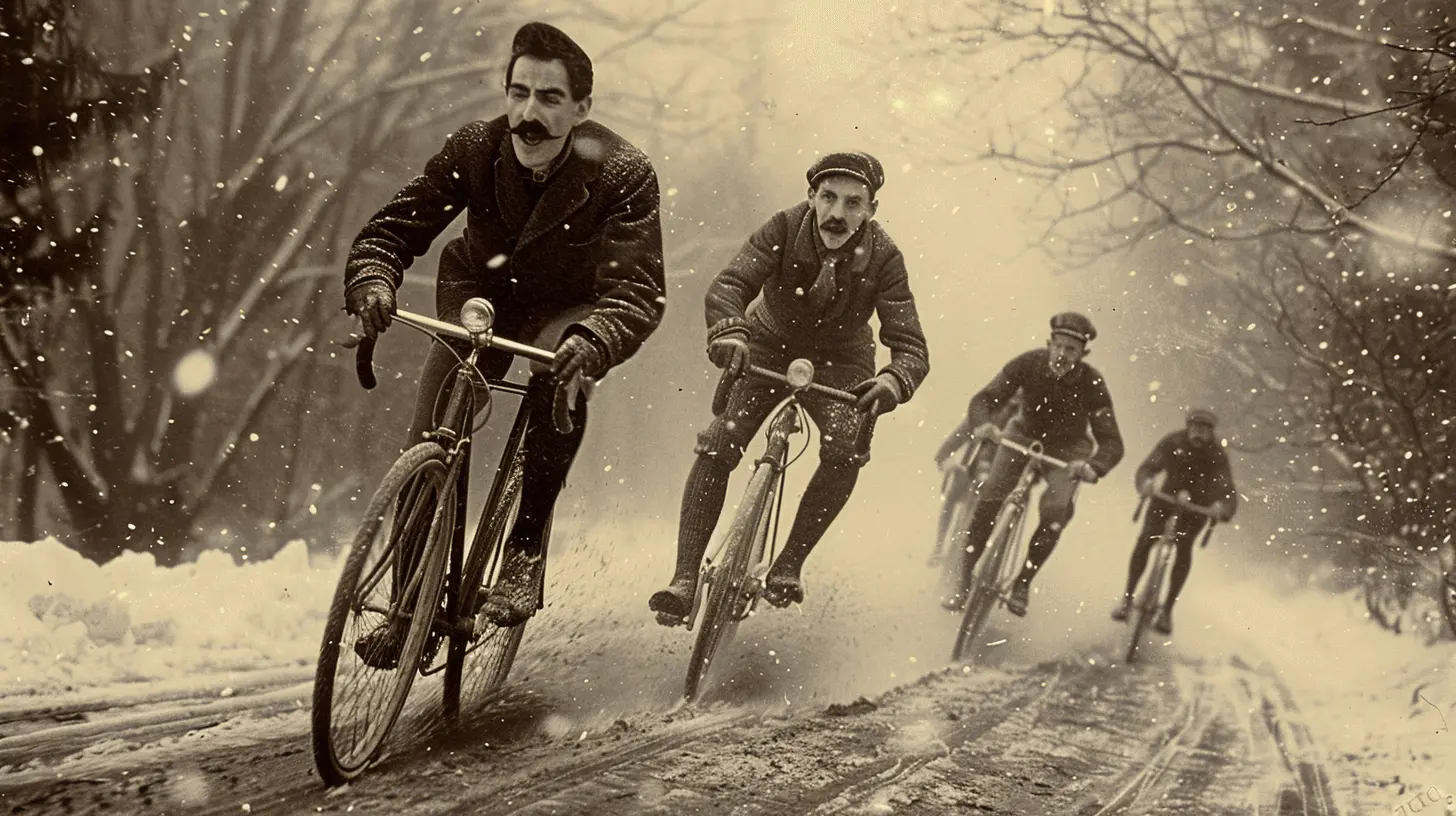
High-Wheelers and the Bicycle Boom
Ever seen those old-timey bikes with the huge front wheel and tiny back one? Those are called penny-farthings. They came along in the 1870s and were all the rage. Invented by British engineer James Starley, these bikes were sleek, fast, and well… a little dangerous. Falling off one was like tumbling off a second-story building.The design gave riders more speed with every pedal stroke, but balance was tricky. Still, they became fashionable among daring young men and helped fuel a full-blown cycling craze. There were even organized races and cycling clubs forming as early as the 1880s.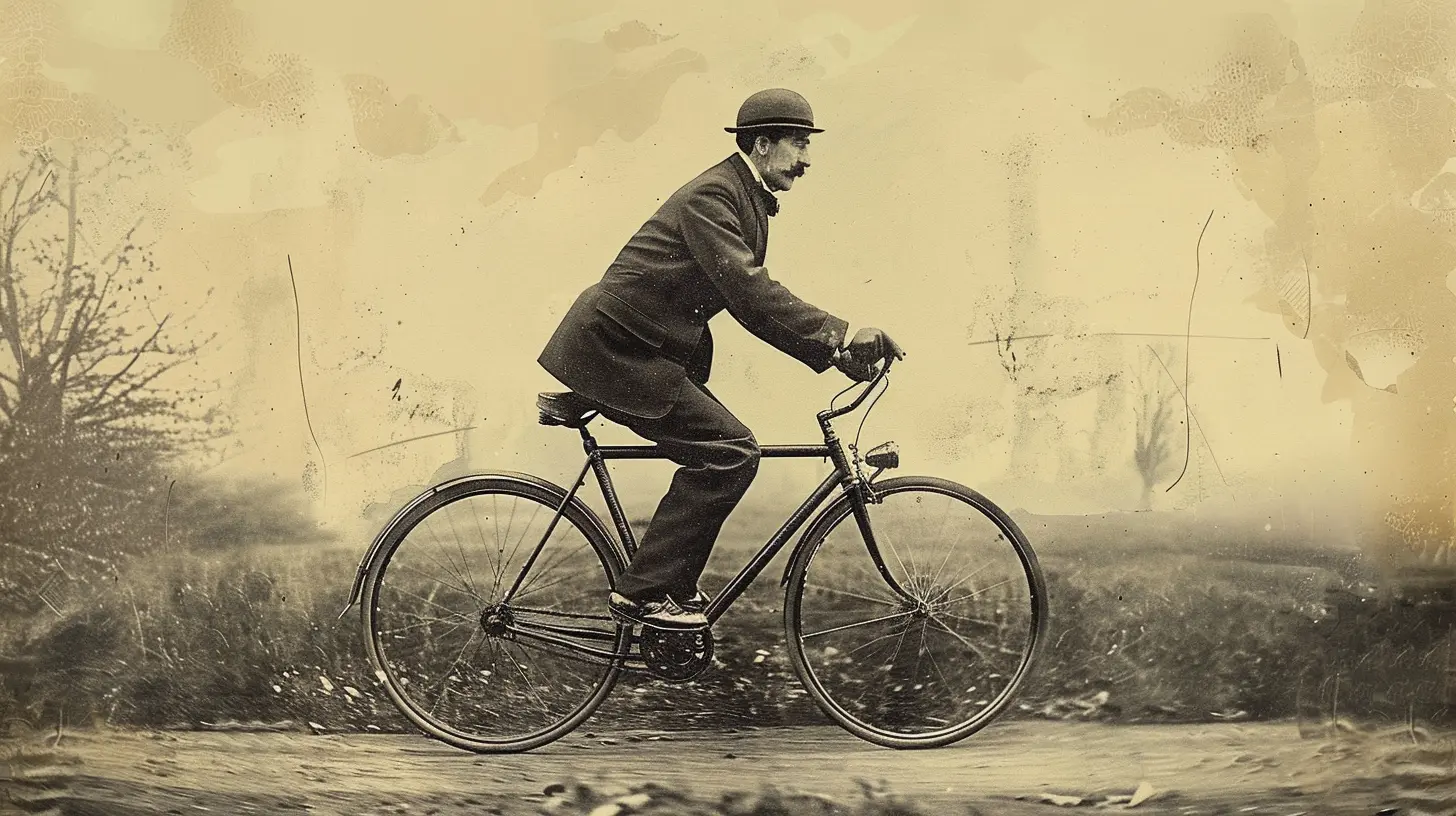
Meet the Safety Bicycle: A Game Changer
In 1885, everything changed—again. A man named John Kemp Starley (nephew of James, by the way) introduced the "safety bicycle." It had two equal-sized wheels, a chain drive, and pedals in the center. Sound familiar? It should—this design is basically the blueprint for modern bikes.This new model was more stable, easier to ride, and—crucially—safer. Suddenly, cycling wasn’t just for the adrenaline junkies. Women, children, and the elderly could now enjoy the freedom of two wheels. And with the introduction of pneumatic tires in 1888 by John Boyd Dunlop, the ride got even smoother.
Cycling shifted from a novelty to a mainstream hobby, sparking a transportation revolution. Around this time, cycling began to influence everything from fashion to social reform. It gave people more mobility and even played a role in women's emancipation. Talk about wheels of change!
Competitive Cycling Takes Off
When people find a fun activity, it’s only a matter of time before someone says, “Hey, let’s race.” And that’s exactly what happened. Organized cycling races started popping up in the late 19th century, especially in Europe.One of the earliest—and toughest—races came in 1896: the Paris–Roubaix. Known for its brutal cobblestone roads and muddy conditions, it’s still considered one of the most grueling one-day races in the world.
Then, in 1903, the world changed forever for cycling fans: the first Tour de France took place. Created to boost sales for a struggling newspaper, it grew into the most iconic cycling event on the planet. Riders covered 2,428 kilometers (about 1,500 miles) across France on fixed-gear bikes, with no gears and minimal support. Modern riders have teams, nutritionists, and cutting-edge tech. Back then? You were on your own.
Over time, the Tour became more professional and more global. It opened the doors for legendary cyclists like Eddy Merckx, Bernard Hinault, Miguel Induráin, and of course, some more controversial names like Lance Armstrong.
The Rise of Track and Road Racing
Cycling isn’t just about the Tour de France, though. There are two primary disciplines in competitive cycling: road and track. Road races take place outdoors on highways and mountain roads, while track cycling happens in velodromes on specially designed tracks.In the early 20th century, track cycling was actually more popular than road racing, especially in the U.S. Massive crowds would pack indoor arenas to watch racers fly around banked tracks at breakneck speeds—no brakes and fixed gears. Talk about living on the edge.
Road racing, however, saw a global explosion post-WWII, particularly in Europe. Countries like Italy, France, Belgium, and Spain developed rich cycling cultures that continue to thrive today. Don't believe it? Just visit Flanders during spring classics.
The Bicycle and the Olympics
Cycling made its Olympic debut in the very first modern games in 1896. Since then, it's become a staple—featuring several disciplines like road racing, track cycling, mountain biking (added in 1996), and BMX, which rolled in during the 2008 Beijing Games.Each discipline tests a different aspect of athleticism. Road racing demands endurance and tactics. Track cycling is all about explosive speed. Mountain biking adds technical skill and crazy descents. BMX? It's like the skateboarding of the cycling world—fast, flashy, and fearless.
Bicycle Innovation: From Steel Frames to Smart Bikes
Let’s geek out for a moment—bike tech has come a long way. Early bicycles were clunky, heavy, and not designed for comfort. But with time, materials evolved. Steel gave way to aluminum, then titanium, and now carbon fiber rules the road.Carbon fiber frames are super lightweight yet incredibly strong. That combo makes a huge difference in races, where every gram counts. Riders also rely on advanced gearing systems, electronic shifting, aerodynamic wheelsets, and smart power meters that track their performance down to each pedal stroke.
Modern bikes are practically computers on two wheels—complete with GPS navigation, real-time analytics, and even crash detection features (yeah, they can call for help if you fall). It’s wild how far we've come.
The Cultural Impact of Cycling
Cycling is more than a sport or a hobby. For many, it's a lifestyle. The rise of cycling advocacy in urban planning has brought bike lanes and public bike-sharing systems to cities around the globe. It's an eco-friendly alternative to cars, it promotes health and wellness, and—let’s face it—it just feels good to ride through town with the wind in your hair.In places like the Netherlands and Denmark, cycling isn’t just encouraged—it’s part of daily life. And while not every city can transform overnight, the global cycling movement keeps gaining momentum.
There’s also a strong community aspect to it. From charity rides to gran fondos and cycling clubs, the sense of camaraderie on two wheels is real. It’s not just about competing; it’s about connecting.
The Dark Side: Doping Scandals & Controversies
No history is complete without the bumps in the road. Professional cycling has had its share of scandals. Most notably, the sport was rocked by widespread doping revelations in the late 1990s and early 2000s.The infamous Lance Armstrong saga cast a long shadow. After winning seven consecutive Tours de France, he was stripped of all his titles due to proven involvement in one of the most sophisticated doping programs ever uncovered.
These scandals were a major blow to the sport’s credibility, but they also led to rigorous anti-doping reforms and better regulation. Today, cycling tries to balance redemption with transparency. It’s still healing, but it’s rolling in the right direction.
Where Does Cycling Go From Here?
What’s next for the sport and the bike itself? Electric bikes are already creating a buzz, making cycling more accessible to people of all ages and fitness levels. Gravel racing, which blends road and mountain biking, is booming. And virtual cycling platforms like Zwift are changing how people train and compete from their living rooms.You’ve got pro cyclists racing each other in simulated environments, complete with fans watching online like it’s an e-sport. It's equal parts fitness and video game—and it's just getting started.
The future looks fast, fun, and, most of all, inclusive. Whether you’re a weekend warrior, a daily commuter, or a wannabe Tour de France contender, there’s a place for you in the ever-growing world of cycling.
Final Thoughts: Why Cycling Still Matters
Cycling isn’t just a relic of the past or a niche sport for lycra-clad hardcore riders. It’s movement in its most human form. It’s freedom, competition, innovation, and even revolution. From the rickety dandy horses to ultra-modern racing machines, cycling has always been about pushing limits—technological, physical, and societal.And while bikes have changed over the years, the joy of riding hasn’t. That childlike sense of wonder, of gliding down a hill or powering through a climb—it’s timeless. So the next time you hop on your bike, remember—you’re not just pedaling. You’re riding through history.
all images in this post were generated using AI tools
Category:
CyclingAuthor:

Everett Davis
Discussion
rate this article
2 comments
Levi Robinson
From wooden wheels to Tour de France thrills, cycling proves humans will pedal through anything!
February 25, 2026 at 4:28 AM
Everett Davis
Thanks! From dirt paths to podium finishes, it’s been one incredible ride.
Fable Rivera
This article captures cycling's evolution beautifully, yet it overlooks the socio-political impacts of cycling, which shaped its modern identity.
February 4, 2026 at 4:22 AM
Everett Davis
Thank you for your thoughtful insight! I appreciate your perspective on the socio-political impacts of cycling, and I'll consider incorporating that in future discussions.