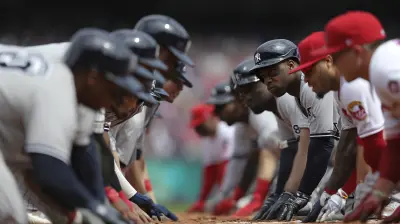
Game Day Experiences That Keep Fans Coming Back
20 June 2026
There’s just something electric about game day, isn’t there? That buzz in the air, the sea of jerseys, the smell of hot dogs and popcorn wafting through the stadium — it’s more than just a game; it's a full-blown experience. And sports franchises know this better than anyone. In today’s ultra-competitive fan-driven world, it's no longer just about what happens on the field or court. It’s about crafting unforgettable moments that hit you right in the feels and keep you coming back for more.
In this article, we’re diving into the heart of what makes fans return game after game. We're talking next-level fan engagement, spicy stadium food, interactive tech, traditions, and even the small emotional connections that tug at your heartstrings.
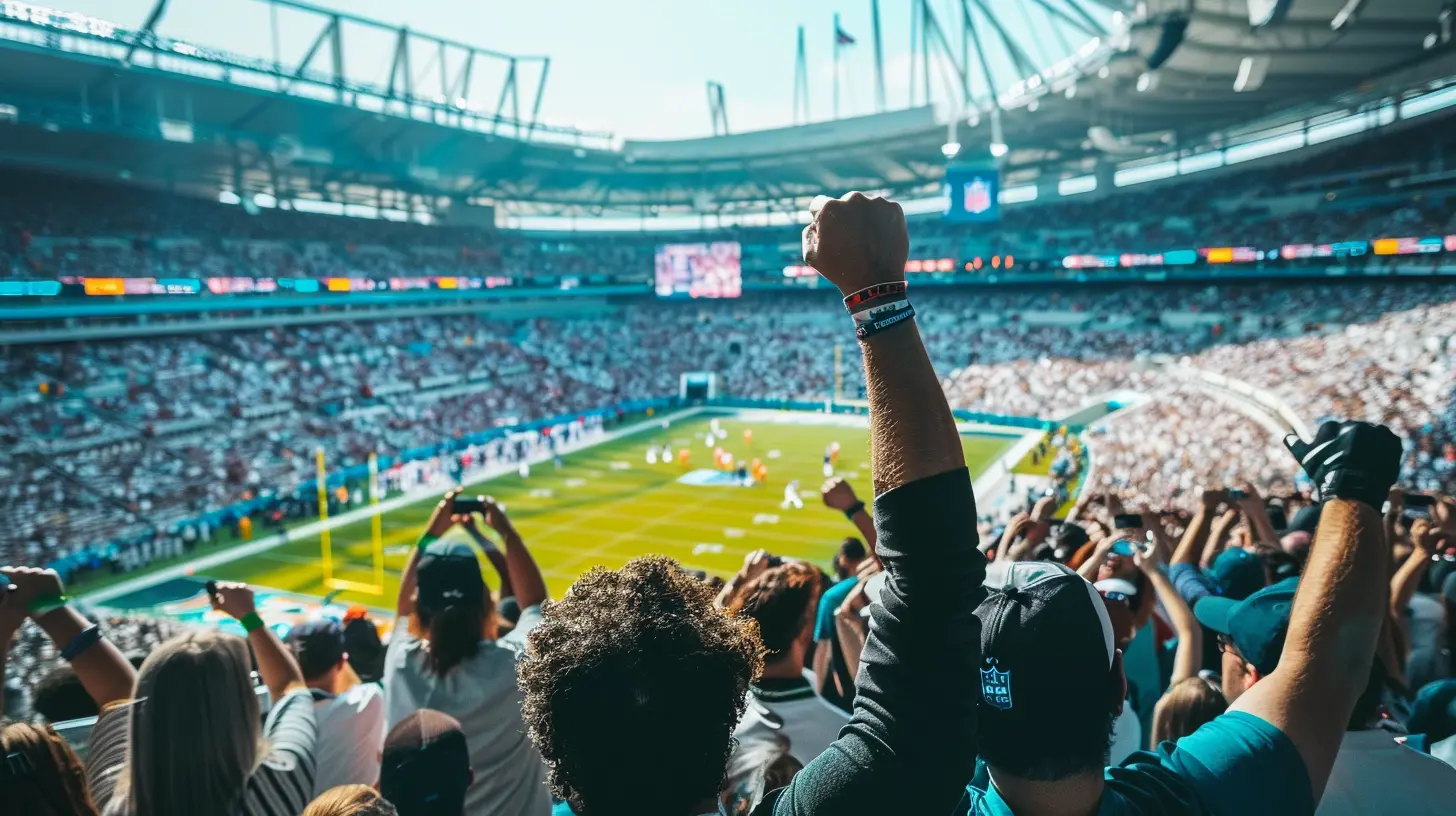
The Power of First Impressions
Let’s not underestimate this one. From the moment a fan enters the venue, the tone is set. If parking is a nightmare, staff are grumpy, and the lines are endless, it really doesn’t matter how epic that double-overtime buzzer beater is. Fans remember the whole experience, not just the score.Smart stadiums today are focusing on smooth entry systems like mobile ticketing and contactless payments. Staff are trained to greet fans with a smile (yes, it matters), and signage is crystal clear to avoid any confusion. Want fans to come back? Make them feel welcome from the get-go.

Immersive Stadium Technology
Technology is something fans didn’t know they needed until they got it. Now? They expect it.From augmented reality apps that let you take selfies with virtual players, to real-time replays on your phone, tech has added a whole new layer to the game day vibe. Some stadiums are even using geolocation to send in-seat food delivery right to your seat — no more missing a game-changing interception while you wait in line for nachos.
And let’s admit it: we’re all a little phone-obsessed. High-speed Wi-Fi in the venue isn’t a luxury any more; it’s a requirement. Fans want to post stories, check fantasy scores, and tweet their hot takes — all in real time.

Food That Goes Beyond the Basics
Gone are the days when peanuts and Cracker Jack cut it. Fans today expect culinary experiences that rival their favorite food truck festivals. Think gourmet burgers, loaded mac and cheese, pulled pork tacos, and even vegan options for the plant-based crowd.In fact, for many people, the food is part of the tradition. A fan might say, “I always start with a Philly cheesesteak and end with a soft-serve cone — win or lose.” Food becomes part of the ritual, a core memory tied to the game.
The stadiums that stand out offer local flavors, rotating chef collaborations, and even craft beer from nearby breweries. It’s not just about feeding the crowd — it’s about flavoring the experience.
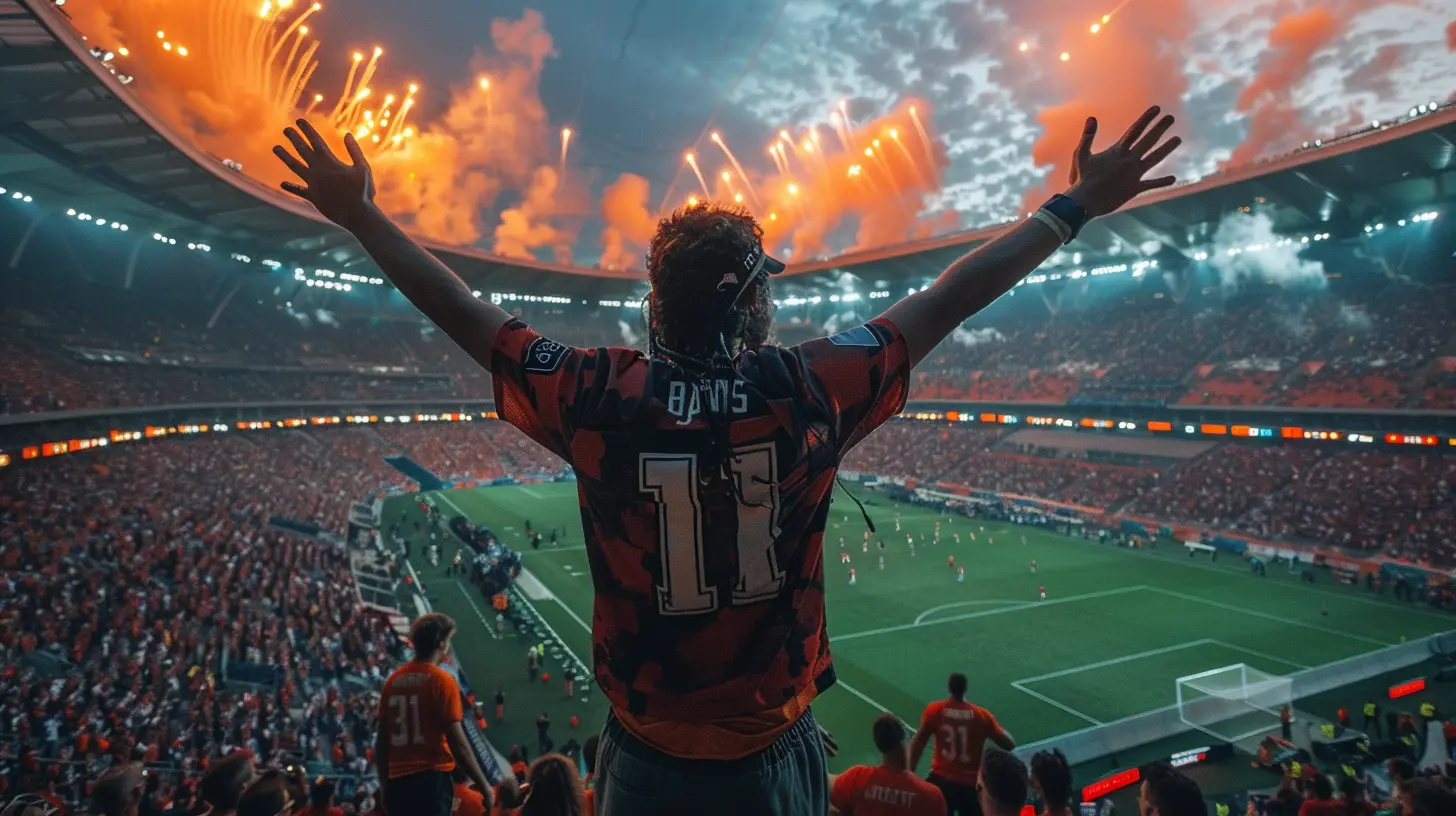
Interactive Fan Engagement
Ever been to a game where the crowd was flat? It’s weird. You can feel the lack of energy.That’s where fan engagement steps in. Teams are getting creative with halftime contests, fan cams, live trivia, and even social media shoutouts during the game. Jumbotrons have become digital stages where everyday fans become the show.
Many teams also use mobile apps to keep fans involved during lulls in the action by triggering quizzes, player voting, or limited-time merchandise deals. These micro-moments keep fans connected, even between whistles.
When fans feel like they’re part of the action — not just watching it? That’s the magic ticket to long-term loyalty.
The Emotional Hook of Team Traditions
Every team has that one moment — the anthem, the team song, the player chant, or the overhead roar at kickoff — that sends chills down your spine. Traditions aren’t just fun; they’re emotional glue.Take the Wisconsin Badgers’ “Jump Around” or the Pittsburgh Steelers’ terrible towels. These rituals are more than quirky — they’re sacred. They give fans a sense of belonging, a shared identity that's not shaken by win-loss columns.
Teams that honor their history and embrace their quirks create a culture. And where there’s culture, there’s loyalty.
The Role of Nostalgia and Personal Connection
Let’s get a little sentimental for a second.Ask any devoted fan about their first game, and chances are they’ll remember who took them, what they wore, and how it felt when the team ran onto the field. That’s not coincidence — it’s deeply personal.
Stadiums that lean into this with photo ops, memorabilia walls, and legacy programs (like recognizing season ticket holders who've been coming for 30+ years) build emotional capital. They create an environment where memories are made — not just tickets sold.
Those moments, those memories? That’s what brings fans back.
Smart Loyalty Programs & Perks
We're in the age of loyalty points and perks, and fans are absolutely here for it.The best loyalty programs aren’t just about discounts — they offer exclusive experiences. Think behind-the-scenes tours, meet-and-greets with players, or early access to merch drops. These perks make fans feel like VIPs, not just customers.
And let’s not forget gamification. When fans can rack up points for attending, engaging on social media, or even just checking in, it turns the season into a long, exciting journey — not just a series of isolated events.
Family-Friendly Features
Let’s face it, bringing the kids to a game is an investment — both financially and emotionally. But when teams create a family-friendly atmosphere, it’s worth every penny.From kid zones with games and activities to family restrooms and nursing areas, the modern stadium is evolving to welcome the next generation of fans. Some teams even offer discounted tickets and meal packages just for families.
Because when a kid has a great time at the game? They’ll grow up and bring their own kids one day. That’s generational loyalty right there.
In-Stadium Entertainment
The game is the main event, no doubt. But the stuff around the game? That’s the icing on the cake.We’re talking live music, DJs, fireworks, themed nights, celebrity appearances — it all adds up to an atmosphere that feels like more than just a sporting event. It feels like a party, a celebration.
The best stadiums know how to dial it up without stealing the focus. They enhance the energy, pump up the crowd, and add some razzle-dazzle to make sure fans feel like they got more than their money’s worth.
Clean, Comfortable, and Convenient Facilities
It might not sound glamourous, but clean restrooms, plenty of seating, and enough space to move around can make or break the experience.No one wants to fight through crowds for 20 minutes just to find a trash-filled bathroom with no paper towel. Stadiums that invest in cleanliness, smart crowd flow, and comfort (hello, cushioned seats!) turn what could be a frustrating ordeal into a smooth, enjoyable day.
These little things often go unnoticed when done right — but let them slide, and fans will remember. Trust us.
Accessible and Inclusive Spaces
Inclusivity isn’t optional anymore — it’s essential.Whether it’s wheelchair-accessible seating, sensory-friendly zones, or multilingual signage, the best venues make sure everyone can enjoy the game. And it’s not just about physical access; it’s about representation and respect.
When fans see themselves reflected in the game — through community outreach, diverse entertainment, or themed heritage nights — loyalty goes through the roof. It’s more than inclusion; it’s connection.
A Focus on the Local Community
Teams are more than just businesses — they’re community pillars. And fans notice when franchises give back.From charity partnerships to school programs and local vendor support, actions like these show that the team is invested in more than just winning games. They’re building something lasting.
Fans are loyal to teams that are loyal to them — it’s that simple.
Final Thoughts
Game day isn’t just about the scoreboard anymore. It’s about the buzz, the rituals, the flavors, the faces, and the feelings. It’s the sum of a thousand small details that, when done right, create something bigger — something unforgettable.Want fans to keep coming back? Make them feel seen, valued, connected. Give them more than a ticket. Give them an experience they can’t wait to relive.
Because at the end of the day, fans don’t just come for the game — they come for the magic.
all images in this post were generated using AI tools
Category:
Fan EngagementAuthor:

Everett Davis
Discussion
rate this article
1 comments
Ursula Cross
Nothing beats the thrill of game day! The smell of popcorn, the roar of the crowd, and that sudden rush when your team scores... It's like a rollercoaster ride with nachos. Who needs theme parks when you've got the stadium?
June 23, 2026 at 5:01 AM