How College Athletes Balance Academics and Athletics
8 July 2026
Let’s be real—being a college student is already tough. Juggling lectures, assignments, social life, and trying to get enough sleep? That's a full-time gig on its own. Now, toss in early morning workouts, constant travel, and intense competitions, and you've got the life of a college athlete. Sounds exhausting, right?
So how do they do it? How do these student-athletes manage to ace exams while keeping their athletic performance on point? Well, it's not magic—it's strategy, grit, and a whole lot of determination. Let's dive into the balancing act that student-athletes pull off every single day.

The Double Life of a Student-Athlete
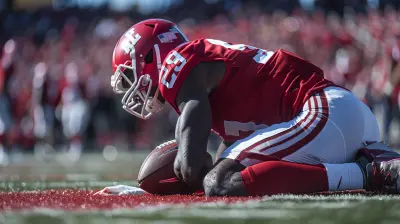
College athletes essentially live two lives—one in lecture halls, and the other on the field or court. Each comes with its own set of expectations, deadlines, and pressures. While most students can focus solely on academics, student-athletes have to master both worlds.These young men and women often wake up before sunrise, train hard, attend classes, study, attend team meetings, squeeze in another practice or two, and then finally hit the books late at night. It's like being in two full-time jobs at once.
But here's the kicker—they still manage to thrive. Let’s unpack the secrets behind their success.

Time Management is Their Superpower
Ever wonder how some people seem to get everything done in just 24 hours? That’s the magic of time management, and college athletes have this skill on lock.Prioritizing the Right Way
Think of their day like a puzzle. Every piece—practice, classes, meals, sleep, and study hours—has to fit just right. If one piece is missing, the whole picture falls apart.Student-athletes often live by a tight schedule. They use planners, digital calendars, and even alarms for every responsibility. It might sound over-the-top, but when you’ve got a game in another state and a midterm on Monday, every minute counts.
Using Dead Time Wisely
Ever waited in line for coffee or sat on the bus zoning out? College athletes use these moments to review flashcards, watch lecture makeups, or mentally prep for an upcoming game. It’s about squeezing value out of every spare second.
Support Systems Make a Huge Difference
No one does it alone—especially not student-athletes. Behind every athlete is a team of people making sure they don’t fall behind.Academic Advisors and Tutors
Most colleges have specialized academic advisors just for athletes. Why? Because their schedules are so unique and demanding. These advisors help map out class schedules, plan around conflicts, and ensure athletes meet eligibility requirements.Tutors also play a big role. Whether it’s late-night study sessions or crash courses before an exam, these academic lifelines are always ready to help.
Coaches Who Get It
A good coach knows that a smarter athlete is a better athlete. Many coaches actively encourage academic success. Some even hold study hours or check grades regularly to keep their players on track.Family and Teammates
When the going gets tough (and it does), emotional support is everything. Families often cheer from the sidelines—both in the stadium and in life. Teammates become more than just workout partners; they’re study buddies, roommates, and sometimes, a makeshift family away from home.
Staying Mentally and Physically Healthy
Balancing academics and athletics isn’t just about schedules. It also requires staying mentally and physically healthy. Burnout is real, and without proper care, it can hit hard.Sleep Isn’t Optional
It’s tempting to skimp on sleep in favor of late-night studying, but sleep is non-negotiable. Student-athletes need rest to recover from workouts and perform mentally in the classroom. Most stick to a strict sleep schedule, even if it means skipping a night out or turning in early.Nutrition and Fitness: More Than Just Muscles
Fueling the body with the right food affects physical and academic performance. Think of the brain as an engine—it runs better on premium fuel. Many college athletic programs provide nutritionists to help athletes stay healthy and energized.Mental Health Matters
Let’s talk stress. Deadlines, crucial games, potential injuries... it can feel overwhelming. That’s why mental health resources, from school counselors to sports psychologists, are so important. More athletes are opening up about mental health challenges, breaking stigmas, and seeking help when needed.Learning the Art of Saying “No”
Here’s a life skill every college athlete masters: the word “no.”No to that extra Netflix episode. No to late-night fast food. No to parties before game days. It’s all about discipline and knowing what matters most.
Sure, they still have fun—it’s college, after all—but they learn quickly how to make smart choices. Success in school and sports often means passing up temporary fun for long-term goals.
The Role of Technology in Balancing Both Worlds
We’re living in a digital age, and tech tools can be game-changers for student-athletes.Apps That Help
From time-blocking apps like Google Calendar to note-taking apps like Notion or Evernote, technology helps athletes stay organized. Some use fitness trackers to monitor workouts, while others depend on online learning platforms to catch up on classes they missed due to travel.Online Classes and Lectures
Many universities now offer hybrid or online courses, which are a blessing for traveling athletes. Missed a lecture because of a tournament? No problem—just log in and catch up later.Real Talk: It’s Not Always Smooth Sailing
Let’s be honest. Despite all the structure and support, balancing academics and athletics isn’t easy. Sometimes, athletes fall behind in classes. Injuries can derail both their sport and school life. There are moments of doubt, stress, and even burnout.But most student-athletes don’t let those moments define them. They bounce back. They lean into their support systems. They adjust their game plan—literally and academically.
Like any balancing act, it’s a constant process of learning, adapting, and growing.
Why It’s All Worth It
You might be thinking, “Why would anyone put themselves through such a tough routine?” Well, ask any college athlete, and they’ll tell you it’s worth it.They’re building discipline, resilience, time management, and teamwork—skills that translate far beyond the field or classroom. Whether they go pro or not, they leave college better prepared for the real world.
And let’s not forget the memories. The last-second buzzer-beaters, the friendships, the lessons learned in both wins and losses—those moments stick forever.
Final Thoughts: A Tightrope Walk Worth Taking
Balancing academics and athletics in college isn’t for the faint of heart. It takes hustle, sacrifice, and a whole lot of heart. But those who manage to walk this tightrope come out stronger, sharper, and incredibly driven.If you’re a student-athlete (or thinking of becoming one), just know this: it’s doable. Hard? Absolutely. But impossible? Not at all. With the right mindset, support, and strategies, you can chase both academic success and athletic greatness—and win at both.
And hey, even if you stumble now and then (because everyone does), you’ll learn, grow, and come back stronger. That’s what being a student-athlete is all about.
all images in this post were generated using AI tools
Category:
College SportsAuthor:

Everett Davis
Discussion
rate this article
1 comments
Mila McAleer
Balancing academics and athletics shapes resilience and time management for these young athletes.
July 21, 2026 at 8:16 PM
Everett Davis
Absolutely! The discipline gained from balancing both is invaluable for their future success.