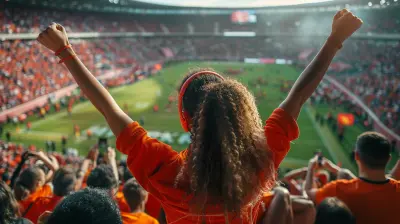
How College Sports Help Build Leadership Skills
28 May 2026
Ever watched a buzzer-beater shot win a college basketball game and wondered how those athletes keep their cool under pressure? Or maybe you’ve seen a student-athlete lead their team through a game-changing huddle? Beyond the thrilling moments and roaring crowds, college sports are a breeding ground for one of life’s most essential and transferable skills: leadership.
Yep, that’s right.
College sports don’t just mold athletes into fierce competitors—they also shape them into strong, dependable leaders. And it's not just hype. There’s a deep, meaningful connection between athletic participation at the college level and the development of leadership skills that last a lifetime.
Let’s dig deep into how student-athletes come out of college not just with trophies and game-day memories, but with the kind of leadership skills that workplaces, communities, and even families thrive on. 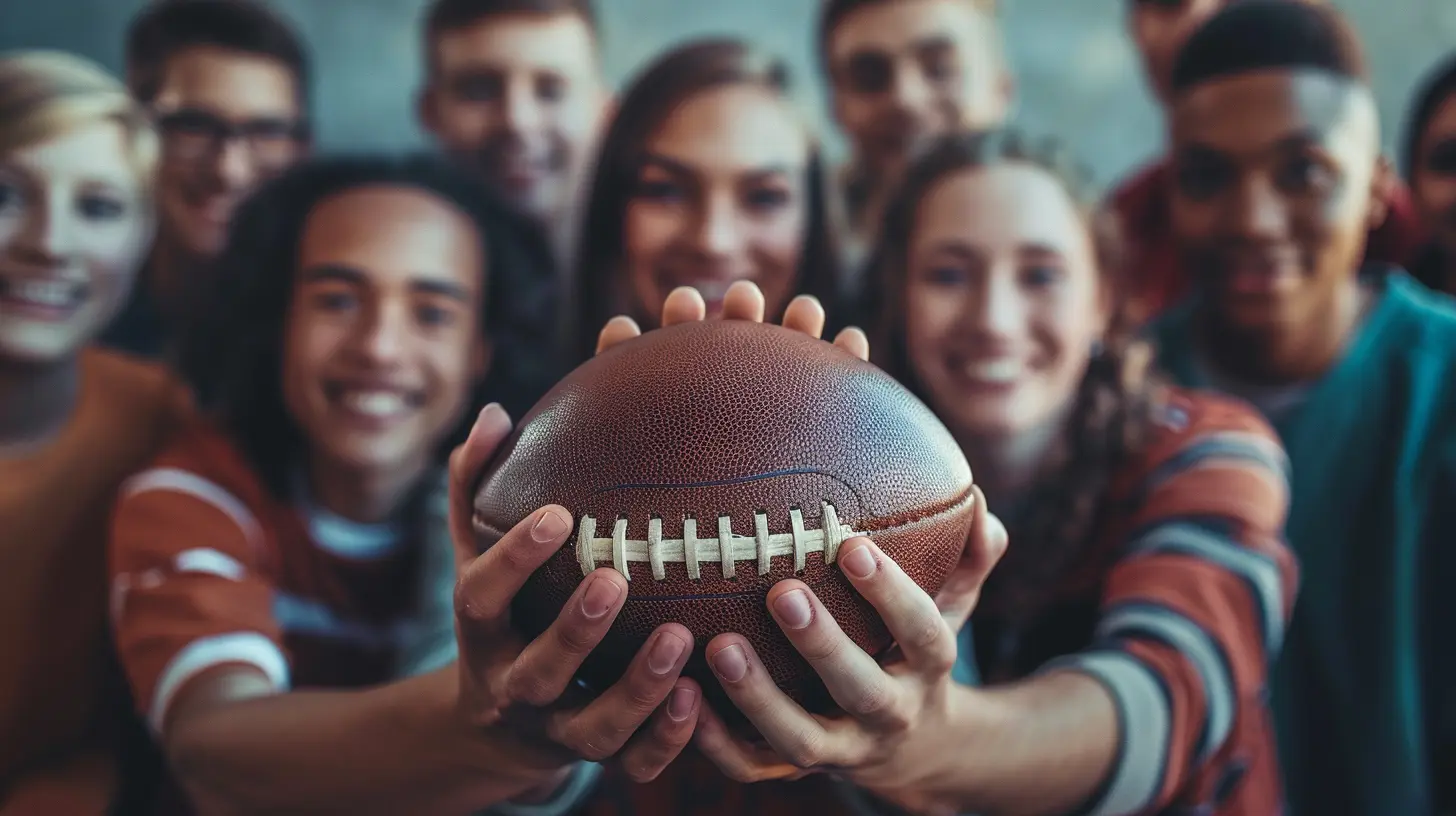
The Playing Field: A Real-Life Leadership Lab
Forget textbooks and lectures for a sec. College sports are like leadership bootcamps—except you're wearing cleats or sneakers instead of business suits.From the moment student-athletes step onto the field, court, or track, they’re faced with countless decisions. Do I speak up and lead this drill? Should I motivate a teammate who’s struggling? Can I recover from a personal mistake and still guide the team to a win?
These moments aren’t just about athletic performance—they’re about communication, commitment, and accountability. In other words, the DNA of great leadership.
Real-Time Decision Making
One of the most valuable leadership lessons athletes learn is how to make rapid, informed decisions—often under immense pressure. Whether it's a quarterback reading a defense or a point guard managing the clock, decision-making in sports is raw and real-time.Guess what? That’s exactly what leaders outside of sports need too. CEOs, teachers, doctors—they’re all constantly making decisions with limited information. Sports just fast-track that learning curve.
Accountability in Action
In sports, if you mess up, it's obvious. The scoreboard doesn’t lie. But here’s the silver lining: athletes learn how to own their mistakes. There’s no hiding. Whether it's a missed shot or a blown coverage, you’ve got to face the music and grow from it.This builds a mindset of personal accountability. Leaders who admit when they're wrong, learn from it, and move forward? Those are the ones people actually want to follow.
Building Teamwork—and Knowing When to Step Up
Leadership isn’t about barking orders. It’s about knowing when to lead and when to support. College sports teach that balance in a way that few other environments can.Every team has a mix of personalities—quiet grinders, vocal motivators, tactical thinkers. Learning to work within that dynamic, and sometimes lead it, is powerful training for real-world collaboration.
Understanding Roles and Embracing Them
Not every athlete is the star player. But here’s the thing: leadership isn’t reserved for the MVP. The benchwarmer who keeps morale high? The unsung hero who quietly pushes teammates in practice? They're all leaders in their own right.College sports help athletes embrace their roles—big or small—and find ways to lead from wherever they stand. That’s a game-changing mindset in any organization or relationship.
Communication: The Unsung MVP of Leadership
If there’s one skill that separates good leaders from great ones, it’s communication. And student-athletes get a PhD in it without ever stepping into a lecture hall.On-the-Fly Communication
Think about it: in the middle of a game, there's no time for long discussions. You’ve got to be clear, direct, and fast. That kind of communication—saying the right thing at the right time in the right way—is priceless.Athletes learn this early and refine it often, especially those in leadership roles like team captains. They build the muscle of effective communication, and more importantly, they learn to listen.
Motivational Communication
Have you ever heard a locker room halftime speech that gave you goosebumps? That’s leadership through emotional intelligence. College sports teach athletes how to inspire and uplift, especially when the chips are down.That ability to connect emotionally, to motivate and rally others, is what turns average leaders into unforgettable ones.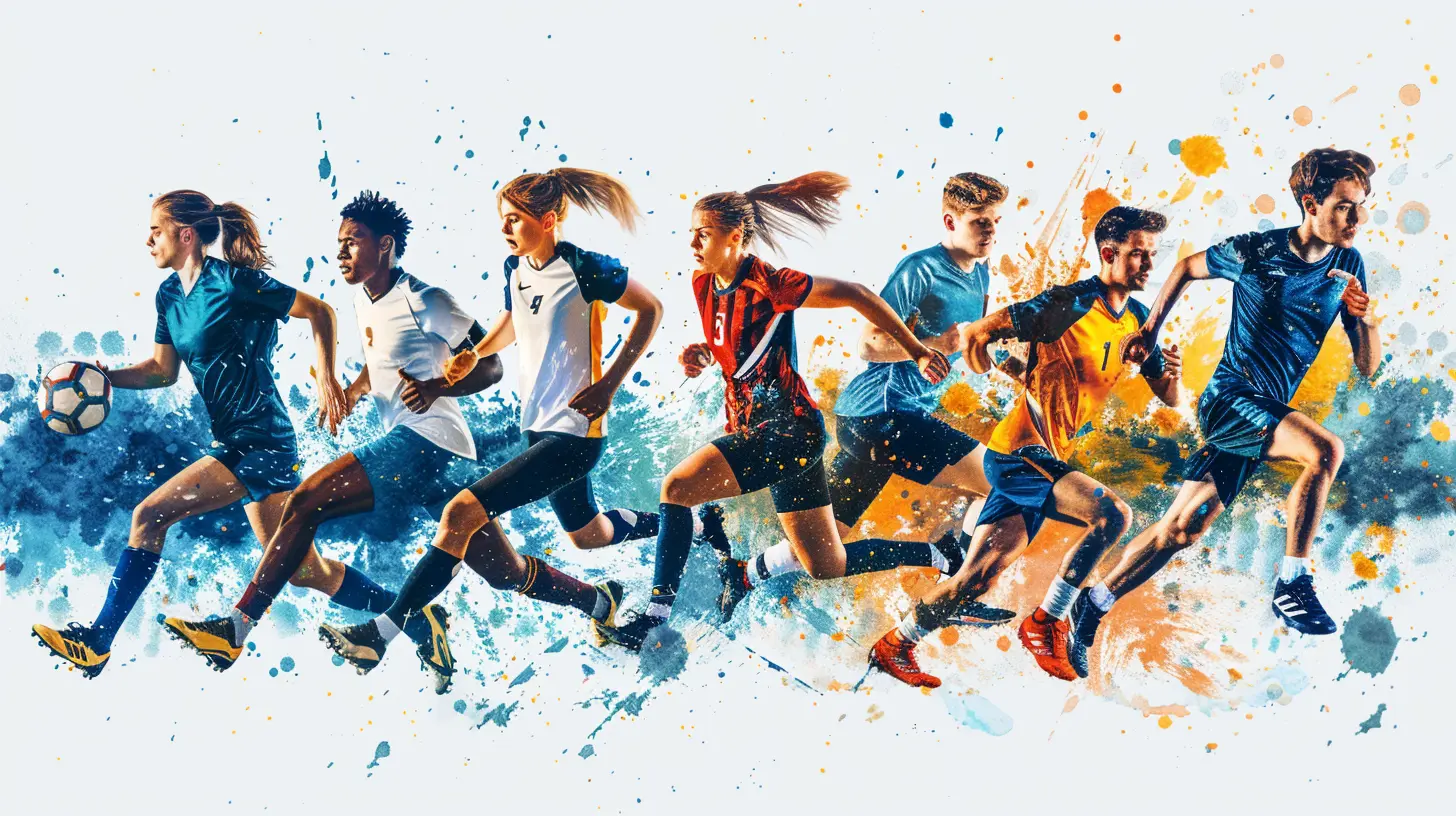
Time Management: Leading With Discipline
Here’s something most people overlook: college athletes live under insanely tight schedules. Between classes, practices, games, workouts, and sometimes part-time jobs, their calendars are packed tighter than a Super Bowl stadium.So what does this have to do with leadership?
Everything.
Prioritization Under Pressure
Student-athletes master the art of prioritizing. They figure out what matters most, often sacrificing short-term fun for long-term goals. They become pros at managing time, setting goals, and staying disciplined—all traits that make for ultra-effective leaders.In leadership, time is currency. People who manage theirs well often earn the respect and trust of those they lead.
Resilience: The Backbone of Leadership
Life has a funny way of testing leaders. Setbacks, failures, rejections—they’re all part of the journey. Thankfully, college sports come with plenty of those too.Embracing Failure as Feedback
Missed goals, losing streaks, injuries—college athletes face them all. But rather than crumbling, they learn to bounce back. They develop resilience, one of the cornerstone traits of effective leaders.Why? Because leadership isn’t about never failing—it’s about rising every time you fall. And sports teach that in the most visceral, immediate way possible.
Conflict Resolution and Emotional Control
Let’s be real: not every day is sunshine and team bonding. Sometimes teammates argue. Tempers flare. Coaches criticize. The emotional highs and lows of college sports mirror real-life workplace tension.Learning to De-Escalate
In this environment, athletes quickly learn how to manage emotions, keep their cool, and resolve conflict. Whether it’s smoothing over a locker room spat or handling a coach’s tough feedback, these experiences sharpen emotional intelligence.And guess what emotional intelligence leads to? You got it—better leadership.
The Coach-Athlete Dynamic: A Masterclass in Mentorship
If leadership is about guiding others, then mentorship is the secret sauce. College sports offer a front-row seat to how powerful mentorship can be.Leading By Example
Great coaches inspire athletes not just with words, but by modeling standards. And student-athletes absorb those cues like sponges. They watch how leaders handle pressure, treat others, and manage adversity.Over time, they learn to do the same.
In fact, many student-athletes go on to become mentors themselves—to underclassmen, younger teammates, or even future athletes. It’s leadership passed down like a family heirloom.
Transitioning From the Field to the Boardroom
Everything we've talked about—communication, discipline, teamwork, resilience—it doesn’t stay locked inside the gym. It carries over. Into business. Into teaching. Into leadership roles across every industry you can think of.Employers Love Former Athletes
According to multiple surveys, employers actively seek out former student-athletes. Why? Because they bring leadership skills to the table from day one—skills honed under real pressure, not just taught in a seminar.That’s the power of college sports. They don’t just build better athletes. They build better bosses, better innovators, better change-makers.
Real Stories, Real Impact
Think about leaders in the world of politics, business, entertainment. So many of them have roots in college sports. People like:- Condoleezza Rice – Played college-level figure skating and tennis
- Tony Romo – Former Eastern Illinois QB, now a highly respected NFL analyst
- Sue Bird – College basketball legend turned team leader and businesswoman
These are just a few examples of how the leadership skills born on the field echo long after the final whistle.
Final Thoughts: More Than Just a Game
So the next time you watch a college game, look beyond the highlight reels. See the bigger picture. Those athletes out there? They're learning how to lead. Every drop of sweat, every team talk, every tough loss—it all adds up.They’re growing into leaders. Quietly, powerfully.
Because college sports aren’t just about winning games. They’re about shaping people who will win at life.
all images in this post were generated using AI tools
Category:
College SportsAuthor:

Everett Davis
Discussion
rate this article
2 comments
Mariana Barker
Great article! College sports really do offer incredible opportunities for personal growth. The leadership skills athletes develop on and off the field are invaluable. It's inspiring to see how teamwork and resilience can shape future leaders. Keep sharing these insights that highlight the positive impact of sports!
September 16, 2026 at 3:06 AM
Everett Davis
Thank you for your kind words! I'm glad you found the article inspiring. College sports truly do foster essential skills that benefit athletes far beyond the field.
Giselle McWilliams
Great insights on leadership through sports!
June 2, 2026 at 8:04 PM
Everett Davis
Thanks for reading! I'm glad you found the insights valuable.