How Injuries Impact the Value of Top Free Agents
17 July 2026
In the world of professional sports, free agents are often seen as golden tickets to a championship. Teams are willing to throw bags of money at top players in the hope that they'll be the missing piece to success. But what happens when those highly sought-after athletes come with a history of injuries?
Injuries are an unfortunate part of sports. They can derail careers, alter legacies, and significantly impact a team's long-term plans. But one area that doesn't get enough attention is how injuries impact the value of free agents. If you're a general manager, signing a player with a history of injuries can feel like playing with fire. The risk is high, and the reward? Well, it's uncertain.
In this article, we'll dive into how injuries affect the value of top free agents, why teams are cautious, and examples of players who have either overcome injury concerns or seen their market value plummet because of them.
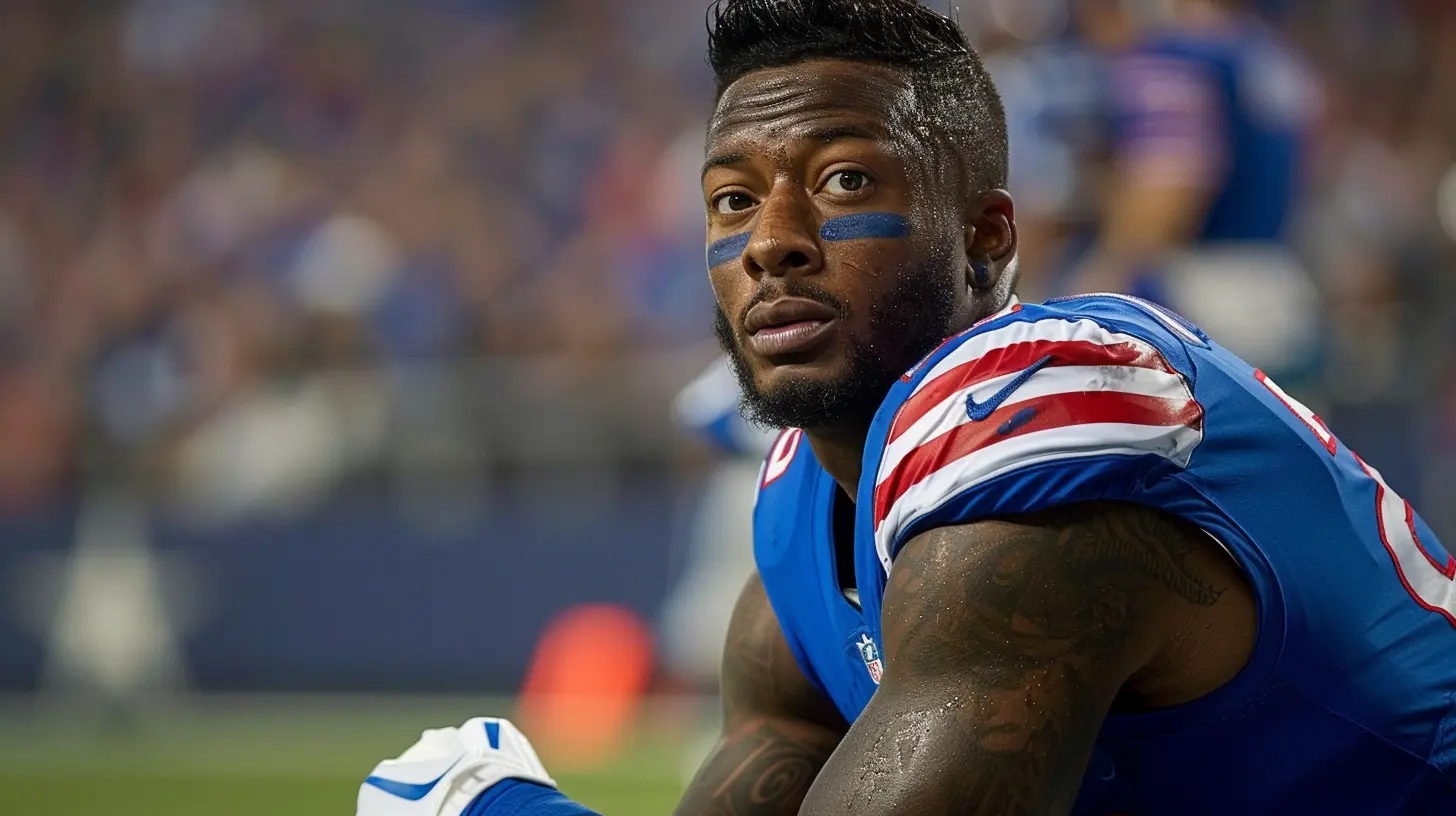
The Risk Factor: Why Teams Are Wary of Injured Free Agents
When a top free agent hits the market, teams often salivate at the prospect of landing a game-changer. But when that player has a history of injuries, teams start weighing the benefits against the risks. And let's be honest—those risks can be massive.Durability Concerns
The number one concern for any team when signing an injured player is durability. If a player has missed substantial time due to injuries in the past, what's to say it won't happen again? Sports are physical by nature, and even the most talented athletes can't help if they're constantly sidelined.Take the case of Kevin Durant. After his Achilles injury in 2019, some teams were reluctant to offer him a max contract, even though he’s one of the best players of his generation. Fortunately for the Brooklyn Nets, they decided to take the plunge, and Durant has largely returned to form. However, not every story ends this way.
Injuries like torn ACLs, Achilles ruptures, and recurring hamstring issues can be red flags. Teams want players who can contribute consistently, not athletes who are in and out of the lineup. This makes durability a major factor in determining the value of a free agent.
Injury History Becomes Part of the Negotiation
When a player hits free agency, their agents often try to leverage their client’s past performances to secure a lucrative deal. But if that player has a history of injuries, it becomes a sticking point in negotiations. Teams might want to lower their offers or include performance-based incentives to ensure they’re not overcommitting financially.For example, a team might offer a shorter contract or one that has a lower base salary but includes bonuses for games played or specific achievements. This way, the team mitigates the risk of paying a significant amount for a player who might not be able to stay on the field.
So, while a player might have the talent to command a max deal, their injury history can turn those negotiations into a tug-of-war, where neither side feels entirely comfortable.
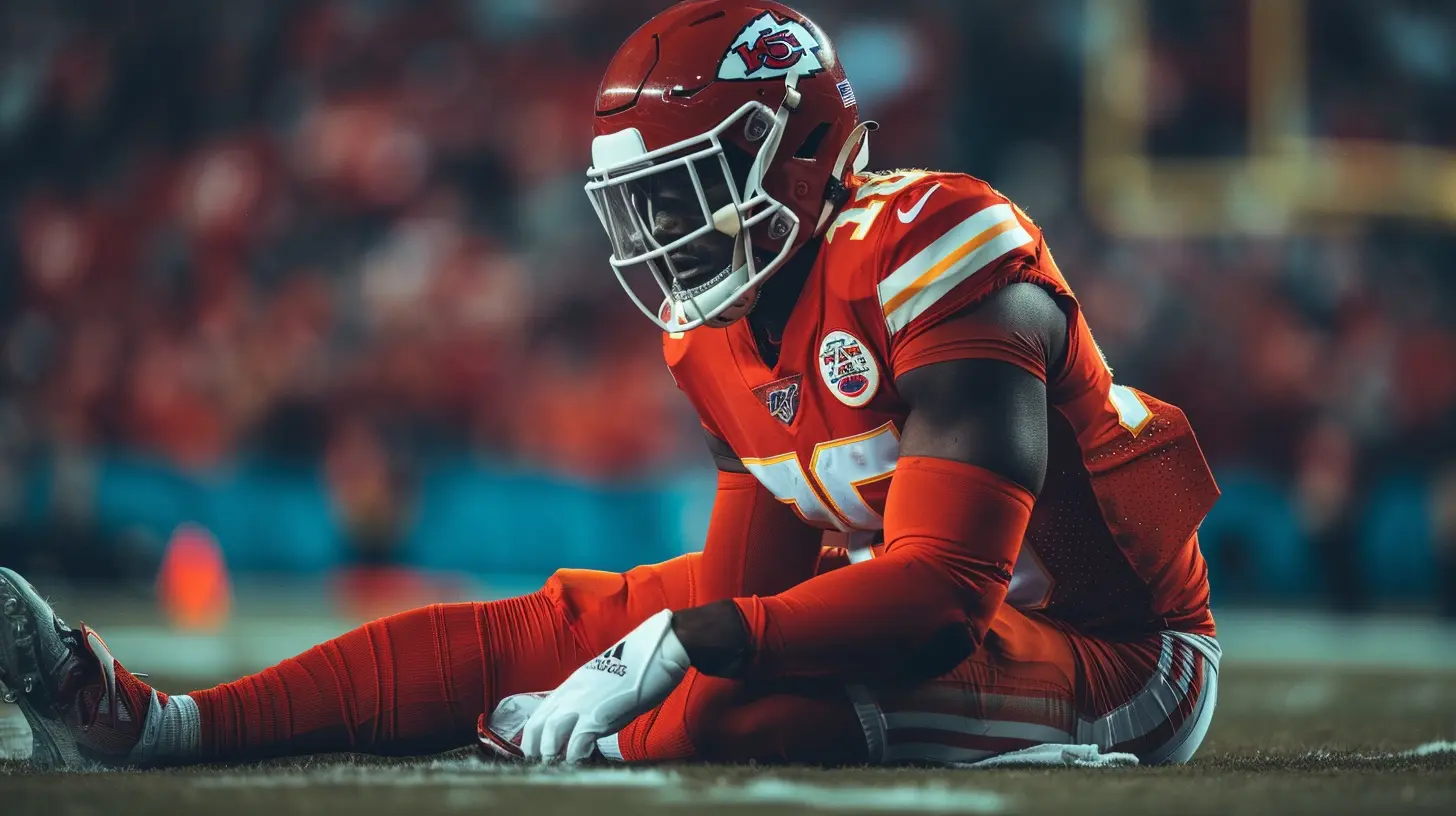
How Injuries Affect Performance and Longevity
Injuries don’t just keep players off the field; they can also impact performance and longevity. When an athlete suffers a major injury, it can affect their ability to compete at the same level they once did.Loss of Explosiveness and Agility
Many injuries, especially to the knees or Achilles tendon, can rob players of their explosiveness. In sports like basketball, football, or soccer, explosiveness is often what sets elite athletes apart. If a player can no longer change direction quickly, elevate for a shot, or burst past defenders, their effectiveness on the field diminishes.For example, Derrick Rose was one of the most explosive players in the NBA before his multiple knee injuries. After suffering a torn ACL and other knee problems, Rose had to reinvent his game. He’s still a valuable player, but he’s no longer the MVP-caliber force he once was. This is a prime example of how injuries can change a player's trajectory and, subsequently, their market value in free agency.
Long-Term Health Concerns
Another issue is the potential for long-term health problems. An injury that seems minor at first can have lasting effects on a player's body. Over time, these issues can compound, leading to chronic pain or recurring problems that force early retirement.Take Andrew Luck, for example, who retired early in his career due to the toll that injuries took on his body. While Luck was one of the top quarterbacks in the NFL, his injury history made it difficult for him to stay on the field, and ultimately, he decided to walk away from the game. If Luck had hit free agency before his retirement, many teams would have been reluctant to offer him a huge contract because of the uncertainty surrounding his health.

The Financial Implications of Signing an Injured Free Agent
Signing a free agent with a history of injuries isn’t just about the risk on the field; it’s also about the financial risk. Teams have salary caps, and they need to be smart about how they allocate their resources. Signing a player to a huge contract only to have them spend most of the season on the sidelines can be financially crippling.Salary Cap Constraints
In professional sports leagues with salary caps, teams have to be strategic about how they spend their money. If a team maxes out their cap space on an injured player, they might not have the flexibility to make other moves to improve the roster.This makes signing an injured free agent a high-stakes gamble. If the player returns to form and plays at a high level, it’s a win. But if they continue to struggle with injuries, the team is stuck paying a premium for limited production.
For instance, in the NFL, teams are particularly cautious about signing players with a history of concussions. The long-term effects of concussions are still being studied, but the potential for a player to be forced into early retirement or suffer a significant decline in performance is a real concern. As a result, teams are more likely to pass on a player with multiple concussions, even if they have the talent to be a top free agent.
Insurance and Contract Structures
To mitigate the financial risk, some teams take out insurance policies on players with a history of injuries. These policies can help offset the cost if a player misses significant time due to injury. However, not every player is insurable, and the premiums for such policies can be steep.Another approach is structuring the contract in a way that protects the team. As mentioned earlier, teams might include performance-based incentives, but they can also add clauses that allow them to void the contract if the player fails a physical or suffers a specific type of injury. This gives the team an out if the worst-case scenario happens.

Examples of Free Agents Impacted by Injuries
To further illustrate how injuries impact the value of top free agents, let’s look at some notable examples from various sports.1. Kawhi Leonard (NBA)
Kawhi Leonard is one of the best two-way players in the NBA, but his injury history has raised questions about his long-term value. Leonard has dealt with persistent knee issues, and his team has often implemented load management to keep him healthy for the playoffs. When Leonard hit free agency in 2019, teams were still willing to offer him a max deal, but the risk of signing a player with chronic injuries was apparent. The LA Clippers took a chance, and while Leonard has delivered in key moments, he’s also missed significant time, including the entire 2021-2022 season due to injury.2. Carson Wentz (NFL)
Carson Wentz is another example of a player whose value has been impacted by injuries. After a stellar start to his NFL career, Wentz suffered multiple injuries, including a torn ACL and back issues. When he hit free agency, teams were hesitant to offer him a long-term deal, and his injury history was a major factor. While Wentz has shown flashes of the player he once was, his inability to stay healthy has made him a risky investment for any team.3. Zlatan Ibrahimović (Soccer)
In the world of soccer, Zlatan Ibrahimović has been a dominant force for years. However, in 2017, he suffered a serious knee injury while playing for Manchester United. Despite concerns about his ability to return to top form, Zlatan made a successful comeback and signed with the LA Galaxy in Major League Soccer (MLS). His injury didn’t seem to affect his performance in MLS, but it did likely lower his market value in European leagues, where teams are more cautious about signing older players with injury histories.Conclusion: Are Injured Free Agents Worth the Gamble?
So, what’s the verdict? Are injured free agents worth the gamble? The answer depends on the player, the injury, and the team's risk tolerance. For some franchises, the potential reward of signing a talented player outweighs the risk of injury. But for others, the uncertainty is too great.Injuries are part of the game, and they will always be a factor in free agency. Teams need to do their homework, assess the risk, and make informed decisions. Sometimes, those decisions pay off in the form of a championship. Other times, they lead to regret.
Ultimately, it’s a gamble—one that can pay huge dividends or leave a team paying big bucks for a player who never quite makes it back to form.
all images in this post were generated using AI tools
Category:
Free AgentsAuthor:

Everett Davis
Discussion
rate this article
1 comments
Gisela McCullough
Injuries significantly diminish free agent value, affecting team decisions and overall market dynamics.
July 23, 2026 at 1:05 PM
Everett Davis
That's a key point. Injuries not only reduce individual value but also shift team strategies and market trends significantly.