The Benefits of Cross-Training for Swimmers
10 May 2026
If you're a competitive swimmer or even someone who enjoys racking up laps at the local pool, you’ve probably heard the term “cross-training” tossed around. It sounds like something elite athletes do, right? But here’s the truth: cross-training isn’t just for Olympians or triathletes—it’s an absolute game-changer for any swimmer at any level.
Let’s dive deep (pun intended) into why cross-training should be part of your training routine. Whether you're looking to shave seconds off your time, build endurance, or just stay injury-free, this article is your go-to guide.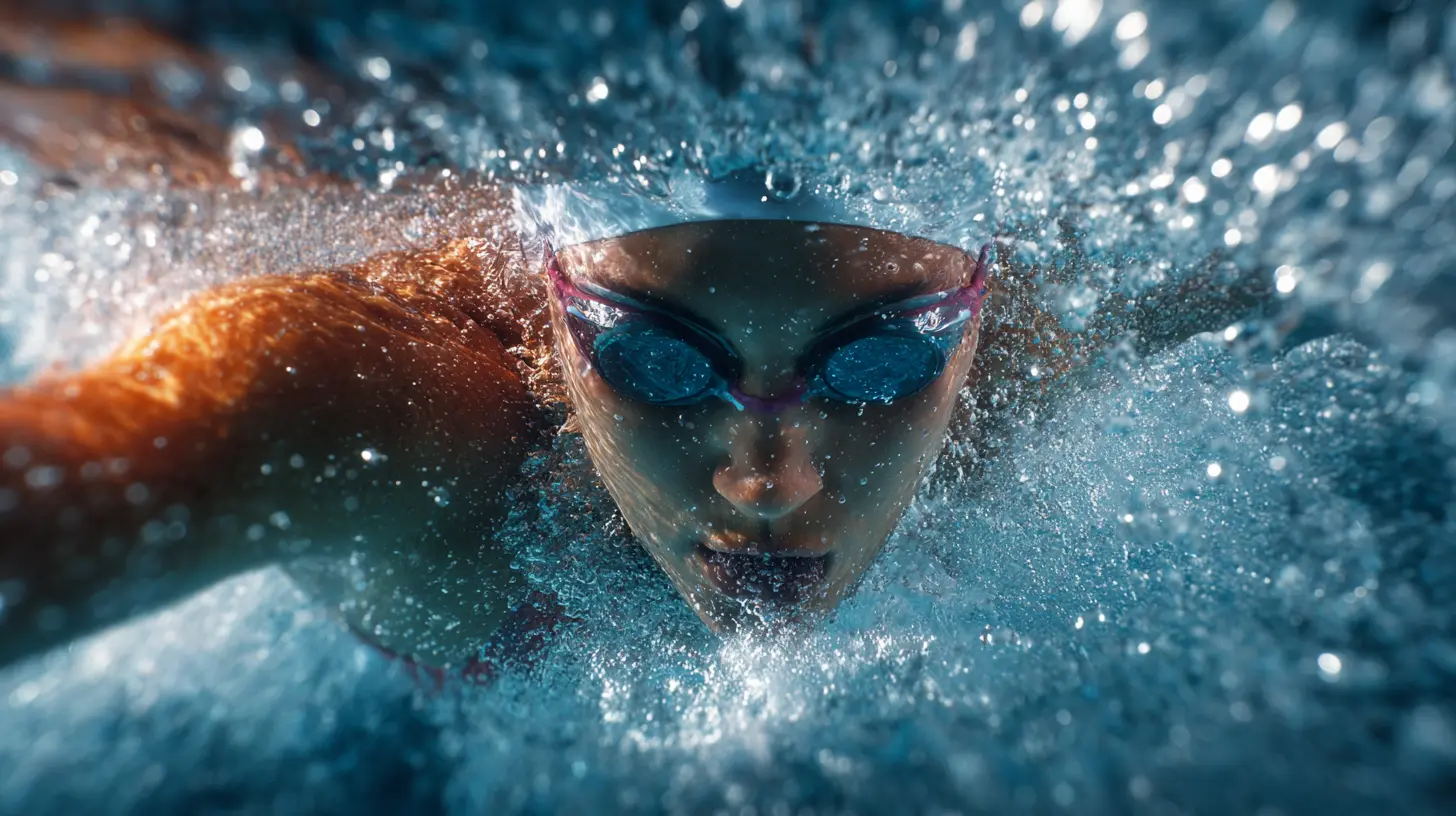
What Is Cross-Training, Anyway?
Before we get too far ahead, let’s break it down. Cross-training simply means blending different types of workouts into your routine instead of just focusing on one. So, for a swimmer, it means adding in a mix of other exercises—think running, cycling, weightlifting, yoga—whatever helps your overall athletic performance.Imagine only ever eating one type of food. Sure, it might be your favorite dish, but eventually, your body would start craving something else. That’s exactly how your muscles feel when all you do is swim.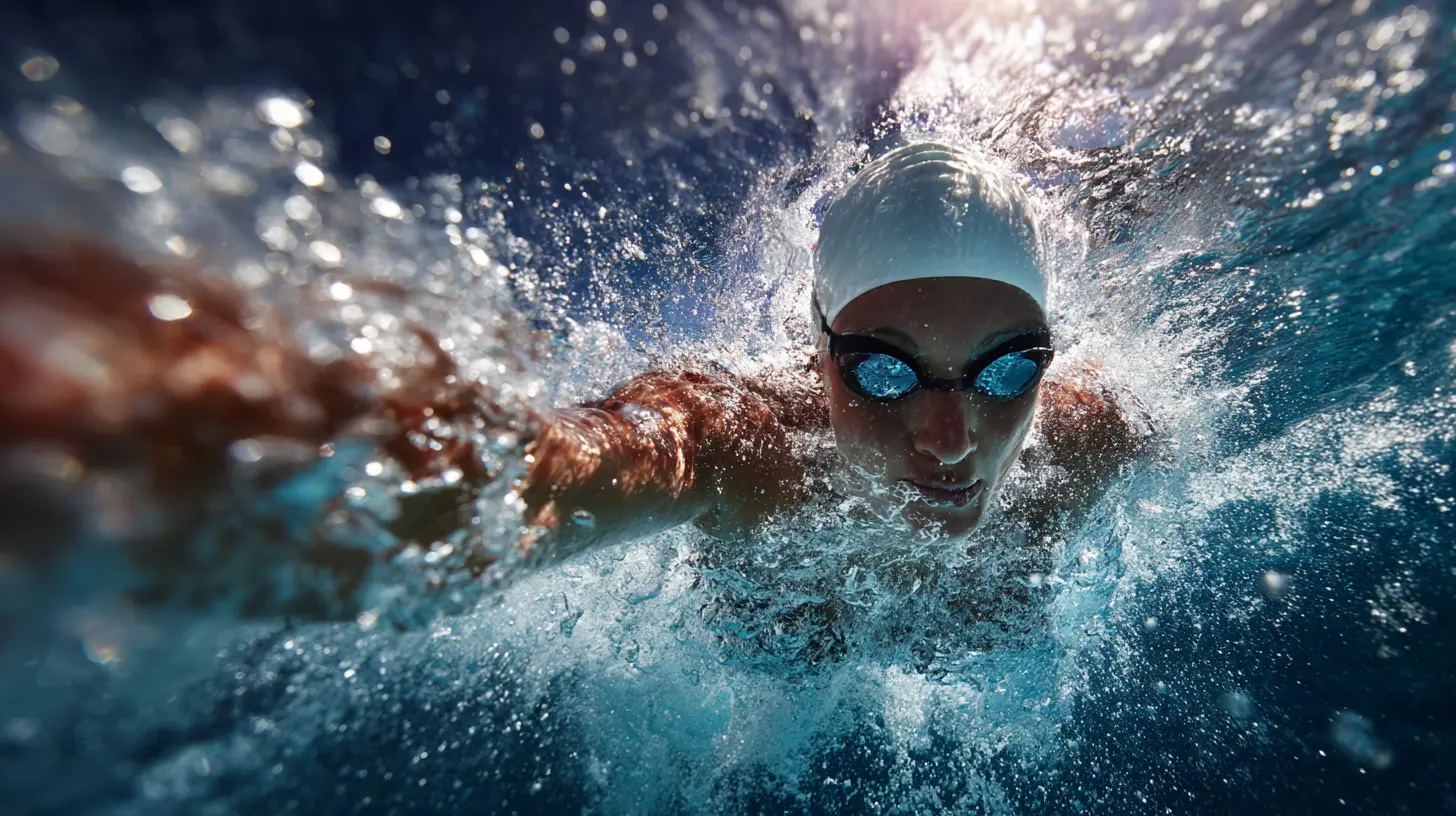
Why Swimmers Need More Than Just Swimming
Swimming is a full-body, low-impact workout. That’s awesome. But it also means certain muscles can get overused while others get lazy and underdeveloped. Relying solely on swimming could lead to plateaus, imbalances, even overuse injuries.By introducing cross-training, you're essentially giving your body a more well-rounded fitness buffet. Here’s why that matters…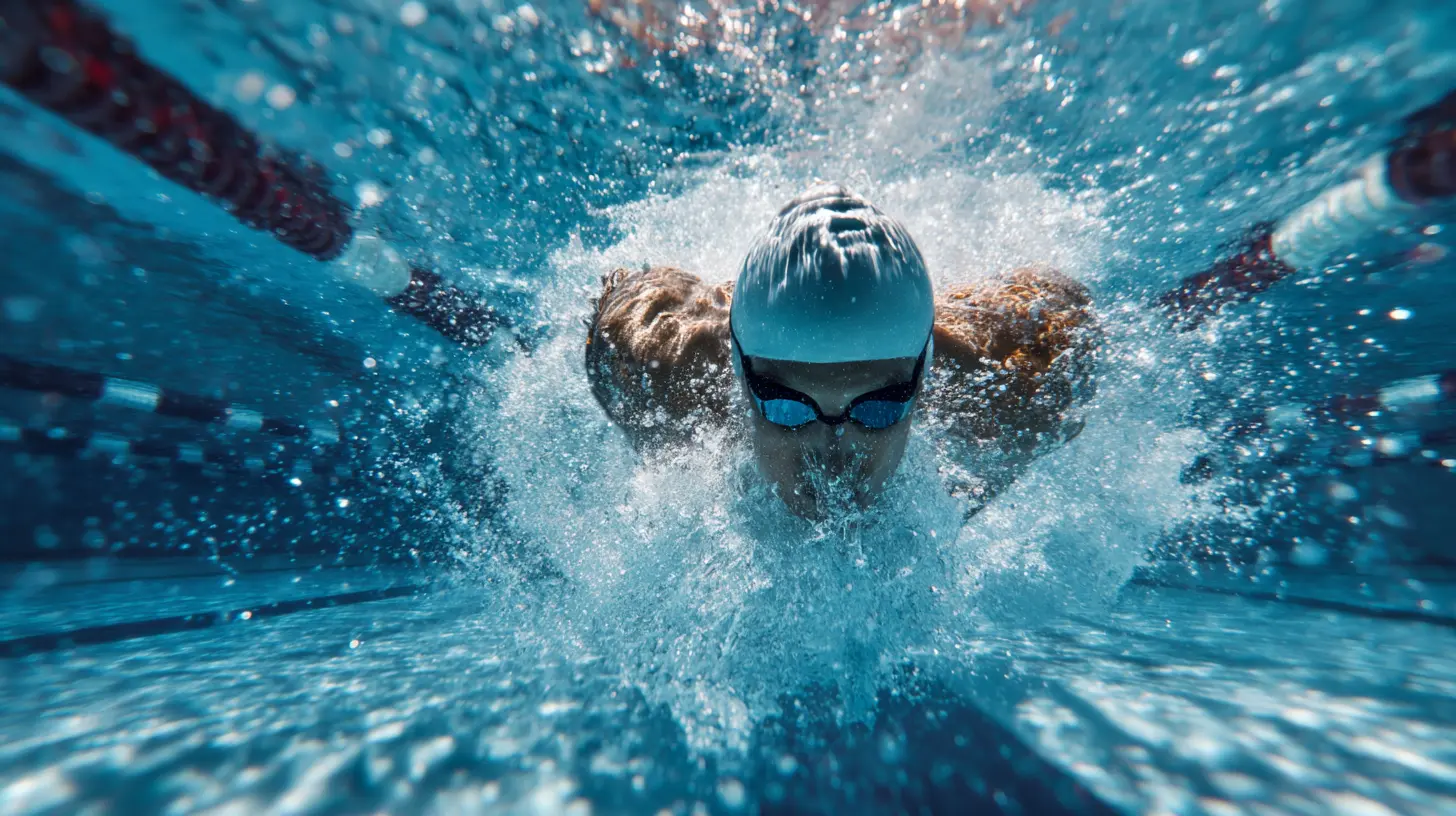
1. Injury Prevention: Protect Those Shoulders!
Let’s be real—shoulder injuries are super common among swimmers. Why? Because most swim strokes heavily rely on shoulder rotation and strength. Without enough variation, those joints get worn out over time.Cross-training helps fix that. Strength training, for example, builds muscle around the joints, offering more support. Meanwhile, stretching-based workouts like yoga or Pilates improve flexibility and balance, reducing your risk of those pesky overuse injuries.
Tip: Focus on exercises that strengthen your rotator cuff, core, and lower back—areas swimmers often neglect.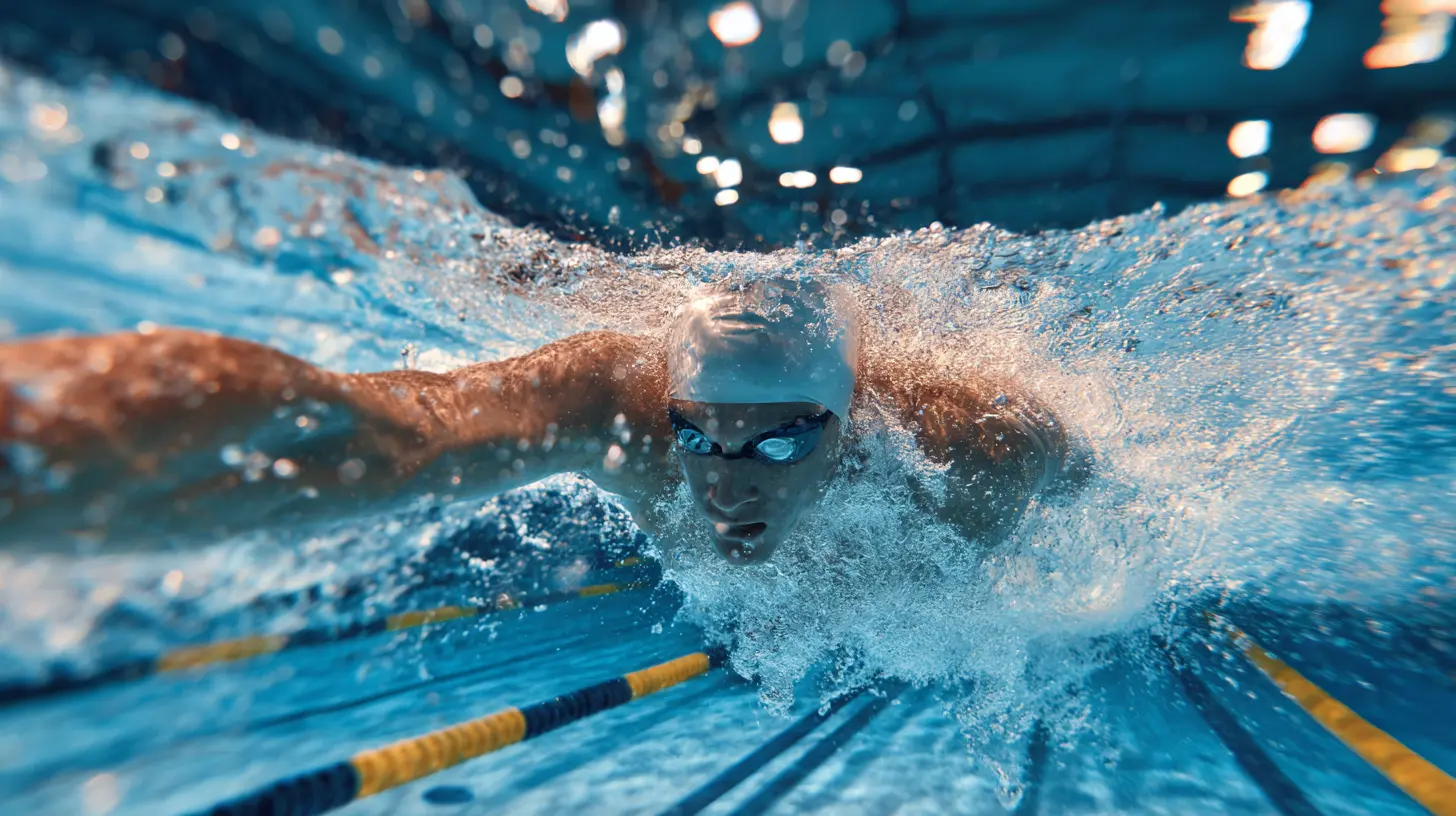
2. Strengthen Muscles You Didn’t Know You Had
Swimming is amazing for endurance and cardiovascular health, but it doesn’t hit every muscle equally. That’s where cross-training shines.Ever tried a deep squat and suddenly realized your glutes and hamstrings were seriously asleep? Yeah, that was your lower body asking for attention.
Incorporating dryland workouts like squats, lunges, push-ups, and planks will balance your muscle groups. The stronger and more balanced your body is, the more power you can push through the water.
Think of your body as a ship in the water—the stronger and more balanced it is, the faster and more efficiently it sails.
3. Boost Cardiovascular Endurance
Sure, swimming is a killer cardio workout, but mixing things up keeps your heart guessing—and that’s a good thing.Adding in running, rowing, or cycling gives your heart a different type of challenge. Your lungs work harder in new ways, improving your VO2 max (that’s a fancy term for how much oxygen your body can use during exercise). In short? You’ll swim longer without gassing out.
Quick Hack: Try interval training on a spin bike or a treadmill. It simulates the intensity of a swim race without getting wet!
4. Mental Breaks Keep Things Fresh
Let’s admit it—doing laps all the time can get a little... boring. Same pool, same strokes, same drills.Cross-training gives your brain a breather. Switching up your routine with a trail run or a high-energy Zumba class can light a fire under your motivation. It’s like giving your mind a mini vacation, and you'll come back to the pool feeling recharged.
Plus, mastering a new skill (hello, kettlebell swings or yoga headstands) boosts confidence—and that confidence spills over into your swimming performance.
5. Helps with Weight Management
Swimming burns tons of calories, yes—but because it’s low-impact and you're mostly horizontal, your body doesn’t feel as taxed. On land, gravity is in full force, and that makes exercises like running and strength training more efficient calorie-burners.Balancing swimming with high-intensity land workouts helps manage body fat and builds lean muscle mass. That lean mass, in turn, boosts metabolism. Win-win!
So, if you're aiming for better body composition and performance, cross-training is your secret weapon.
6. Enhances Flexibility and Mobility
Tight hips? Stiff shoulders? Limited range of motion can mess with your swim technique big time.Yoga and mobility-focused workouts improve flexibility, balance, and joint mobility. You’ll glide through the water instead of muscling your way through each stroke.
Fun Fact: Michael Phelps practices stretching before and after every workout. If it’s good enough for him…
7. Builds Core Stability for Better Technique
Your core is your powerhouse in the pool. It stabilizes your body, helps with rotation, and keeps your body aligned.Cross-training exercises like Pilates, TRX suspension training, or even simple planks and leg lifts can seriously enhance your core strength.
The result? More efficient strokes, better body positioning, and improved overall speed.
8. Speeds Up Recovery
Recovery is just as important as training. Without it, your performance tanks and risks of injury skyrocket.Low-impact cross-training activities like yoga, light cycling, or aqua jogging help flush out lactic acid and improve blood flow. That means less soreness and quicker recovery.
Rest days don’t have to mean couch potato mode—active recovery with the right kind of cross-training can help your body bounce back faster.
9. Helps Break Through Performance Plateaus
Ever felt like no matter how hard you train in the pool, your times just won’t budge?That could be your body’s way of saying, “Give me something new!” Cross-training introduces varied stimulus to your muscles and central nervous system. It wakes your body up and shocks it into growth.
By switching up your training modalities, you challenge your muscles in new ways—and that can be the key to breaking through those stubborn plateaus.
10. Develops Mental Toughness
Some cross-training workouts are just plain tough. Ever tried to push through a hill sprint when your legs are screaming? That grit and grind build mental toughness.And guess what? That mental strength shows up when you’re trying to finish strong in the final 50 meters of a race. Cross-training builds resilience, determination, and the ability to fight through fatigue—skills that every swimmer needs.
Smart Cross-Training Ideas for Swimmers
Now that you’re on board, let’s look at some awesome cross-training options that pair well with swimming.?️ Strength Training
Focus on compound movements: squats, deadlifts, bench presses, rows, and pull-ups. Aim for 2-3 sessions per week.? Yoga or Pilates
These improve flexibility, balance, breath control, and mental focus. Even 20 minutes a day can make a big difference.? Running or Cycling
These boost cardiovascular endurance and leg strength. Great for building stamina without overloading your upper body.? Active Recovery (Foam Rolling, Walking, Mobility Work)
Perfect for off-days or between intense swim workouts. Keeps blood flowing and muscles happy.How to Integrate Cross-Training Without Burning Out
Balance is key. Don’t go from 5 swim sessions a week to adding five other workouts. You’ll burn out or get injured. Instead, start slow.Try something like this:
- Monday: Swim
- Tuesday: Strength Training
- Wednesday: Swim + Yoga
- Thursday: Run or Bike
- Friday: Swim or Active Recovery
- Saturday: Rest or Light Mobility Work
- Sunday: Long Swim or Fun Cross-Training Session (like a hike or team sport)
Listen to your body. If you’re extra sore or run-down, it’s okay to swap a hard workout for a gentle recovery day.
Final Thoughts: Swim Smarter, Not Just Harder
Cross-training isn’t about doing more—it’s about doing better. It adds depth, balance, and variety to your training routine. It plugs the gaps that swimming alone can’t always cover.So if you're serious about improving your strokes, building endurance, and staying injury-free, it's time to step outside the pool—at least every now and then. Trust me, your body (and your times) will thank you.
Stay strong. Swim smart. Train like a champion.
all images in this post were generated using AI tools
Category:
SwimmingAuthor:

Everett Davis
Discussion
rate this article
2 comments
Leah Lamb
Cross-training sounds intriguing! I'm curious about how different activities can enhance swimming performance and overall fitness.
August 18, 2026 at 2:27 AM
Everett Davis
Cross-training can boost swimming by building strength, improving flexibility, and enhancing endurance. Activities like running and yoga target different muscle groups and help prevent injury, making you a well-rounded athlete.
Helen Lane
Great article! It's inspiring to see how cross-training can enhance a swimmer's performance while preventing injuries. By diversifying workouts, athletes not only improve their strength and flexibility but also keep their routines fresh and engaging. Thanks for sharing these valuable insights that can help swimmers thrive in their journey.
May 11, 2026 at 4:40 AM
Everett Davis
Thank you for your kind words! I'm glad you found the insights valuable. Cross-training really does make a difference for swimmers.