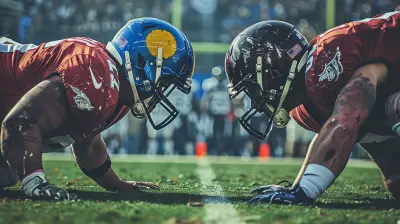
Inside Look at Preseason Joint Practices in 2026
17 September 2026
The NFL preseason has been changing for years, and by 2026 the joint practice has become the centerpiece of how teams prepare for the regular season. What used to be a handful of scrimmages between old friends has turned into a carefully planned, heavily negotiated, and widely covered part of the summer calendar. Fans now treat these sessions almost like games. Coaches treat them like controlled experiments. Players treat them as the closest thing to real football before the games count.
This article takes a close look at how joint practices work in 2026, why teams value them, where they go wrong, and what the future likely holds. It is written for the reader who wants more than a highlight clip. It is for the person who wants to understand the strategy, the logistics, and the human side of two professional rosters sharing a field in August.
What Joint Practices Actually Are
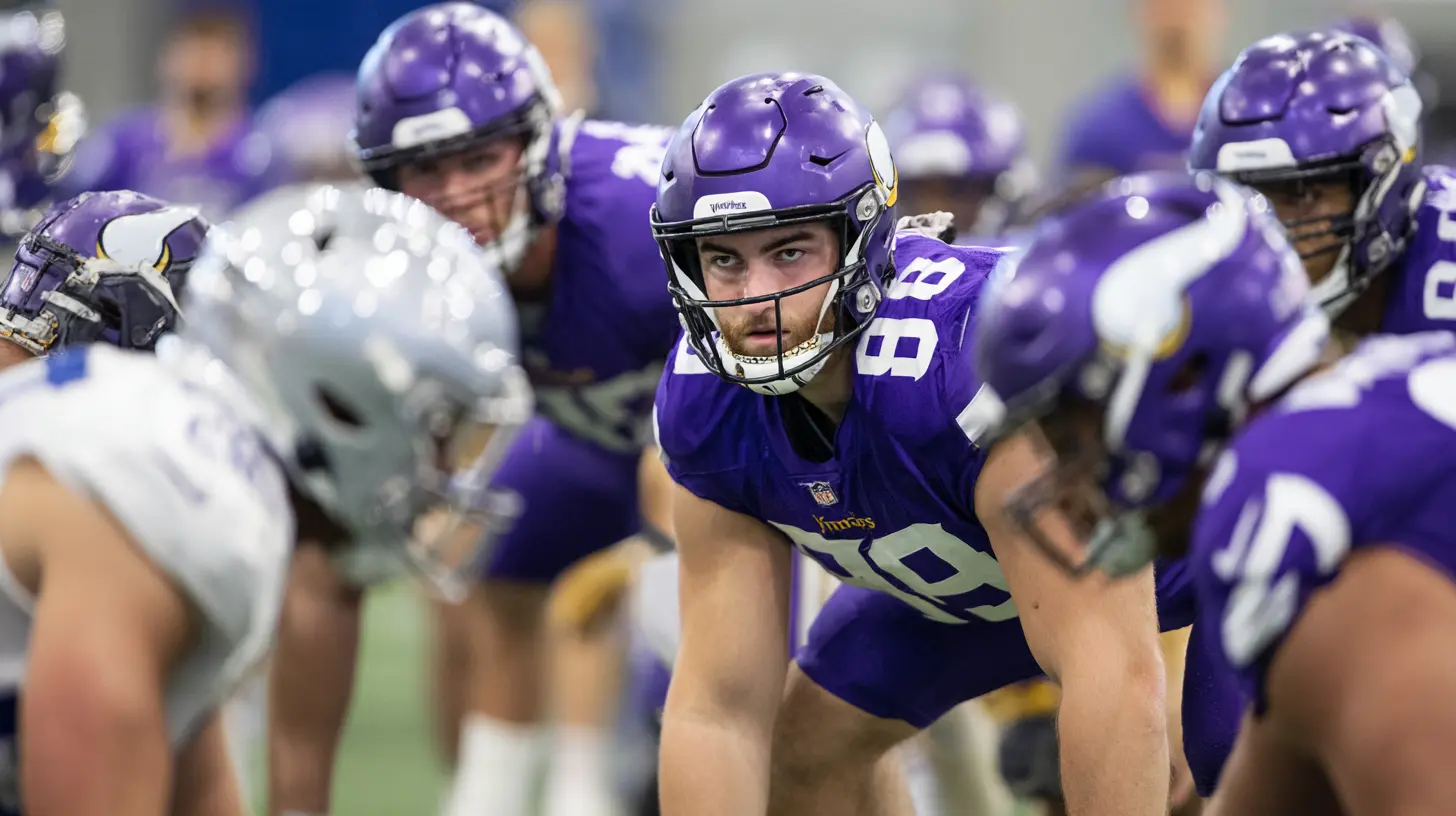
A joint practice is a scheduled workout between two NFL teams, usually held at one team's training facility or at a neutral site. The teams practice together for one or more days, often followed by a preseason game that weekend. The format varies, but the core idea is simple: instead of hitting your own teammates, you hit someone else.That sounds minor. It is not. During training camp, players go against the same faces every day. The offensive line knows the defensive line's moves. The receivers know the cornerbacks' tendencies. The intensity is real, but the unfamiliarity is gone. Joint practices break that comfort. A rookie cornerback suddenly lines up across from a five-time Pro Bowl receiver. A backup quarterback gets reps against a defensive scheme he has never seen. A special teams unit faces live returners who are fighting for jobs.
The NFL's collective bargaining agreement allows these sessions, and teams have increasingly used them since the early 2000s. By 2026, most teams schedule at least one joint practice, and many schedule two. Some teams pair up annually, creating informal rivalries. Others rotate opponents to get different looks.
Why Teams Schedule Them
The reasons are practical, competitive, and financial.Competitive Value
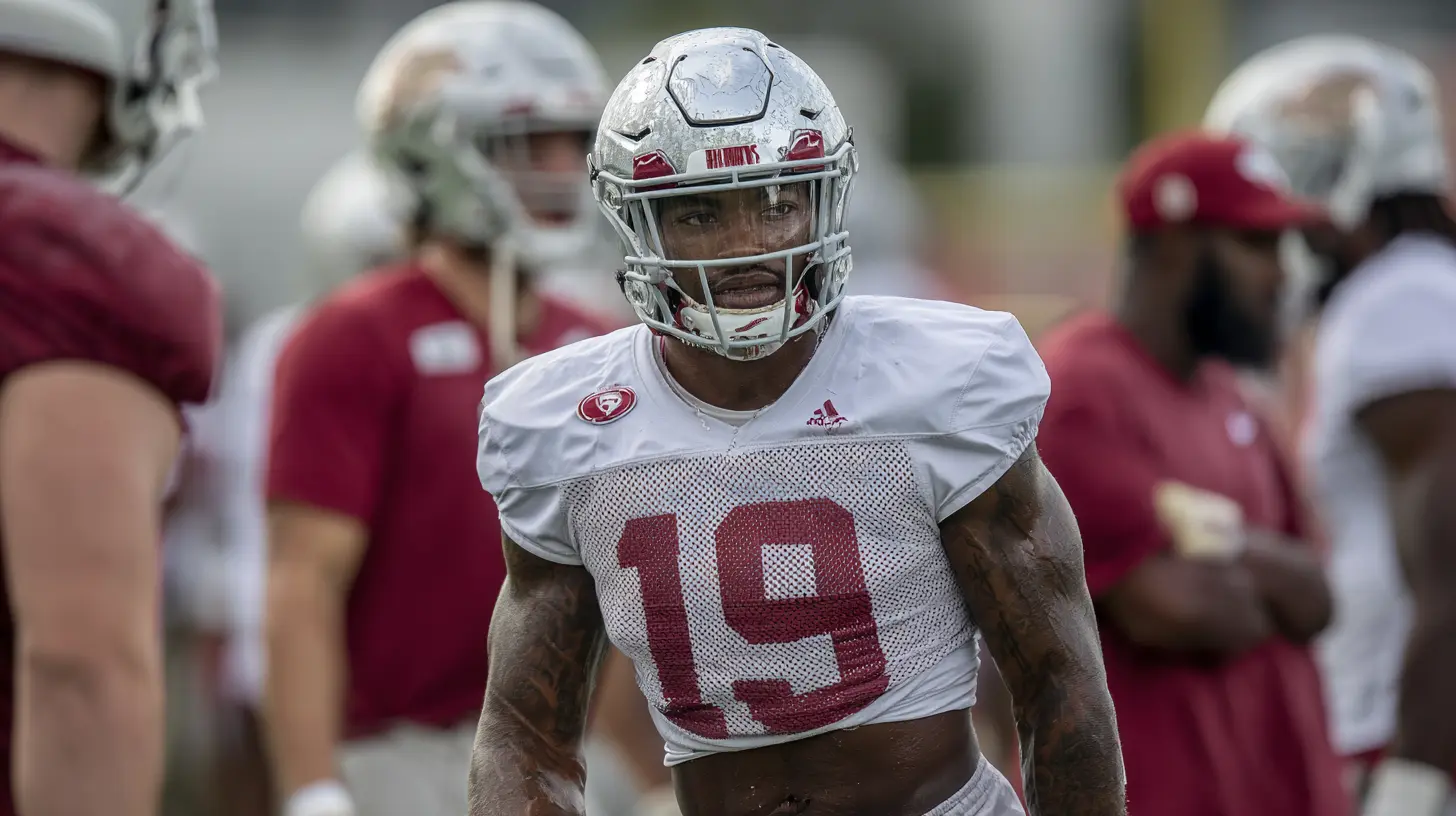
The biggest reason is evaluation. Coaches need to see how players perform against unfamiliar competition. A third-string linebacker might dominate in camp against teammates who are also learning the system. Put him against another team's starting fullback and the truth comes out faster.Joint practices also let coaches script specific situations. In a preseason game, the flow is unpredictable. In a joint practice, a coach can say, "We are going to run 12 red zone plays, then 10 third-down plays, then 8 two-minute drills." That control is valuable. It lets a team stress-test a specific weakness, like goal-line defense or blitz pickup.
There is also the scouting element. Coaches get to see another team's scheme up close. They watch how an opponent lines up, how it communicates, how it adjusts. That information can be useful later in the season, though teams are careful not to show too much of their own hand.
Physical and Mental Conditioning
Training camp is a grind. Joint practices raise the intensity in a way that is hard to replicate. The tempo is faster. The hitting is harder. The trash talk is real. Players who coast in camp often get exposed.Veterans sometimes prefer joint practices to preseason games because the work is more controlled. A veteran edge rusher might get 25 quality reps in a joint practice instead of 10 snaps in a game where he is pulled after one series. That volume matters for sharpening technique.
Business and Fan Interest
Joint practices also generate revenue and attention. Teams sell tickets to these sessions. Local businesses benefit. Media coverage increases. For teams with large fan bases, a joint practice in another city can feel like a mini road game.In 2026, some teams have turned joint practices into multi-day events with fan festivals, autograph sessions, and youth clinics. The football is still the point, but the surrounding machinery has grown.
How a Joint Practice Is Structured
No two joint practices are identical, but most follow a similar rhythm.The Days Before
Coaches and general managers communicate weeks in advance. They agree on dates, locations, practice rules, and what will be off-limits. Some teams agree not to run certain blitzes. Others agree to limit hitting on specific players. These agreements are not formal contracts, but breaking them can damage relationships.Logistics are complex. Two full rosters, plus coaches, trainers, equipment staff, and media, need space. Locker rooms, meeting rooms, and practice fields must be shared. Food service must handle double the demand. Security must manage fans and media.
The Practice Itself
A typical joint practice day starts with separate warmups. Each team runs its own routine. Then the teams come together for specific periods.- Individual drills: Position groups work separately, sometimes with players from both teams mixed in.
- One-on-one drills: Receivers versus cornerbacks, offensive linemen versus defensive linemen. These are the most competitive and most watched periods.
- Team drills: Full offense versus full defense. These are scripted. Coaches decide the down, distance, and situation.
- Special teams: Punt, punt return, kickoff, and field goal periods. These are often the most physical because players are fighting for roster spots.
The Rules of Engagement
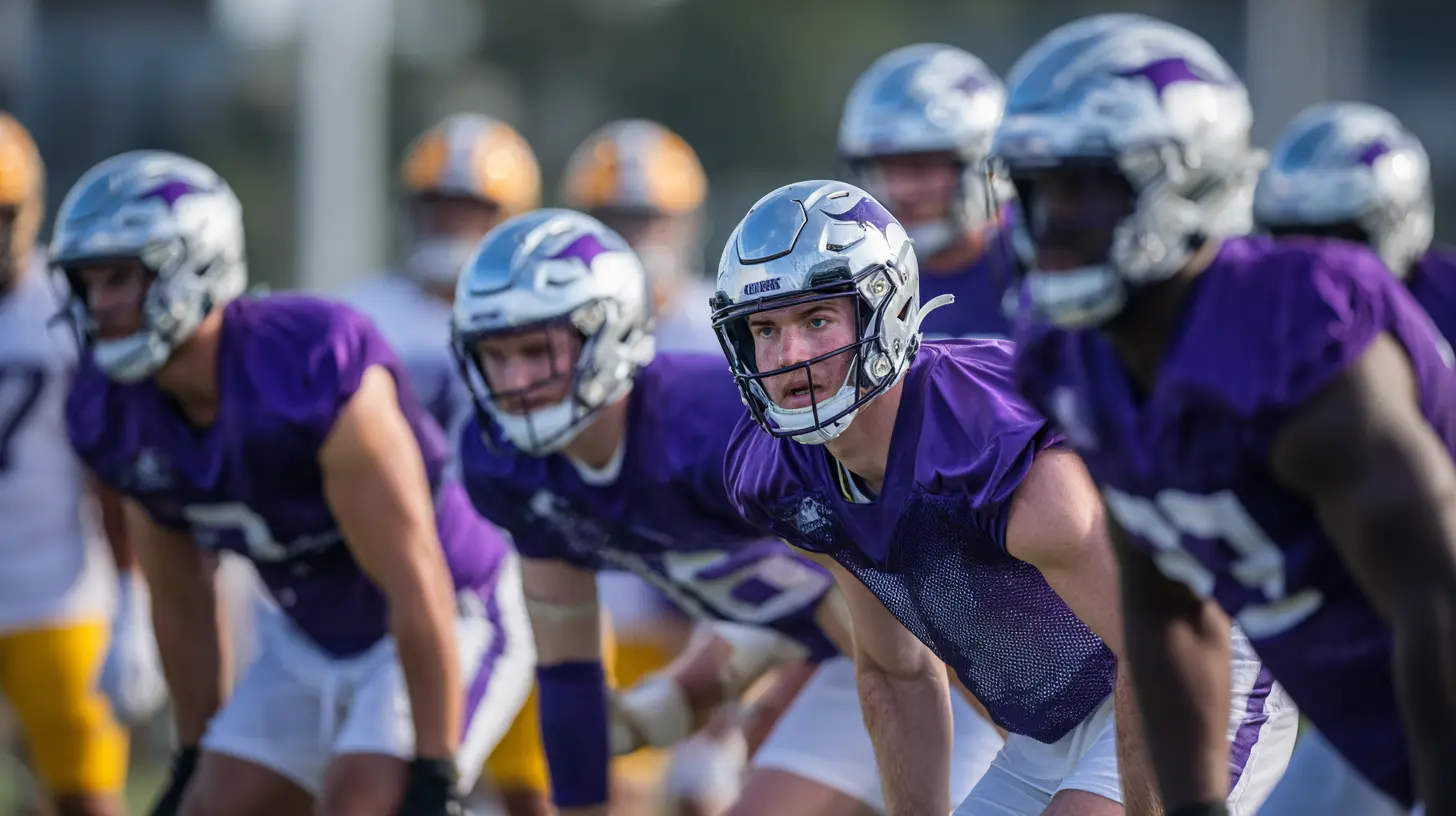
Every joint practice has unwritten rules. Do not take a cheap shot. Do not celebrate excessively. Do not embarrass an opponent. If a fight breaks out, it is usually broken up quickly, and coaches on both sides talk afterward.In 2026, many teams use a "thud" tempo for most team periods, meaning defenders wrap up but do not take players to the ground. Live tackling is reserved for specific periods or avoided entirely. This reduces injury risk, but it also changes how evaluators judge players. A linebacker who looks great in thud tempo might struggle when tackling is live.
The Benefits in Detail
Better Evaluation of Young Players
Rookies and second-year players benefit most. In camp, they are learning the playbook and trying not to make mistakes. In a joint practice, they get a true test. A rookie offensive tackle who holds his own against a veteran edge rusher gains confidence. A rookie quarterback who reads a complex coverage and completes a pass proves he belongs.Coaches often say they learn more about a player in one joint practice than in two weeks of camp. That is not an exaggeration. The unfamiliarity forces players to rely on fundamentals and instincts rather than memorized tendencies.
Improved Team Chemistry
Joint practices also build chemistry. When two teams practice together, players from opposing sides often talk between periods. They share tips. They ask about schemes. These conversations can be valuable, especially for young players who are trying to understand how other teams operate.There is also a bonding effect within each team. Going against an outside opponent can unite a locker room. Us-versus-them is a powerful motivator.
A Safer Alternative to Preseason Games
Preseason games have become less important for veteran evaluation. Many starters play only a series or two. Joint practices give coaches more controlled reps with less risk of injury from game situations like kickoff returns or scrambling quarterbacks.That said, joint practices are not risk-free. Injuries happen. Tempers flare. But the controlled environment generally makes them safer than live games.
The Drawbacks and Risks
Injury Risk
The biggest concern is injury. When two teams practice together, the intensity rises. Players who are trying to make a roster may play recklessly. A fight can lead to a suspension or a fine. A missed block can lead to a season-ending injury.Teams try to manage this by limiting live periods and resting key players. But injuries still happen. In recent years, several high-profile players have suffered injuries in joint practices, sparking debate about whether the format is worth it.
Competitive Disadvantage
There is also a strategic risk. If you show too much of your scheme, an opponent can use it against you later. Coaches are careful, but it is impossible to hide everything. Some teams refuse to run certain plays in joint practices for this reason.There is also the risk of giving away information about your players. If a rival sees that your third-string cornerback is a liability, it might target him in a future game. That is a minor concern, but it exists.
Logistical and Financial Costs
Hosting a joint practice is expensive. Travel, lodging, food, and security add up. For smaller-market teams, the cost may not be worth the benefit. Some teams prefer to scrimmage against themselves or hold a scrimmage at a local high school instead.There is also the time cost. A joint practice disrupts the normal camp schedule. Players and coaches lose meeting time. For teams installing a new system, that lost time can be significant.
Common Mistakes Teams Make
Overdoing the Intensity
Some coaches treat joint practices like a playoff game. They run live tackling for hours. They encourage trash talk. They let fights happen. This can backfire. Players get hurt. Tempers boil over. The relationship between the two teams sours.The best coaches treat joint practices as a teaching tool, not a war. They set clear rules. They pull players who are too amped up. They emphasize technique over winning.
Ignoring the Opponent's Needs
A joint practice is a partnership. If one team dominates the format, the other team gains nothing. Smart coaches rotate periods so both teams get the looks they need. They ask the other coach what he wants to work on. They adjust.Teams that ignore this principle often find it hard to schedule future joint practices. Reputation matters.
Failing to Prepare Players
Players need to know the rules before they step on the field. What is allowed? What is not? How many reps will they get? Who is off-limits? Coaches who skip this step risk confusion and injury.A good pre-practice meeting covers everything: tempo, hitting rules, emergency procedures, and expectations for behavior.
Best Practices for 2026
Communicate Early and Often
The best joint practices are planned months in advance. Coaches talk on the phone. They exchange practice scripts. They agree on what will be run and what will not. This reduces surprises and builds trust.Prioritize Player Safety
Safety should never be negotiable. Use thud tempo for most periods. Limit live tackling to short, controlled sessions. Have trainers and doctors on standby. Encourage players to report injuries immediately.Create Competitive but Respectful Environments
Competition is good. Disrespect is not. Coaches should model good behavior. They should praise good plays from both teams. They should pull players who cross the line.Use the Opportunity to Teach
Joint practices are not just about evaluation. They are about teaching. Coaches can use the unfamiliar opponent to illustrate points about scheme, technique, and decision-making. A quarterback who throws an interception can learn why the coverage fooled him.Measure What Matters
Not every rep is equal. Coaches should focus on specific metrics: completion percentage under pressure, yards per carry in short-yardage situations, penalties, and assignment errors. These numbers tell a clearer story than highlight-reel plays.
What Players and Coaches Say
Players generally enjoy joint practices. They like the change of pace. They like testing themselves against someone new. Veterans appreciate the controlled reps. Rookies appreciate the exposure.Coaches are more divided. Some love the evaluation value. Others worry about injuries and lost practice time. Most agree that joint practices are here to stay, but they want them to be managed carefully.
One common sentiment is that joint practices are more useful than the first preseason game. The reps are more meaningful. The coaching is more direct. The stakes are lower, but the learning is higher.
The Future of Joint Practices
By 2026, joint practices have become a standard part of the NFL calendar. But they are still evolving.Some teams are experimenting with multi-team practices, where three or four teams gather at one site. This creates more variety but also more logistical challenges. Others are using technology to track reps and monitor player load. Wearable devices and video analysis tools are helping coaches make better decisions.
There is also talk of expanding joint practices to include more fan engagement. Some teams are holding open practices with autograph sessions and youth clinics. This builds goodwill and generates revenue.
The biggest question is whether joint practices will eventually replace some preseason games. The NFL has already reduced the preseason to three games. Some coaches would prefer to eliminate the fourth game entirely and add more joint practices. Others argue that games are still the best test of game readiness.
The likely outcome is a hybrid. Teams will use joint practices for evaluation and teaching. They will use preseason games for final roster decisions and game-condition reps. Both have value. Neither is perfect.
Practical Advice for Coaches and Analysts
If you are a coach at any level, here are some takeaways you can apply.- Plan the practice like a game. Script your periods. Know what you want to see.
- Set clear rules. Tell players what is allowed and what is not.
- Rotate periods. Make sure both teams get the looks they need.
- Prioritize safety. Use thud tempo. Limit live tackling.
- Measure specific skills. Do not just watch the highlight plays.
- Debrief afterward. Ask players what they learned. Ask coaches what they saw.
If you are an analyst or fan, here is how to watch a joint practice more intelligently.
- Focus on one-on-one drills. They reveal the most about individual ability.
- Watch the trenches. Offensive and defensive line play decides games.
- Track specific players. Follow a rookie or a backup quarterback for a full period.
- Ignore the score. Joint practices are not about winning. They are about learning.
- Look for communication. How do players talk to each other? How do coaches correct mistakes?
Conclusion
Joint practices are not a perfect solution. They carry injury risk, logistical headaches, and strategic trade-offs. But they offer something that training camp and preseason games cannot: a controlled, competitive environment where players and coaches can test themselves against unfamiliar opponents.In 2026, the best teams treat joint practices as a tool, not a spectacle. They plan carefully. They communicate openly. They prioritize safety. They measure what matters. They learn from every rep.
For fans, joint practices offer a fascinating glimpse into how teams prepare. For coaches, they offer a chance to evaluate, teach, and build. For players, they offer a chance to prove they belong.
The preseason will keep changing. But the joint practice, done right, is likely here to stay.
all images in this post were generated using AI tools
Category:
Preseason AnalysisAuthor:

Everett Davis