Memorable Buzzer Beaters and Broken Dreams – NBA Playoffs 2027
30 September 2026
The 2027 NBA Playoffs delivered something the league had not produced in years: a postseason where the final two minutes mattered more than the first forty-six. Shot-making at the horn became the defining currency of the bracket, and the teams that could not manufacture a clean look in the closing seconds paid for it with their seasons. What follows is not a highlight reel recap. It is a breakdown of how those moments actually happened, why certain teams were built to survive them, and where the rest of the league went wrong.
Why Buzzer Beaters Defined This Postseason
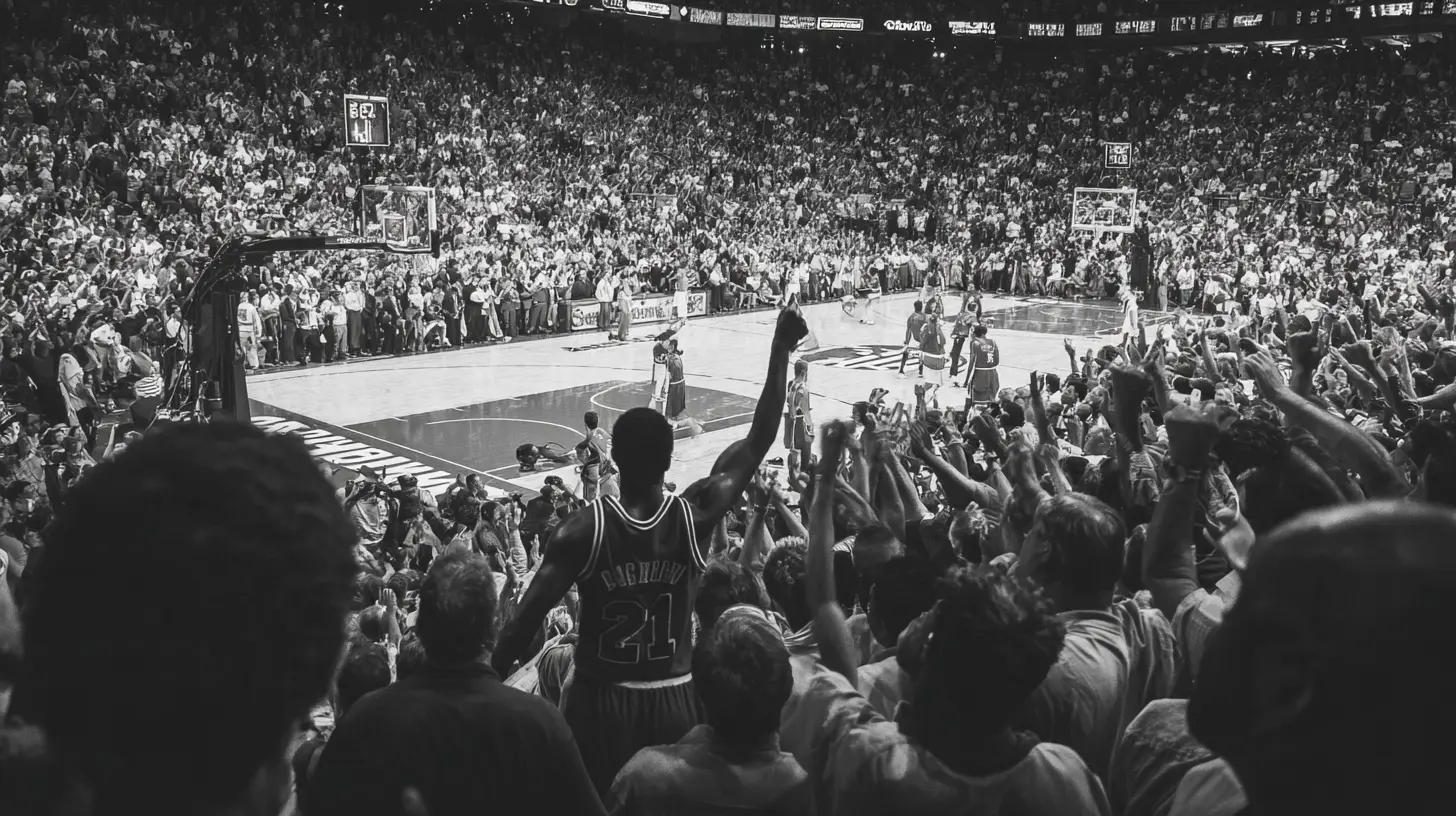
Every playoff year has drama. The 2027 edition had a structural reason for it. Rule enforcement on defensive contact stayed tight through the regular season, then loosened in the playoffs the way it always does. That shift normally favors defenses. This year it did not, because offenses had spent eighty-two games learning to operate in space and had built rosters around quick decision-makers rather than isolation scorers.The result was a postseason where late-game possessions ran through motion rather than a single star holding the ball at the top of the key. That change explains why so many games ended at the horn. When the ball moves, the final shot often finds an unexpected shooter, and defenses cannot load up on one player.
There is a tradeoff here worth naming. Motion offense produces better late-game looks on average, but it also produces more turnovers in high-pressure moments. Teams that committed to it accepted the risk. Teams that abandoned it for isolation basketball in the fourth quarter generally lost.
The Anatomy of a Great Buzzer Beater
A buzzer beater is not luck. It is the visible end of a chain of decisions that started well before the ball was inbounded.Time, Score, and Situation
The first variable is always the clock. A tie game with three seconds left changes everything. You do not need a three. You need any clean look, and you need it fast enough that a miss still leaves a chance at a tip-in. Down by three with the same three seconds, you need a catch-and-shoot three, which means your best shooter has to be the inbounder's first read, not a decoy.Most fans watch the shot. Coaches watch the clock management that preceded it. A team that burns its final timeout at the wrong moment, or fails to advance the ball past half court, has already lost the possession before anyone shoots.
The Inbounder's Read
The passer is the most underrated player in these moments. A great inbounder scans three options in sequence: the primary cut, the flare screen, and the safety valve. The best ones read the defense's leverage before the referee hands them the ball.In 2027, the teams that converted late-game inbound plays shared one trait. Their inbounders were not their best scorers. They were their best passers, often a secondary guard or a big man with vision. This is a deliberate design choice, and it is one more teams should copy.
The Shot Itself
Contested fadeaways are the least efficient late-game shot in basketball. They look heroic and they convert at a poor rate. The most reliable buzzer beaters come from three sources:- A catch-and-shoot three off a screen, where the shooter is already squared to the rim.
- A layup or floater created by a defensive breakdown, usually off a slip screen or a back cut.
- A putback, which requires crashing the offensive glass instead of retreating.
Notice what is missing. Isolation pull-ups. Those work for a handful of players in the league, and even for them the conversion rate in the final five seconds is not what fans imagine.
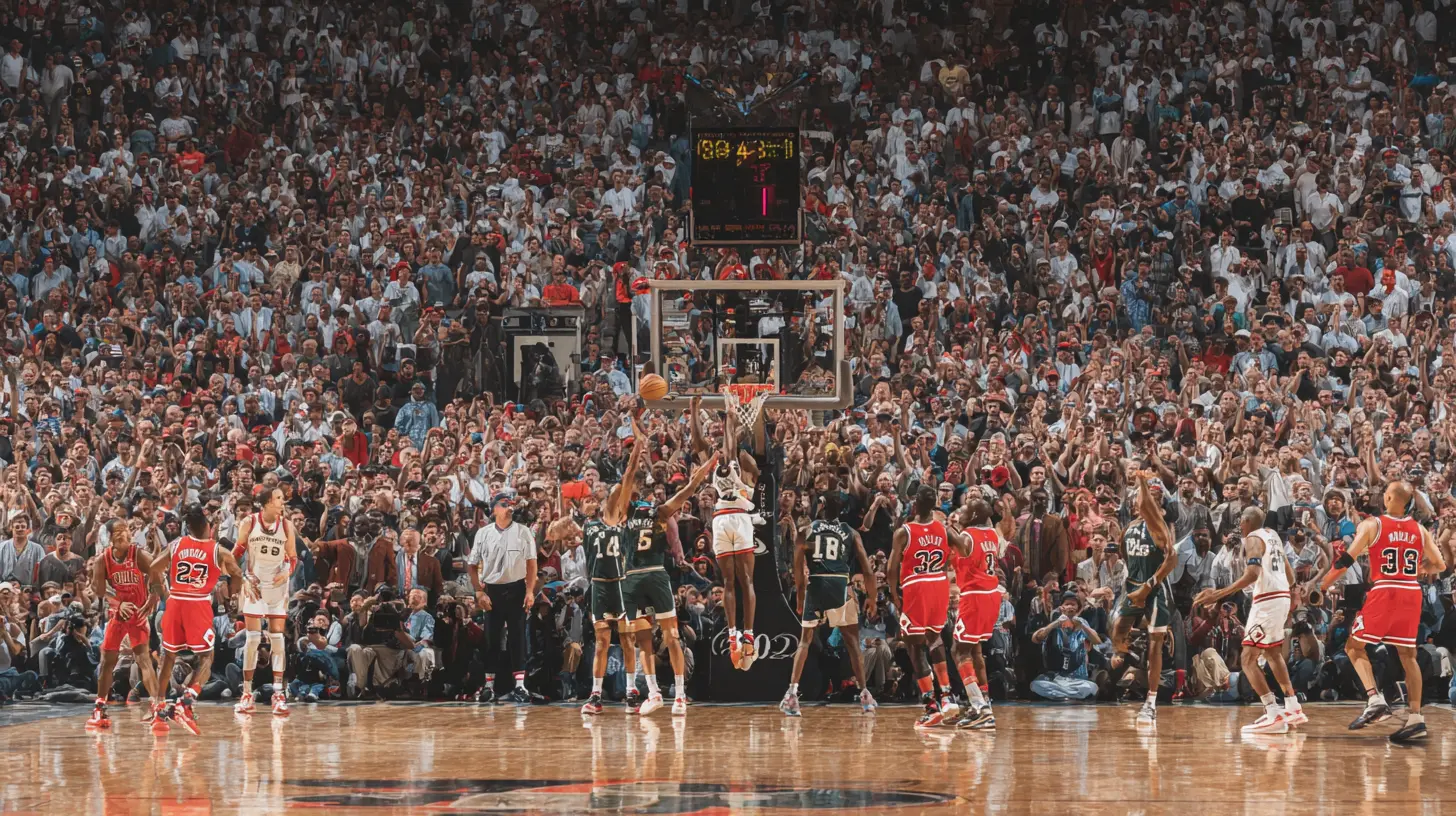
Broken Dreams: How Seasons Actually End
The flip side of the buzzer beater is the possession that never gets a shot off. Those moments are quieter and more damaging.The Empty Possession
An empty possession in the final ten seconds usually comes from one of three mistakes. A dribbler picks up the ball without a plan. A screen is set at the wrong angle, so the defense just switches. Or the offense runs a play designed for a two when it needs a three.That last one is the most common and the most maddening. Coaches draw up a play they trust, forgetting that the math has changed. Down three, a two is only useful if you can foul immediately and the other team misses free throws. Most of the time, you need the three.
The Foul That Was Not Committed
Teams also lose by failing to foul when trailing by three with under eight seconds. Coaches hesitate because they fear giving up an and-one or because they want to preserve a timeout. The math is clear: fouling before the shot goes up extends the game. Not fouling ends it.In 2027, at least two series turned on this exact hesitation. A team let the clock run out rather than send a seventy-percent free throw shooter to the line, and the season ended without a final shot attempt.
Fatigue and Decision Quality
Late-game execution degrades with fatigue. This is not a soft observation. It is measurable in how players move without the ball. Fresh legs cut hard. Tired legs drift.Teams that managed rotations well through the regular season had an edge in the closing minutes of playoff games. That edge shows up in small ways, like a shooter getting his feet set a half-second faster, or a defender recovering to contest a shot he would have given up on in December.
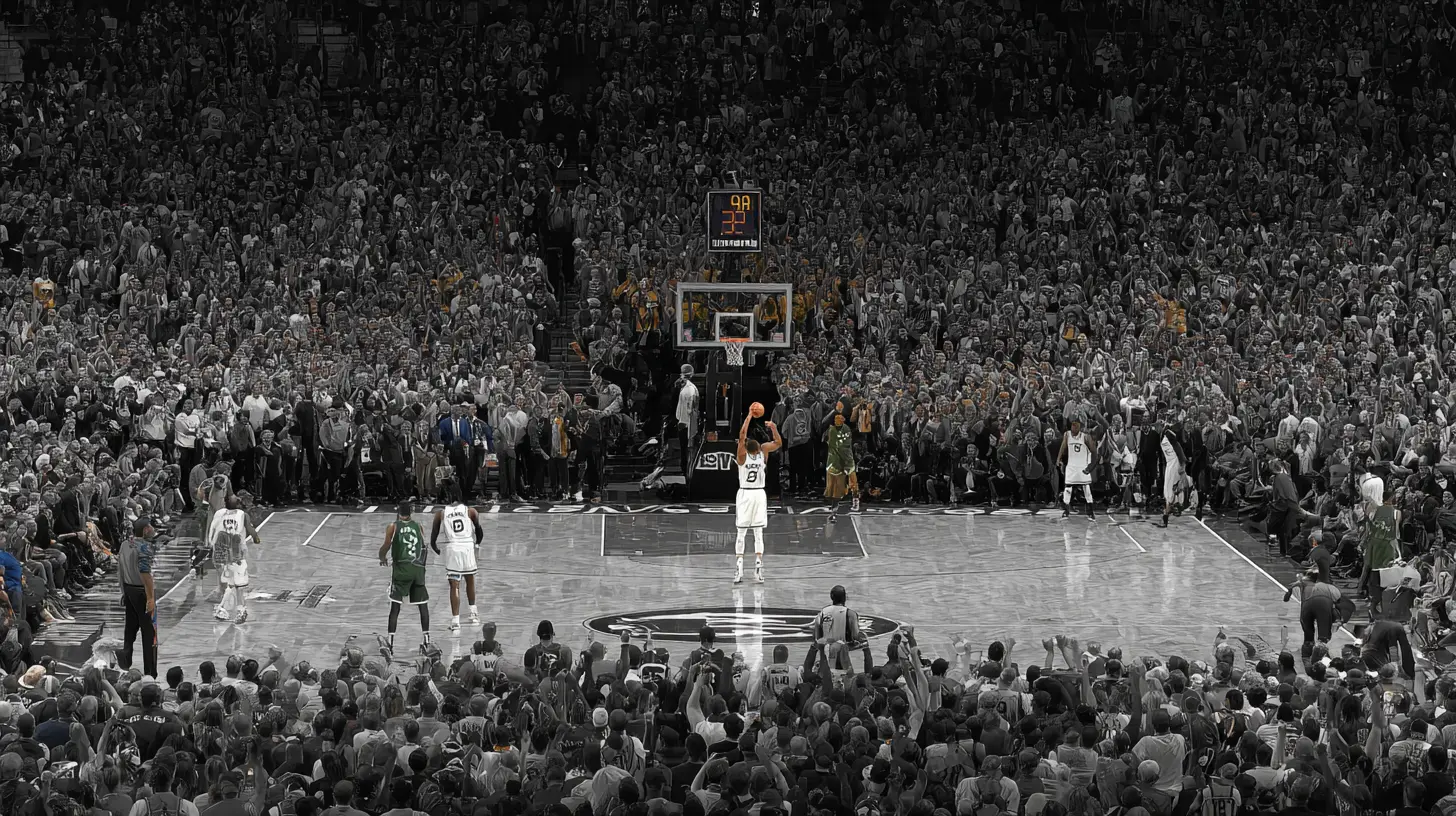
Building a Roster That Wins at the Horn
If late-game execution decides series, then roster construction should reflect that. Most teams still build for the first forty-four minutes and hope the last four take care of themselves. That is a mistake.The Three Skills That Matter Most
Three abilities separate good closing teams from bad ones.Shooting off movement. Not spot-up shooting. Movement shooting. A player who can catch and release while running off a screen gives a coach a weapon that works against any defense.
Decision-making under pressure. This is harder to scout. It shows up in assist-to-turnover ratio in close games, and in how often a player takes a bad shot late.
Defensive versatility. In the final possession, you cannot afford a weak link. A single poor defender forces the entire scheme to compensate, and smart offenses find that player every time.
The Cost of Overpaying for Isolation
A team that pays a max contract to a high-volume isolation scorer has committed to a style that struggles in the playoffs. That player can win regular-season games single-handedly. In the postseason, defenses load up, help arrives faster, and the efficiency drops.This does not mean isolation scorers are useless. It means they need to be paired with movement shooters and a passing big man who can punish the help defense. The tradeoff is real, and teams that ignore it end up watching the second round from home.
Coaching Decisions That Decide Series
Play-calling in the final ten seconds is where coaches earn or lose their reputations.Advance the Ball or Play It Out
When a team has a timeout and the ball with under ten seconds, the coach must decide whether to advance the ball to the frontcourt. Advancing gives you a cleaner look but lets the defense set up. Playing it out in the backcourt forces the defense to scramble but risks a turnover or a rushed shot.There is no universal answer. It depends on your personnel. A team with a fast, decisive guard should play it out. A team with a set play it trusts should advance and run it.
Foul Up Three or Defend
The debate over fouling when up three has raged for years. Both approaches have merit. Fouling prevents the tie but risks a four-point play if the shooter is in the act. Defending keeps the game in front of you but allows a clean look at a tie.The best practice is situational. If the opposing team's best shooter has the ball, foul early. If a poor free throw shooter has it, let the clock run and defend. This is not a rule. It is a read.
Common Misconceptions About Clutch Play
A few ideas about late-game basketball get repeated so often that people stop questioning them.Clutch Is Not a Personality Trait
Fans talk about players being "clutch" as if it were a fixed quality. In reality, late-game performance is mostly a function of shot quality and repetition. A player who gets clean looks late will convert them at a reasonable rate. A player forced into contested fadeaways will not, no matter how calm he looks.Ice in the Veins Is Mostly Preparation
The players who look calm in the final seconds are usually the ones who have rehearsed those situations hundreds of times. They have seen the coverage, they know the counter, and their body responds without conscious thought. That is not magic. It is repetition.One Shot Does Not Define a Career
A missed buzzer beater can follow a player for years in the public imagination. Internally, teams evaluate the process, not the result. A good look that rimmed out is a success. A bad shot that went in is a warning sign.Practical Takeaways for Coaches and Analysts
If you coach, evaluate, or simply want to understand late-game basketball better, these principles hold up across levels.1. Practice end-of-game situations every week, not once a season. Repetition builds the calm that looks like instinct.
2. Design plays with a primary, secondary, and safety option. The defense will take away your first read. You need two more.
3. Track shot quality in the final two minutes, not just makes and misses. Over a season, quality predicts results better than outcomes.
4. Build rosters with at least three players who can handle the ball and shoot. Late-game versatility wins series.
5. Decide your foul-up-three policy before the game, not during it. Hesitation is what loses games.
What 2027 Taught Us About Winning Time
The 2027 playoffs reinforced a lesson that keeps resurfacing in different forms: the teams that win in May and June are the teams that can generate a good shot when everyone in the building knows a shot is coming. Talent matters. Execution matters more.Buzzer beaters are the visible tip of a long process. The screening, the spacing, the inbounding, the clock awareness, and the roster construction all feed into that single moment. Broken dreams work the same way. A season rarely ends on one play. It ends on a series of small decisions that left a team without an answer when the clock hit zero.
The teams that understand this will build differently. They will value movement shooters over volume scorers. They will drill late-game situations until they are boring. And when the moment arrives, they will look calm, because they have been there before.
all images in this post were generated using AI tools
Category:
Historic MatchesAuthor:

Everett Davis