MMA Rivalries That Defined the Sport
2 January 2026
If you're a hardcore fight fan, you already know that MMA is way more than two people slugging it out in the cage. It’s about stories, drama, and often… pure bad blood. Rivalries, especially the ones that make your heart race before the opening bell even rings, are the lifeblood of MMA. They set the octagon on fire and elevate fighters from athletes to icons.
In this post, we're digging deep into the MMA rivalries that didn’t just give us jaw-dropping bouts—they changed the very landscape of the sport. From trash talk to title fights, from mutual respect to utter disdain, here’s a look at the rivalries that truly defined MMA.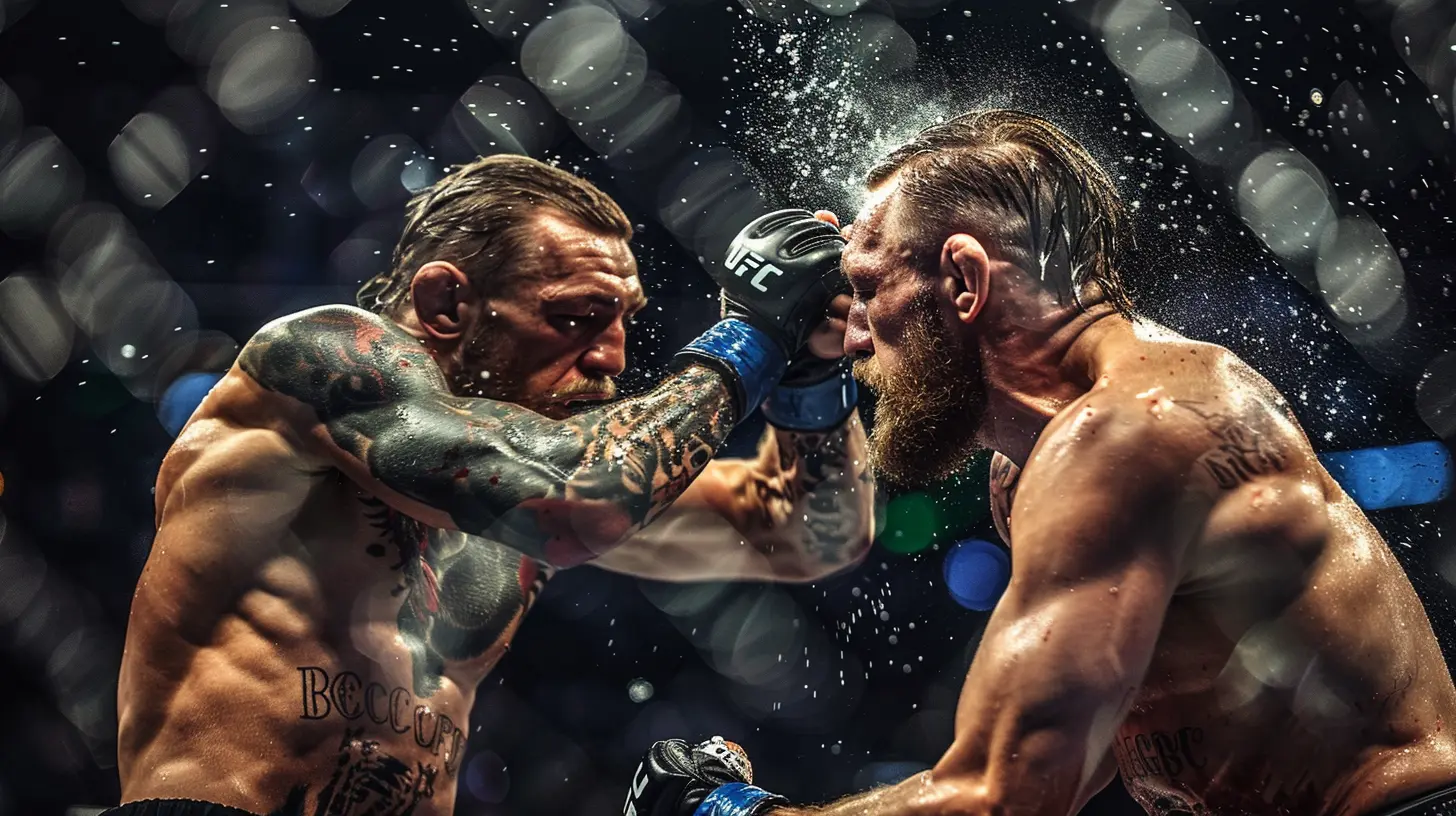
1. Chuck Liddell vs. Tito Ortiz – The Birth of Mainstream MMA Drama
Let’s kick things off with the OG of UFC rivalries—Chuck "The Iceman" Liddell vs. Tito "The Huntington Beach Bad Boy" Ortiz. This wasn’t just two fighters clashing—it was a cultural moment for MMA.Back in the early 2000s, the UFC was still gaining traction. Liddell and Ortiz were both stars on the rise. But what made their rivalry explosive? It was personal. They were once friends. Training partners, even. But when egos, title shots, and paychecks came into play, that friendship blew up like a left hook to the chin.
Their first fight in UFC 47 was a defining moment. Liddell knocked out Ortiz and sent a message: no more Mr. Nice Guy. The rematch? Same result.
And let’s not forget their third clash in 2018, under the Golden Boy Promotions banner. Sure, both fighters were past their prime, but fans still tuned in because the drama was iconic.
> This rivalry helped the UFC leap from cult-following to mainstream attention. It showed promoters the power of a good feud—something we’d see a lot more of in the years to come.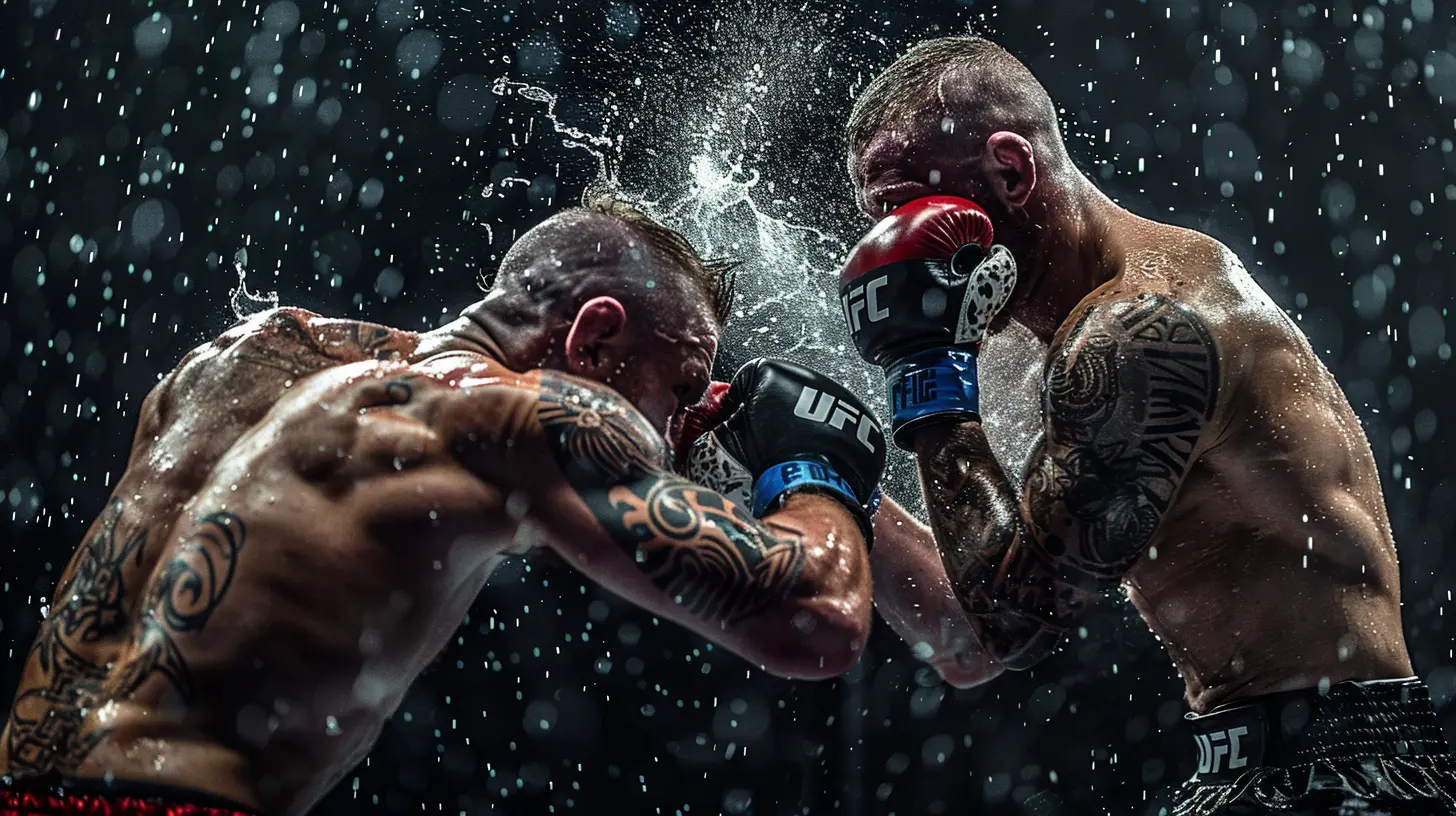
2. Anderson Silva vs. Chael Sonnen – The King vs. The Mouth
Anderson Silva, the smooth-as-silk striker from Brazil, was untouchable for years. He danced around fighters like Muhammad Ali in MMA gloves. And then came Chael Sonnen—the guy with the biggest mouth in MMA history.Sonnen wasn’t just talking smack; he was launching verbal missiles. He went after Silva personally, professionally, even politically (yes, he fired shots at Brazil too). You either loved Sonnen or you hated his guts—but either way, you were watching.
What made this rivalry so epic? The first fight in UFC 117. Sonnen dominated Silva for four and a half rounds. Everyone watching thought the impossible was happening. And then—BOOM—a triangle armbar in the final minutes. Silva pulled victory out of nowhere.
Their rematch? Less dramatic in the cage but equally heated in buildup. Silva settled the score with a TKO in round two.
> Silva vs. Sonnen wasn’t just a fight. It was a lesson in hype, heart, and high-stakes drama. It’s the reason UFC fans started watching press conferences with popcorn.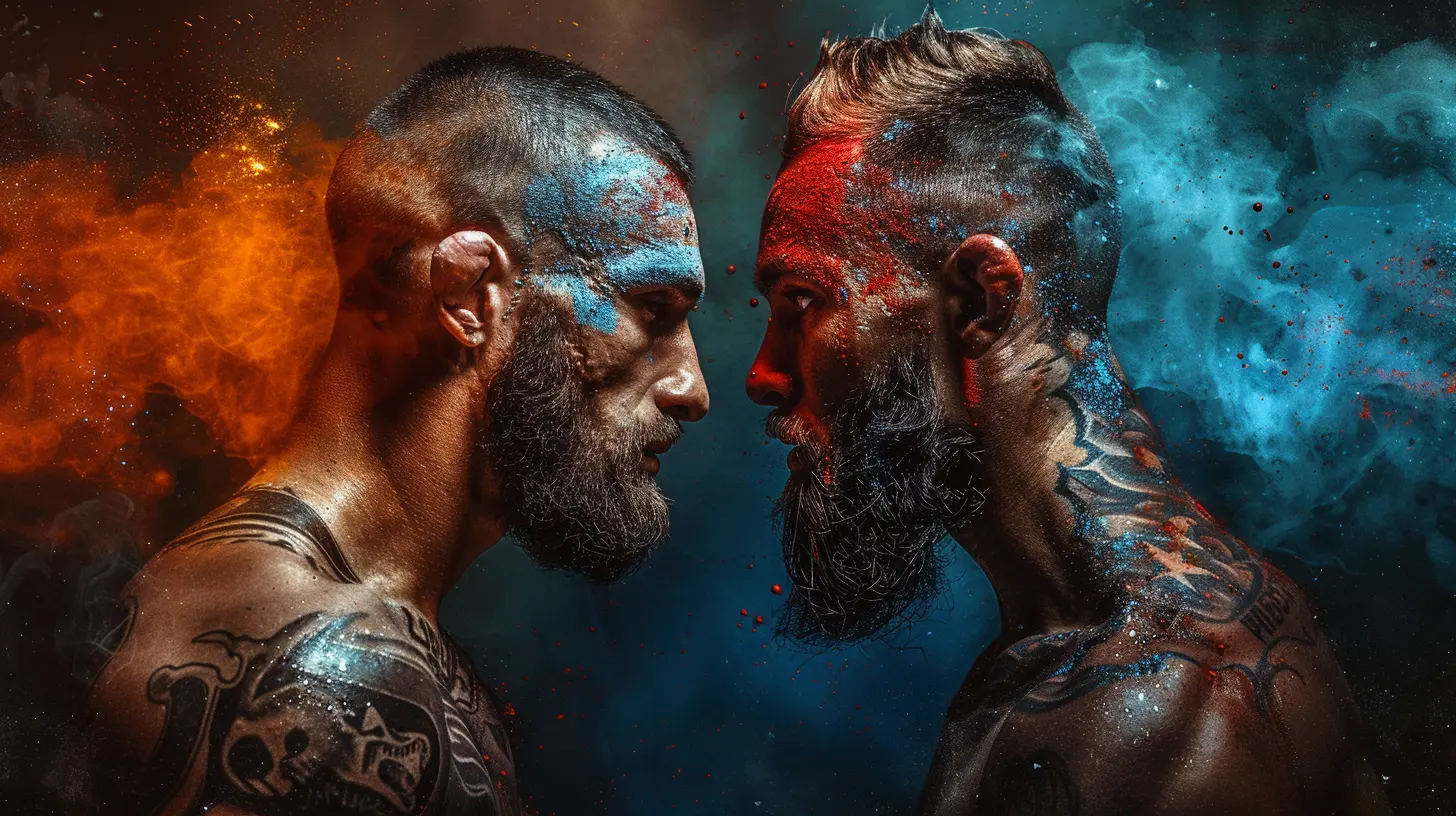
3. Jon Jones vs. Daniel Cormier – Hatred Turned Legendary
Want to talk about real hate? No fake WWE-style theatrics here. Jon Jones and Daniel Cormier genuinely couldn’t stand each other—and it showed every time they were in the same building.Jones was the young phenom. Cormier was the decorated Olympian. Their backgrounds were different, their styles were different, and man, their personalities clashed like oil and water.
From brawling at press events to calling each other out on live TV, this rivalry was toxic—and fans craved every second of it.
Their first fight in 2015? Jones outclassed DC and retained his title. The second fight in 2017? Jones knocked out Cormier—but the result was overturned due to a failed drug test.
> This rivalry had everything: technical mastery, personal jabs, and a tragic twist. It defined an era of light heavyweight clashes and kept fans emotionally hooked for years.
4. Conor McGregor vs. Nate Diaz – The Chaotic Dance of Fire and Ice
No rivalry screams “modern MMA” like Conor McGregor vs. Nate Diaz. This wasn’t just two guys trading punches—it was a cultural phenomenon.Conor, the brash Irish superstar, was soaring through divisions like a rocket. Then came Diaz, raw, real, and totally unfazed by McGregor’s fame.
When Diaz choked out McGregor in their first fight at UFC 196, it was seismic. The king had fallen. Then the rematch? UFC 202. McGregor edged out a razor-thin decision in an all-time classic.
What made this rivalry special? It was unpredictable. The fights were wars, the build-up was electric, and the respect that grew afterward felt genuine.
> Their dynamic was like fire meeting ice—explosive, dangerous, and unforgettable. They didn’t just fight. They left a permanent imprint on pop culture.
5. Khabib Nurmagomedov vs. Conor McGregor – Beyond The Cage
While Conor’s beef with Diaz was fun, his feud with Khabib Nurmagomedov was something else entirely. It wasn’t entertaining—it was intense, uncomfortable, and sometimes ugly.This rivalry wasn’t just about the belt. It was about culture, legacy, and deep personal pride. McGregor crossed lines in the lead-up to UFC 229—insults, religion, even family.
Khabib? He let his fists do the talking. When he submitted Conor in the fourth round, he didn’t stop there. That post-fight melee? Straight-up madness.
> Khabib vs. Conor showed how real this sport can get. The stakes felt bigger than the sport itself. It was raw. It was volatile. And it was history.
6. Ronda Rousey vs. Miesha Tate – The Women Who Revolutionized MMA
Before Amanda Nunes ruled the octagon, there was Ronda Rousey—and her longtime nemesis, Miesha Tate.This wasn’t just a rivalry. It was the rivalry that brought women’s MMA to the mainstream. Rousey, with her judo throws and armbar finishes. Tate, with grit, heart, and relentless pressure.
They fought twice. Rousey won both. But Miesha never backed down. And their war of words outside the cage? Pure gasoline on the fire.
> This rivalry didn’t just sell fights—it built the foundation for women in the UFC. Without it, we might not have ever seen UFC 193 headline with two women and break viewership records.
7. Wanderlei Silva vs. Quinton "Rampage" Jackson – Violence in Pride and UFC
Before the UFC was the mega-giant it is today, Pride FC was running the show in Japan, and one of its biggest rivalries was Wanderlei Silva vs. Rampage Jackson.These two didn’t just fight—they tried to destroy each other. Silva's Muay Thai knees met Rampage’s slamming power again and again.
They clashed in different promotions—Pride, UFC, Bellator—and every time, it was must-see TV. Their fights were gritty, violent, and emotionally charged.
> This rivalry was pure chaos. No trash talk needed—just raw aggression and legacy-defining moments.
8. Joanna Jędrzejczyk vs. Rose Namajunas – The Fall of a Queen
Joanna Champion was on top of the world. Undefeated. Unmatched. Then came Rose Namajunas—a soft-spoken underdog with ice in her veins.When they first met at UFC 217, few gave Rose a shot. But shocking the world, she knocked out Joanna in the first round. The hype didn’t stop there. Their rematch? A five-round war that proved Rose wasn’t just lucky—she was elite.
> What made this rivalry epic was the emotional contrast—Joanna’s bravado versus Rose’s calm. It wasn’t just a fight for the belt; it was a fight for identity and respect.
Why MMA Rivalries Matter More Than Ever
You know what makes a good fight great? Stakes. Emotion. Context. Rivalries bring all of that to the table and more. They turn fights into stories. They give casual fans a reason to care and hardcore fans something to obsess over.Whether it’s a grudge match or a friendly competition turned sour, rivalries give fighters a legacy beyond wins and losses. They define careers. They build legends.
And let’s be real—nothing gets the blood pumping like a showdown between two people who genuinely want to rip each other apart.
Honorable Mentions
- BJ Penn vs. GSP – East vs. North, heart vs. technique.- Dominick Cruz vs. Urijah Faber – Trash talk and trilogy drama.
- Michael Bisping vs. Luke Rockhold – Comebacks, insults, and pure chaos.
Final Thoughts
MMA isn't just about punches and submissions. It's about moments that make your jaw drop and rivalries that burn into your memory. These rivalries did more than sell pay-per-views—they shaped the sport. They brought fans in, kept them hooked, and gave the fight game a soul.So next time you hear about two fighters building “bad blood,” pay attention. You might just be watching the next legendary feud unfold.
all images in this post were generated using AI tools
Category:
MmaAuthor:

Everett Davis
Discussion
rate this article
2 comments
Felicity Whitley
Rivalries in MMA aren’t just about fists and feet; they’re the fuel that ignites the fire of our passion! From jaw-dropping knockouts to unforgettable trash talk, these fighters didn’t just compete—they created legacies. Get ready to relive the drama that kept us all on the edge!
February 5, 2026 at 4:02 AM
Everett Davis
Absolutely! The intensity of these rivalries adds layers to the sport, turning fights into unforgettable showdowns. It's what makes MMA so captivating.
Reid McInerney
Great read! MMA rivalries truly shape the sport's narrative, bringing out the best and worst in fighters. Each clash tells a unique story that captivates fans and fuels passion for the game.
January 8, 2026 at 7:31 PM
Everett Davis
Thank you! I'm glad you enjoyed it. MMA rivalries really do add depth and excitement to the sport.