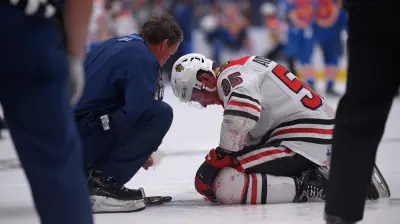
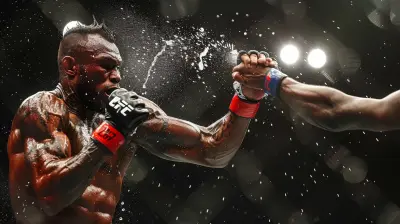
Predicting the Perfect Storm for an Underdog in 2027
7 September 2026
The sports world loves a Cinderella story. We romanticize the improbable run, the giant-killing, the moment a mid-major or a wildcard team upends the established order. But there is a difference between a lucky weekend and a sustained, season-long coup. The 2027 calendar is packed with global tournaments, from the Cricket World Cup to the Rugby World Cup, from continental football championships to the World Athletics Championships. Predicting which underdog will break through requires more than just looking at rankings. It requires identifying the conditions that create a perfect storm.
This is not about predicting a specific team. It is about predicting the archetype. It is about understanding the structural, tactical, and psychological factors that must align for a team with inferior resources to topple the giants. The next eighteen months will be defined by fixture congestion, tactical evolution, and a generational shift in player psychology. An underdog that can exploit these shifts will not just win a game; they will win the tournament.
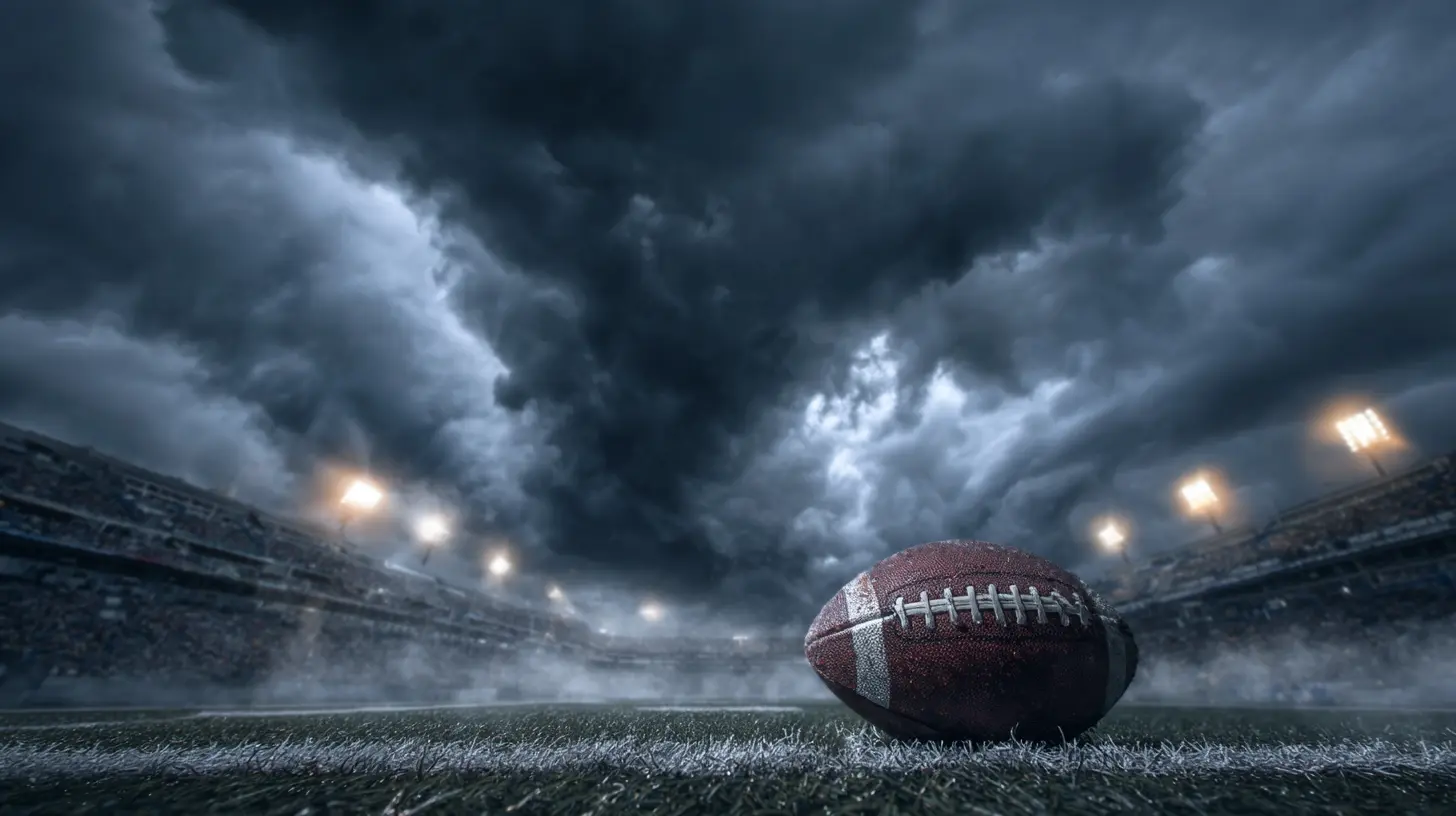
The Myth of the "Anything Can Happen" Narrative
The most common misconception about underdog success is that it is random. Fans and pundits often say that on any given day, any team can beat another. This is statistically false. In a single match, variance is high. A deflection, a red card, a contentious penalty can decide a one-off game. But a tournament requires three to seven wins. Variance regresses. The team with superior fundamentals wins more often than not over a sample size of multiple matches.The perfect storm is not about catching lightning in a bottle. It is about creating a system that reduces the opponent's ability to use their superior talent while maximizing your own specific, often narrow, advantages. The 2004 Greek football team did not get lucky for six straight games. They executed a defensive game plan with a discipline that bordered on obsessive. The 2019 England Cricket World Cup winners were not a fluke; they had a deep batting lineup and a plan for every phase of a match. The underdog that wins in 2027 will be the one that has already solved the puzzle of how to play against a stronger team before the tournament begins.
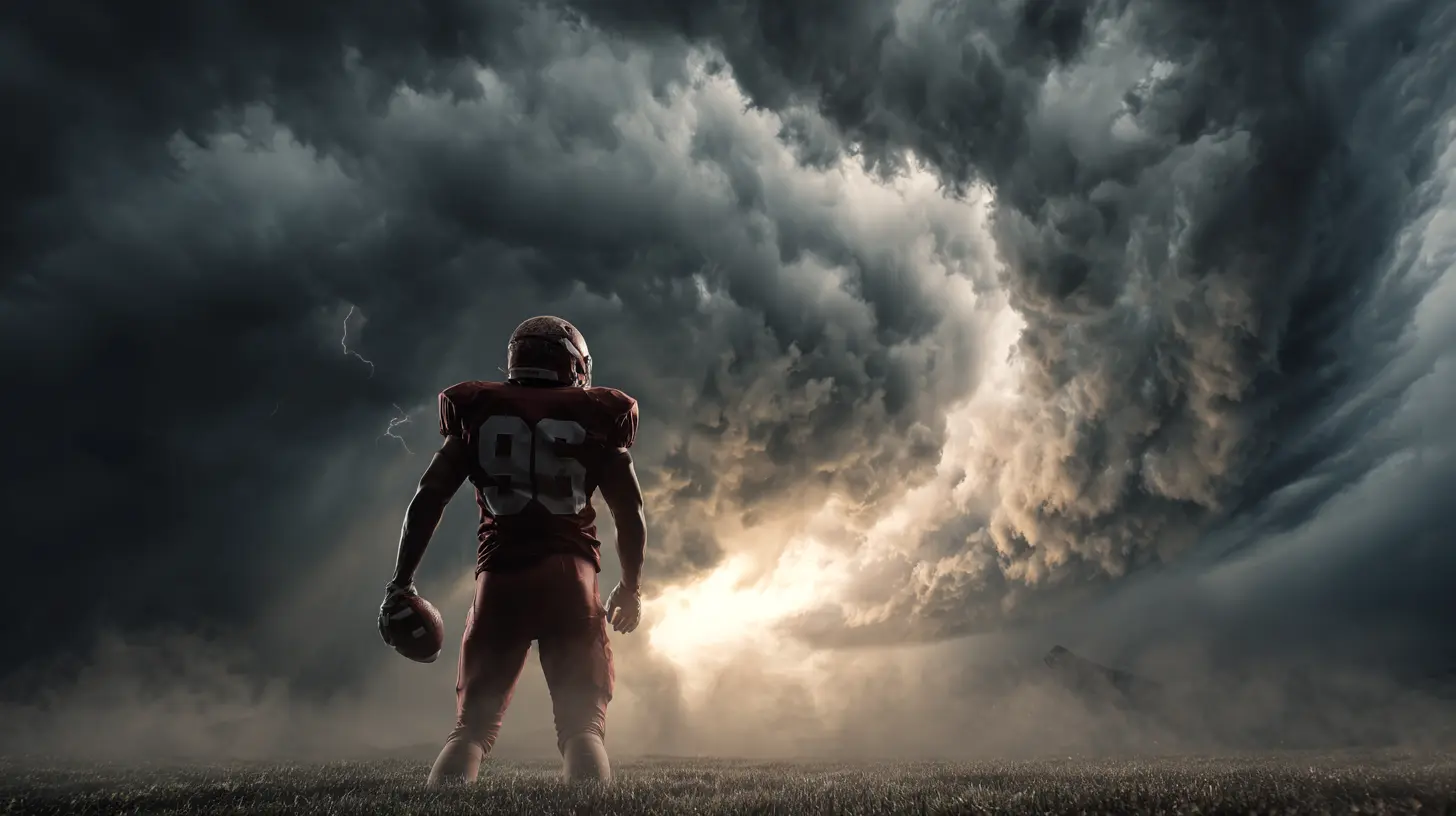
The Fixture Congestion Factor: The Silent Equalizer
Look at the global sporting calendar for 2027. The Rugby World Cup in Australia will follow a grueling club season. The Cricket World Cup is slated for South Africa, a place with unique altitude and pitch conditions. The FIFA Women's World Cup will be played in Brazil, a massive country with travel demands that dwarf most European or North American tournaments. The single greatest equalizer for an underdog is not skill; it is fatigue.Top-tier nations have squads packed with players who are playing 60 to 70 matches a season for their clubs. They are physically and mentally spent by the time international tournaments arrive. Underdogs, by contrast, often have players who are not involved in the deepest stages of club competitions. Their players are fresher, hungrier, and have had more time to train together as a unit.
In 2027, the underdog that wins will be the one that treats the group stage as a recovery phase, not a sprint. They will rotate players aggressively in the first two matches to ensure they have a fresh starting fifteen or eleven for the knockout rounds. The giants, pressured by media and sponsors, often cannot afford to do this. An underdog coach who can manage minutes across the early rounds, while still accruing enough points to advance, will have a massive physical advantage in the quarterfinals.
Tactical Periodization vs. Reactive Coaching
The next evolution in coaching is not about new formations. It is about the speed of adaptation. In the past, an underdog coach would set up a defensive block and hope for a counter-attack. That is obsolete. Opponents have video analysts who have dissected every possible pressing trigger. The winning underdog in 2027 will be tactically chameleonic.They will not play one way. They will play three different ways within a single match. They will start in a low block, invite pressure, then shift to a mid-block with aggressive man-marking in the second half, and finally, if leading, move to a false press that forces the opponent to play long, direct balls. This requires a high football IQ, which is not exclusive to wealthy nations.
Consider the rise of set-piece coaches. Many underdogs lack the individual brilliance to create open-play chances against elite defenses. However, they can spend months perfecting routines for corners and free kicks. In a tight knockout game, a well-rehearsed set-piece routine is worth more than a world-class winger. The 2027 underdog will have a dedicated analyst who only focuses on the opponent's defensive setup at set-pieces. They will have identified the weak link in the zonal marking system, the goalkeeper's tendency to stay on his line, or the tallest defender's vulnerability to a near-post flick.
The Psychological Edge: The Pressure Inversion
The giants carry the weight of expectation. England football fans demand a major trophy. India expects to win every cricket match at home. The All Blacks are expected to win the Rugby World Cup. This pressure creates a specific type of anxiety that manifests in the final ten minutes of a tight match. The favorite plays not to lose; the underdog plays to win.The best psychological strategy for an underdog is to embrace the "nothing to lose" narrative but also to reject it internally. The "nothing to lose" mentality often leads to reckless play and a loss of structure. The winning underdog instead adopts a "nothing to prove" mentality. They have already validated their worth by reaching the quarterfinals. They are playing with house money, but they are not gambling. They are executing a plan with the calm of a team that has been there before.
This is where sports psychology has become a battleground. In 2027, the underdog will have a full-time sports psychologist embedded with the squad from the start of the training camp. This psychologist will not just work on motivation. They will work on emotional regulation after conceding a goal. They will simulate the noise of a hostile crowd during training. They will run drills where the referee makes a controversial decision and the players have to reset their focus in thirty seconds. The days of a team relying solely on a charismatic captain to rally the troops are over. The process must be systemic.
The Data Revolution: How Underdogs Can Out-Smart the Giants
The fear for many underdogs is that data analytics favors the rich. They assume that the bigger teams have proprietary software and armies of statisticians. This is only partially true. The giants have more data, but they often suffer from analysis paralysis. Underdogs can be more agile with their data usage.The key is not to collect more data but to ask better questions. Instead of analyzing the opponent's average possession, the underdog should analyze the opponent's behavior in specific game states. For example, what does the favorite do when they are losing after the 60th minute? Do they become more direct? Do they panic? Do they leave gaps at the back?
In 2027, the smart underdog will use optical tracking data to identify the "dead zones" on the pitch. These are areas where the opponent's fullbacks push high and do not track back quickly. Instead of playing a high-risk high-line, the underdog will instruct their winger to stay high and wide, waiting for the turnover. They will not press the center-backs, because that is where the giants are strongest. Instead, they will press the central midfielders, forcing them to play sideways passes, which slows down the attack and allows the underdog to regain their defensive shape.
This is not about having the best data. It is about having the most specific game plan. A team that spends four weeks preparing for a single opponent's weaknesses has a better chance than a team that spends four weeks working on their own general principles.
Real-World Example: The 2015 Rugby World Cup and the Power of the Breakdown
To understand what 2027 might look like, we can look at Japan's stunning victory over South Africa in the 2015 Rugby World Cup. At the time, Japan was ranked 13th in the world. South Africa was a two-time champion. Japan won 34-32. This was not a fluke. Japan's coach, Eddie Jones, had implemented a high-tempo, low-error game plan. They did not try to out-muscle the Springboks. They targeted the breakdown, slowing down South Africa's ruck speed and forcing their big forwards to make extra tackles.The key was fitness. Japan ran more than South Africa. They made fewer handling errors. They stayed in the fight for 80 minutes. This is a perfect example of the "perfect storm" model. Japan had a clear tactical plan, superior fitness for that specific match, and a psychological freedom that South Africa did not have.
In 2027, the equivalent will be a rugby team like Fiji or Georgia. They will have the physical size to match the tier-one nations but have historically lacked the discipline. If they can bring a New Zealand-level of structure to their Pacific Island flair, they could upset a team like France or Ireland in the quarterfinals. The difference will be their ability to manage the clock. They will kick for territory more often, not because they lack creativity, but because they know that field position is the ultimate currency in a high-pressure match.
The Trade-Offs: Short-Term Gimmicks vs. Long-Term Identity
A common mistake for underdogs is to build their entire game plan around a single gimmick. They might adopt a bizarre formation or a strategy that relies on one player's unique skill. This can win one match, but it will not win a tournament. Opponents will quickly adapt. The 2027 underdog must have a core identity that is robust and a set of variations that are situation-specific.For instance, in cricket, an underdog might prepare a pitch that spins excessively to neutralize the opponent's fast bowlers. This is a good tactic for one match. But if they make it to the semi-finals, they will face a different opponent who might have world-class spin bowlers. The underdog needs to be able to play on a flat pitch, a green pitch, and a dusty pitch. They need to be adaptable.
The trade-off is between specialization and generalization. A team that tries to do everything well will often do nothing exceptionally. A team that is too specialized will be exposed. The balance lies in having a "core strategy" that is based on their unique player pool. If you have a fleet of fast bowlers, you play aggressive, short-pitched bowling. If you have a pack of mobile forwards in rugby, you play a wide, running game. You double down on your strengths, but you spend 20% of your training time on the "ugly" aspects that you hope to avoid.
The Role of the Captain and the "Quiet" Leader
Underdog teams often lack the star power of the favorites. They do not have the iconic captain who is a household name. In 2027, the underdog's leadership will come from a different place. It will come from a "quiet" leader, often a defensive midfielder in football or a scrum-half in rugby, who controls the tempo.This player is not the loudest in the dressing room. They are the most observant. They notice when the opponent's body language changes. They see when the fullback is tiring. They communicate this to the coach, who makes the tactical adjustment. The captain in 2027 will be an extension of the coaching staff on the pitch, not just a motivator.
This is a difficult transition for many underdog teams. They often rely on emotional leaders who can give a rousing speech. But in a high-pressure tournament, emotional speeches are less effective than clear, concise instructions. The winning underdog will have a leadership group of three or four players who all have specific responsibilities. One manages the referees, another manages the defensive line, and another manages the attacking shape. This distributes the cognitive load and prevents a single player from being overwhelmed.
The Financial Reality: How to Buy Success Without a Big Budget
We cannot ignore the financial disparity. The top teams have better facilities, better nutritionists, and better recovery equipment. However, the underdog can close this gap with smarter allocation of a smaller budget.The first place to spend money is on travel and logistics. A team that arrives at the tournament venue three weeks early to acclimatize to the heat and altitude has a huge advantage. This is often cheaper than buying a star player. The second place is on recovery technology, such as cryotherapy chambers and compression boots. These tools help players recover faster between matches, which is crucial in a tournament format.
The third, and perhaps most important, is on opposition analysis. A team can hire two full-time analysts for the cost of a single backup player's salary. These analysts will watch every minute of the opponent's last ten matches. They will produce a detailed dossier on the opponent's attacking patterns, defensive weaknesses, and set-piece routines. This dossier is worth more than any motivational speech.
The mistake is to spend money on marketing or on a "big name" coach who has a famous resume but no specific plan for your team. The underdog should hire a coach who is obsessive about detail, not one who is obsessed with their own brand.
Common Misconceptions About the "Group of Death"
Every tournament has a "Group of Death." The media loves to talk about it. The common misconception is that an underdog in a tough group is doomed. In reality, a tough group can be a blessing. It forces a team to be at their best from the first match. It prevents complacency. It also means that if they survive the group, they have already faced the highest level of competition and are not intimidated by the knockout round.The perfect storm for an underdog in 2027 might involve drawing the two strongest teams in the group stage. They will likely lose one match, but they will learn more from that loss than from two easy wins. They will also have the advantage of playing a "lesser" opponent in the final group game, which allows them to rest key players and build goal difference.
The danger is the "easy" group. An underdog that cruises through the group stage without being tested often struggles in the first knockout round. They are not used to the intensity. They have not had to make tactical adjustments under pressure. The 2027 underdog should welcome a difficult draw, not fear it.
The X-Factor: The Role of the Crowd
In 2027, the audience will be more influential than ever. Not just in the stadium, but online. The underdog will have the support of neutrals. The entire world loves to see a giant fall. This creates a wave of positive energy that can carry a team through difficult moments.However, this can also be a distraction. Players might get caught up in the social media hype. They might start believing their own press clippings. The best underdog teams isolate themselves from the noise. They treat the tournament like a business trip. They do not read the news. They do not check their social media mentions. They focus on the next match.
The crowd can also become an opponent. If the underdog is playing a host nation, the crowd will be hostile. The team must practice dealing with this. They will use earplugs during training to simulate the noise. They will practice taking a throw-in or a lineout when the crowd is screaming to distract them. Mental resilience in the face of a hostile crowd is a skill, and it must be trained.
Practical Advice for the Underdog Coach
If you are a coach of a national team ranked outside the top ten, here is your checklist for 2027.First, start your preparation now. The tournament is not a six-week event; it is a two-year project. You need to have a clear idea of your best starting lineup and your backup plan for every position. You need to have played at least ten friendly matches against opponents of varying styles.
Second, prioritize fitness. Your players do not need to be the fastest or the strongest. They need to be the most consistent. They need to be able to run the same speed in the 80th minute as they did in the 10th minute. This is non-negotiable.
Third, develop a "game management" strategy. You need to know how to slow the game down when you are winning and speed it up when you are losing. You need to know when to take a risk and when to play safe. This is a tactical skill that is often overlooked.
Fourth, build a culture of resilience. This is not about being "tough." It is about being adaptable. When the original plan fails, you need to have a Plan B and a Plan C. You need to have players who can solve problems on the pitch without waiting for instructions from the bench.
Finally, embrace the pressure. The underdog that wins in 2027 will not be the team that hopes to win. It will be the team that expects to win. They will have done the work. They will have left no stone unturned. They will have created their own perfect storm, not waited for one to arrive.
all images in this post were generated using AI tools
Category:
Game PredictionsAuthor:

Everett Davis
Discussion
rate this article
1 comments
Megan McGill
This article hits the mark. The analysis of potential underdogs is refreshing, and the insights into strategies for 2027 are thought-provoking. Can't wait to see if these predictions hold true. Great read!
September 12, 2026 at 3:54 AM
Everett Davis
Thanks for the kind words! I'm glad you found the analysis engaging. Let's see how it unfolds in 2027...