Teams Redefining Their Identity Ahead of the 2027 Season
9 September 2026
The 2027 season is not just another year on the calendar. For a growing number of franchises across major sports, it represents a hard deadline for transformation. The teams that truly succeed in redefining themselves are not the ones making the loudest free-agent splashes. They are the ones that take a hard look at their core philosophy, their tactical DNA, and their organizational culture, and then make the uncomfortable changes that align all three.
Identity in sports is often mistaken for tradition. But tradition is what you have done. Identity is what you do when the game changes. As we look at the landscape heading into 2027, several clubs are at a crossroads, forced to decide whether they want to remain nostalgic relics or become modern contenders. This is a deep dive into what that process actually looks like, why it often fails, and which teams are getting it right.

The Difference Between a Rebuild and an Identity Shift
Most fans confuse a rebuild with an identity shift. A rebuild is about personnel. You trade away aging stars, accumulate draft capital, and hope to strike gold on young talent. An identity shift is more profound. It changes how the team plays, how it evaluates players, and how it defines success on a week-to-week basis.A rebuild asks, "Who do we want on the roster?" An identity shift asks, "What kind of team do we want to be?" You can rebuild your roster and still play the same outdated style. Conversely, you can keep core players but completely change the system they play in, making them look like entirely different athletes.
The teams that fail are the ones that try to change identity while keeping the same decision-makers who built the old one. It is almost impossible to pivot from a defensive, grind-it-out philosophy to an up-tempo, position-less approach when the head coach and general manager still value the old metrics. The front office and coaching staff must be aligned on the new vision before a single player is signed.

Why the 2027 Season Is a Tipping Point
There are a few structural reasons why 2027 is the target year for so many organizations. First, the collective bargaining agreements in several leagues have created a financial cliff. Teams that mismanaged their cap space in the early 2020s are finally seeing the penalties expire. They have a clean slate to work with.Second, the 2026 international competitions and youth tournaments have produced a generation of players who are tactically more versatile than their predecessors. These players do not fit into rigid positional boxes. Teams that refuse to adapt their systems to accommodate this versatility will find themselves at a severe athletic disadvantage.
Third, the analytics revolution has matured. It is no longer enough to track shots or passes. Teams are now using spatial data and player tracking to understand spacing, pressing intensity, and transition defense in ways that were impossible just a few years ago. This data is forcing uncomfortable truths on coaching staffs. A team can no longer claim it is playing "tough" when the data shows it is simply slow and disorganized.

The European Football Club That Is Abandoning the Counter-Attack
In European football, there is a storied club that has built its entire modern reputation on absorbing pressure and hitting teams on the break. They won trophies doing it. But the 2027 season sees them attempting a radical departure: they want to become a possession-dominant team.This is the hardest transition in the sport. Counter-attacking is a reactive style. It requires discipline, patience, and a willingness to concede territory. Possession football is proactive. It requires technical security in tight spaces and a high defensive line that can compress the game.
The mistake this club is trying to avoid is the one made by many teams before them: buying possession players but keeping counter-attacking instincts. You cannot tell a central defender who has spent his career dropping deep to suddenly step into midfield and break lines with his passing. It requires a change in personnel at the back, not just in midfield.
The key to their shift is their new goalkeeper. Modern possession teams need a sweeper-keeper who can act as an extra outfield player. If the goalkeeper cannot pass under pressure, the entire system collapses. This club has identified that as their first priority, which is a sign they understand the magnitude of the change. They are not just buying a new striker and hoping for the best.
The NBA Franchise Moving Away from Positionless Basketball
For a decade, the NBA has been obsessed with positionless basketball. Every player on the floor needed to be able to shoot, pass, and switch on defense. One particular franchise is now redefining itself in the opposite direction, embracing a return to specialized roles.This is a contrarian move, and it is risky. The analytics community has spent years proving that versatility wins. But this team realized that versatility is only valuable if you have players who are genuinely elite at multiple things. They were stuck in the middle, with players who were okay at everything but great at nothing.
Their new identity is built around a traditional point guard who is a pure facilitator, a rim-protecting center who never shoots threes, and two wings who are purely three-and-D. They are sacrificing theoretical flexibility for concrete excellence in specific tasks.
The trade-off here is clear. They will struggle against teams that can switch everything and force mismatches. But they will dominate the boards and control the tempo against smaller, faster lineups. The key to their success will be their bench. They need a completely different unit that can play small and fast when the starting five is getting exploited. Redefining your identity does not mean having only one identity. It means knowing when to switch between them.
The Baseball Team That Is Redefining Pitching Development
Baseball is a sport of failure, but one organization is redefining its identity by changing how it views pitcher health. For years, the industry standard was to maximize velocity. Teams drafted hard throwers and then told them to throw even harder. The result was a wave of elbow injuries that decimated rotations.This team is pivoting to a model that prioritizes movement and command over raw speed. They are not asking pitchers to throw 98 miles per hour. They are asking them to throw 93 with a sweep that misses bats at the bottom of the zone.
The challenge here is scouting. Most amateur pitchers are evaluated on their ceiling, which is often tied to velocity. This team has had to build its own internal metrics to identify pitchers who have elite spin efficiency and release point consistency, even if their radar gun readings are average.
This is a long-term identity shift. It will not pay dividends immediately. In fact, they may lose games in the short term because their pitchers do not have the raw stuff to escape jams when they make mistakes. But they are betting that a healthy rotation over a full season will outperform a talented but injured one. The misconception is that pitching development is about mechanics. It is actually about workload management and pitch design. This team is leading the charge in treating pitchers like marathon runners, not sprinters.
The Hockey Team That Is Abandoning the Heavy Forecheck
In hockey, the traditional formula for success is simple: skate hard, hit hard, and dump the puck into the offensive zone to create chaos. One team is trying to redefine itself by playing a controlled, possession-based game that avoids the physical toll of the forecheck.This is a difficult sell to a fanbase that loves hits. But the new front office has data showing that teams who spend less time in the corners and more time cycling the puck high in the offensive zone generate higher-quality scoring chances and give up fewer odd-man rushes.
The problem is that this style requires elite skating ability on the back end. You need defensemen who can move the puck quickly and join the rush. This team has committed to drafting mobile defensemen over stay-at-home bruisers, which is a direct philosophical shift.
The trade-off is that they will be softer to play against. Teams will try to physically intimidate them. The best counter to this is not to fight back but to make the opposing team chase the puck until they are exhausted. This only works if the forwards are disciplined enough to not force passes through traffic.
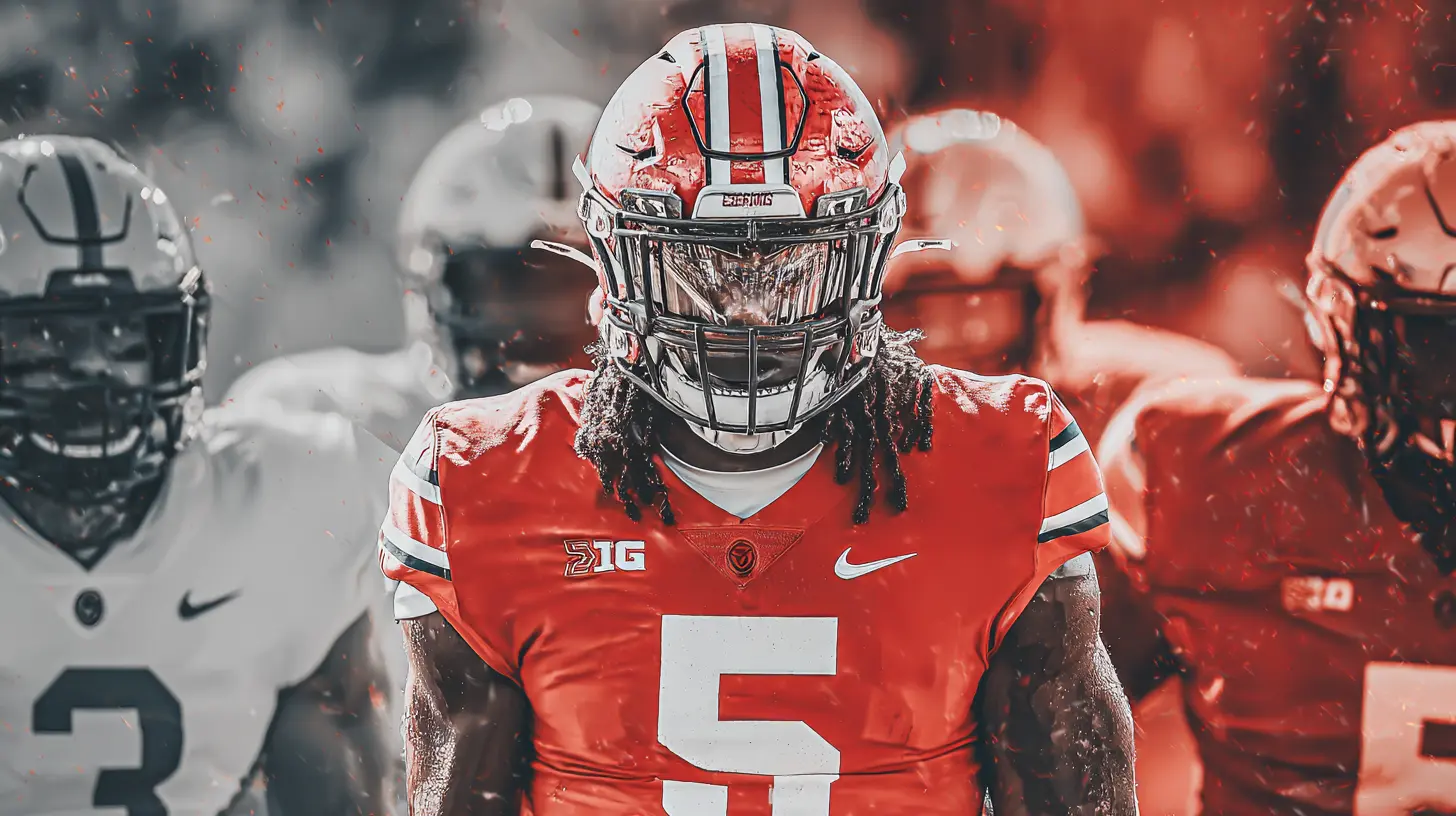
The NFL Team Trying to Build a Modern Defensive Scheme
The NFL is a copycat league, but one team is trying to break the mold by moving away from the heavy reliance on the nickel defense. For years, everyone has played with five or six defensive backs to counter spread offenses. This team is going back to a base defense with three traditional linebackers, but with a twist.Their new identity is built on deception. They will show a heavy front, then drop a defensive end into coverage while blitzing a linebacker. They are not trying to out-athlete the offense. They are trying to confuse the quarterback pre-snap and force him to hold the ball an extra half-second.
The reason this can work in 2027 is that offenses have become so specialized that they are fragile. If a team spends all week preparing for a light, fast defense, they will struggle against a heavy, physical one. The key is unpredictability. This team is not just playing a base defense. They are playing a defense that changes its identity from week to week based on the opponent.
The Common Mistakes in an Identity Shift
There are three mistakes that almost every team makes when trying to redefine itself.The first is changing the coach but keeping the roster. A new coach will want to implement his system, but if the players are not suited for it, the system will fail. It is better to keep the coach and change the players gradually than to fire the coach and expect a miracle.
The second mistake is doing too much too fast. You cannot change your playing style, your defensive scheme, and your player development model all in one offseason. You need to prioritize. Pick one thing that is the foundation of the new identity and build from there. If you try to change everything, you will end up with a team that is confused and lacks any clear direction.
The third mistake is ignoring the mental aspect. Players get comfortable in a system. When you ask them to play differently, they often regress to their old habits in pressure situations. This requires a sports psychologist and strong leadership in the locker room. The veterans need to buy into the new identity before the younger players will follow.
Best Practices for a Successful Transition
The teams that succeed in redefining themselves share a few common traits.They communicate the vision clearly. Not just to the media, but to every single player in the locker room. Everyone needs to know why the change is happening and what their specific role is in the new system.
They embrace a two-year timeline. You cannot judge an identity shift after one season. The first year is for learning the system. The second year is for optimizing it. Teams that panic after a slow start and abandon the plan are doomed to repeat the cycle.
They focus on process over results in the early stages. If your team is playing the right way but losing close games, that is progress. If your team is winning ugly but playing the old style, you have failed even if the record looks good.
They also invest in the front office as much as the roster. You need scouts who understand the new player profile. You need analysts who can track the new metrics. If your support staff is still evaluating players based on the old criteria, you will draft the wrong players and sign the wrong free agents.
Real-World Comparisons That Show the Stakes
Think of the NBA team that changed its identity from isolation-heavy to ball movement. The transition took three years. In the first year, they were mediocre. In the second year, they made the playoffs. In the third year, they won a championship. The reason they succeeded is that they had a clear philosophy and they did not waver when the results were not immediate.Compare that to a football club that tried to change from a direct, long-ball style to a tiki-taka possession game. They bought the wrong players, fired the coach after six months, and ended up with a hybrid style that was neither direct nor possession-based. They finished mid-table and lost their best players because they had no clear identity to sell them on.
The lesson is that the process matters more than the outcome in the short term. If the process is correct, the outcomes will follow. If the process is muddled, the outcomes will be random.
How Fans Should Watch These Transitions
For the fans, watching an identity shift is frustrating. You will see your team lose games they should win. You will see players look lost on the field or court. You will hear commentators criticize the new style as "soft" or "overcomplicated."The best thing a fan can do is watch for the micro-wins. Is the team generating more high-quality shots than before? Are they forcing turnovers in the backcourt? Are they staying in games longer against superior opponents? These are the signs that the identity is taking hold, even if the scoreboard does not reflect it yet.
Also, pay attention to the body language of the players. If they are frustrated and arguing with each other, the new system is not working. If they are encouraging each other despite mistakes, that is a sign of trust. Identity is not just about tactics. It is about culture.
What to Look For in the 2027 Season Specifically
The 2027 season will be the first real test for these teams. The offseason will be over, the excuses will be gone, and the new systems will be on full display.Watch for the teams that stick to their guns even when they hit a losing streak. That is the ultimate sign of organizational maturity. Watch for the teams that make mid-season trades to acquire players who fit the new identity, even if it means giving up more talented players who do not fit.
The teams that will be successful in 2027 are the ones that treat identity as a living thing. It is not a slogan on a t-shirt or a hashtag for social media. It is the way they evaluate every decision, from the draft room to the locker room to the final possession of a close game.
Redefining your identity is one of the hardest things to do in professional sports. It requires humility to admit that the old way is no longer good enough. It requires courage to make unpopular decisions. And it requires patience to let the new way grow.
But the reward is immense. A team with a true identity is more than the sum of its parts. It plays with a cohesion that cannot be manufactured by star power alone. It is resilient in the face of adversity and dangerous in the face of any opponent. As the 2027 season approaches, these teams are not just hoping for a better record. They are building a foundation that will define them for the next decade.
all images in this post were generated using AI tools
Category:
Preseason AnalysisAuthor:

Everett Davis
Discussion
rate this article
1 comments
Kairoth McAleer
Exciting to see teams evolve; change often sparks renewed passion and hope.
September 9, 2026 at 11:01 PM
Everett Davis
Absolutely! Change can be a powerful catalyst for growth and creativity. Excited to see where these teams will go.