The Importance of Gamification in Fan Engagement Strategies
5 July 2026
Let’s be real — being a sports fan has evolved. It’s no longer just about sitting on the couch, watching your favorite team, and yelling at your TV like the coach can actually hear you. Today, fans crave interaction, connection, and — most importantly — engagement. That’s where gamification swings in like a superstar athlete making the winning play.
So, what exactly is gamification? In short, it’s the use of game-design elements (like points, levels, challenges, leaderboards) in non-game contexts — in our case, sports marketing and fan engagement strategies. Think of it as turning everyday interactions into fun competitions that hook fans, keep them coming back, and transform passive viewers into active participants.
Let’s break it all down.
What Is Gamification and Why Should Teams Care?
If you're scratching your head wondering, "Okay, but why should I care about gamification?" — You're not alone. But here’s the truth: gamification is one of the smartest tools sports brands and teams can use to boost fan loyalty, grow audiences, and even increase revenue.Imagine this — your favorite team releases a mobile app. You download it expecting news updates, maybe some stats. But instead, you're greeted with trivia, challenges, badges, points for checking into games, and rewards for sharing content on social media. Suddenly, you're doing more than watching — you're playing, winning, and climbing virtual leaderboards.
That’s gamification in action. And guess what? It works.
The Psychology Behind It: Why Gamification Hooks Us
Let’s get a bit nerdy for a second. Why does gamification work so well?It taps into our basic human instincts: our love for competition, our desire to be rewarded, and our need to feel connected. Psychologists say things like points, badges, and leaderboards trigger the same parts of the brain that are stimulated by achievements and recognition in real life.
You feel successful when you complete a challenge.
You feel important when your name appears on that leaderboard.
You feel like you belong when you play alongside other fans.
It’s not just superficial fun — it’s deep, emotional connection through gaming mechanics.
Enhancing the Game-Day Experience
Back in the day, going to the stadium was the ultimate way to engage. You cheered, you screamed, you high-fived strangers. But now? Fans want an experience that goes far beyond the bleachers.Interactive Stadium Apps
Imagine a stadium app where you can predict the score before halftime, answer trivia during breaks, and earn discounts on merchandise for participation. Not only are fans more engaged, but they’re also spending more (and sticking around longer).Augmented Reality (AR) Games
Some teams use AR to let fans "catch" virtual collectibles hidden throughout the stadium — kinda like a sports version of Pokémon Go. It turns a dull wait in line for nachos into a mini adventure.Live Polls and Votes
Let fans vote on the song between quarters or predict who’ll score next. Suddenly, the fans become part of the action, not just spectators. That’s a game-changer — pun totally intended.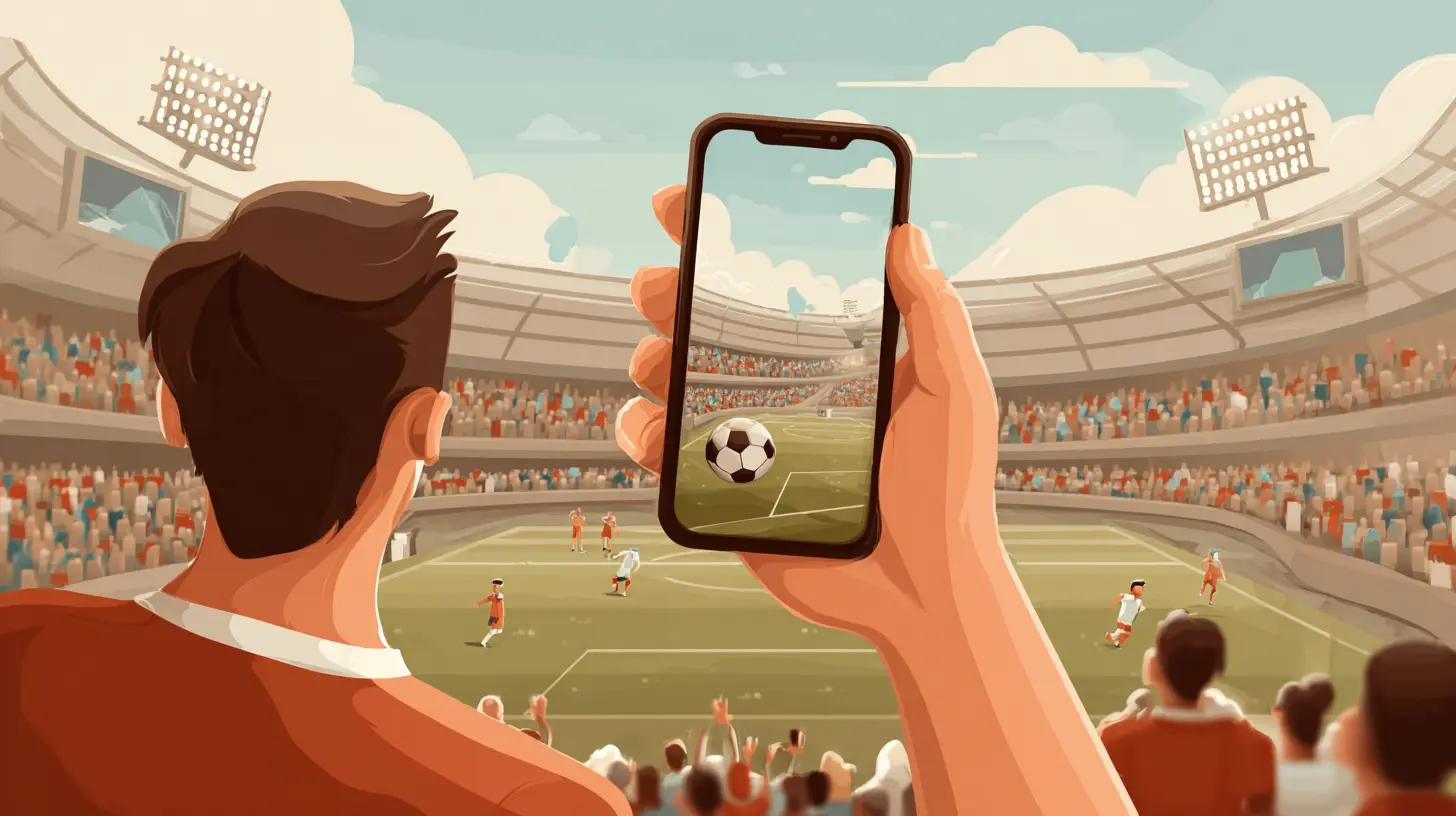
Social Engagement & Gamification Go Hand-in-Hand
Let’s face it — fans live on social media. They’re tweeting during games, posting reaction memes, and debating stats with strangers in the comments. So, why not gamify that?Share-to-Earn Rewards
Teams can award points or perks for every social share, retweet, or tagged post. You post an in-game selfie with the team hashtag? Boom — 50 points toward a future reward.User-Generated Challenges
Ever seen a challenge like “Post your best game-day face” or “Show your wildest fan outfit”? That’s gamification. And yes, those challenges go viral for a reason — they’re fun and they feed into our need to show off a little.Loyalty Programs: From Follower to Superfan
Loyalty programs are one of the most powerful ways gamification keeps fans around.Think about airline miles, but for sports fans. The more they watch, attend, buy, or interact, the more points they rack up. These points can turn into exclusive content, discounts, VIP experiences, or early access to tickets. It’s like frequent flyer perks, but with jerseys instead of jet fuel.
Why does this work? Because fans feel valued. They’re not just wallets to market to — they’re part of the team’s inner circle. And we all know, everyone loves to feel like an insider.
Data, Data, Data: The Gold Mine of Fan Behavior
Want to know what songs pump up the crowd the most? What merch is flying off online shelves? How many minutes fans are engaging on the app during halftime?Gamification tracks it all.
These interactions (the app games, the votes, the challenges, etc.) are often tied to fan profiles. This means teams and organizations get golden data — real-time insights into fan behavior, preferences, and spending habits.
This isn’t just cool. It’s business intelligence. With that info, teams can send better offers, push more relevant content, and fine-tune experiences to individual fans.
Sponsorship Opportunities Just Got More Attractive
Another underrated benefit? Sponsors love gamification.Think about it. A branded trivia game during halftime sponsored by a beverage company. Or points earned for scanning a QR code on a snack wrapper at the game. It’s seamless, sponsor-friendly, and way more engaging than a static banner ad.
Gamification transforms sponsors from boring commercials into interactive brand experiences, and that ups their ROI big time.
Real-Life Examples of Gamification in Action
You don’t have to look far to find sports teams crushing it with gamification.NBA's Golden State Warriors
They’ve used mobile apps to gamify the fan experience — scoring points for attending games, watching videos, and participating in trivia. Fans can redeem their points for signed memorabilia or even courtside seats.Liverpool FC
They introduced a prediction game on their app where fans guess the outcome of the game (score, first goal, etc.). The best part? Top predictors win official merch. It makes pre-match anxiety just a bit more fun.UEFA Champions League Fantasy Football
Create a team, gain points based on real-life performances, battle against friends or global fans — it's fantasy sports gamification at a global scale. And it keeps users engaged week after week.How to Make Gamification Stick: Best Practices
Shiny apps and flashy games are great, but let’s be clear — if it’s poorly designed or feels forced, fans will bounce faster than a football off the post. So here are the golden rules:1. Keep It Simple, But Rewarding
If your game or challenge needs a 10-step tutorial, drop it. Simple is fun. But make sure the rewards actually matter to your fans.2. Make It Part of the Experience, Not an Add-On
Gamification shouldn’t feel like homework. It should blend naturally into the fan journey — from buying tickets, to watching games, to posting on social media.3. Personalization Is Key
Use data to offer challenges and rewards that make sense for each fan. A die-hard season ticket holder shouldn't get the same experience as someone who just downloaded the app yesterday.4. Create a Community, Not Just Competition
Leaderboards are great, but also encourage team play. Maybe fans can form squads and compete for team prizes. Collaboration builds lasting connections.The Future of Fan Engagement Is Playful
Let’s say what we’re all thinking: people today are bombarded with content. If you want to stand out, you’ve got to make people feel something — joy, excitement, belonging. Gamification does exactly that.It turns fandom into a playground. It makes watching the game just one slice of a much richer experience.
And as long as sports exist — and people root for underdogs, scream at referees, and believe in game-day rituals — gamification will only grow as a vital play in the fan engagement playbook.
So, the next time you wonder how to get fans more involved, ask yourself:
>Are you giving them something fun to play with?
Because if not, your rivals probably are.
all images in this post were generated using AI tools
Category:
Fan EngagementAuthor:

Everett Davis
Discussion
rate this article
1 comments
Jacqueline White
Gamification is a game changer for fan engagement. By transforming interactions into fun challenges and rewards, teams can deepen connections with fans. It encourages participation and loyalty, making the experience more enjoyable for everyone. This approach not only boosts attendance but also creates lasting relationships with supporters.
July 17, 2026 at 3:16 AM
Everett Davis
Absolutely! Gamification adds a fun layer to fan interactions, making it easier for teams to connect and build loyalty. It's a win-win for both fans and organizations.