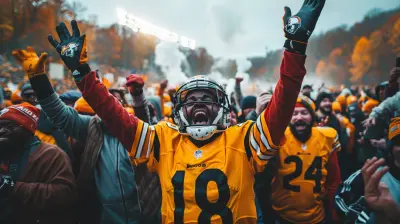
The Importance of Tailoring Fan Engagement to Different Demographics
6 June 2026
In the wild world of sports, the fans are everything. Without them, what’s the point? It’s the roar of the crowd that turns a simple game into a thrilling spectacle. But as the sports industry evolves, so does its audience. From Gen Z TikTokers to die-hard Boomers who still prefer radio broadcasts, today’s fanbase is more diverse than ever. So here’s the million-dollar question: how do you engage all these very different types of fans? Simple — you tailor your approach.
In this article, we’re diving deep into the importance of tailoring fan engagement to different demographics. Because let’s be real — shouting the same message at everyone and hoping it sticks just doesn’t fly anymore.
Why Fan Engagement Even Matters
Before we get into the ‘how,’ let’s cover the ‘why.’Fan engagement isn't just about racking up likes on Instagram or increasing viewership on game day. It’s about connection — forging a bond that turns casual observers into lifelong supporters. Whether it's an NFL team or a local minor league squad, fan loyalty is the lifeblood of a sports franchise.
And loyal fans? They're not just watching games. They’re buying jerseys, talking trash online, and passing on their fandom to the next generation. That’s gold for any team.
Demographics Aren’t Just Numbers
When marketers and team strategists talk demographics, they’re talking about age, gender, income, culture, location — all the traits that shape who a fan is and how they experience sports.Think about it:
- A 16-year-old in New York might live on TikTok and never miss a highlight reel on YouTube.
- A 45-year-old dad in Texas might check ESPN during his lunch break and attend games in person on the weekends.
- A 70-year-old grandmother in Wisconsin? She might listen to broadcasts on the radio and bond with her grandkids over Packers trivia.
Same sport. Totally different fan experiences.
So here’s the thing — you can’t talk to all of them the same way.
One Size Does NOT Fit All
Let’s break it down by generation. Each group has its own quirks, preferences, and expectations — and if you ignore that, your engagement strategy is basically throwing darts in the dark.Gen Z (Born 1997–2012): The Digital Natives
Want to win over Gen Z? Better fire up that ring light.These fans were practically born with smartphones in their hands. They crave short, snackable content that’s visual, interactive, and real. Forget polished promos and long-winded press conferences. Gen Z wants authenticity, connection, and entertainment.
What works:
- Behind-the-scenes TikToks
- Interactive Instagram Stories
- Live Q&As with players
- Memes and viral content
Pro tip: Be real. This generation can smell fake from a mile away.
Millennials (Born 1981–1996): The Experience Seekers
Millennials love the story behind the story. They want to feel involved and like their voice matters. They’ll rally behind causes, support community efforts, and most importantly — they love a good experience.What works:
- In-person events and fan fests
- Email newsletters with exclusive content
- Interactive apps
- Social media campaigns tied to causes
Pro tip: Build a community, not just a fanbase.
Gen X (Born 1965–1980): The Underrated Loyalists
Often overlooked, Gen Xers are incredibly loyal fans. They grew up with cable TV and might still watch games the old-school way. They appreciate depth, facts, and value for money.What works:
- Deep-dive content like podcasts and long-form articles
- Strong email communication
- Loyalty programs and season ticket perks
Pro tip: Don’t forget this group — they’ve got spending power and deep roots in the game.
Baby Boomers (Born 1946–1964): The Old Guard
Boomers may not be swiping through TikTok, but they’re not tech-illiterate either. Many are active on Facebook and still consume sports via traditional media. For them, sports are about heritage, tradition, and family.What works:
- Radio broadcasts and TV coverage
- Facebook updates
- Historical content and throwback posts
- Alumni/player spotlight interviews
Pro tip: Appeal to nostalgia and tradition.
Cultural Background Matters Too
We can't ignore this — culture plays a huge role in how people experience sports.Latino fans, for example, often bring a different passion and style to the game. The music, the chants, the traditions — it’s a vibe that many teams can (and should) embrace. Same goes for Asian-American communities, African-American fanbases, and international audiences.
Language, heritage, and cultural values shape what fans relate to. Teams that celebrate these differences stand out and make people feel seen.
Real-Life Example: MLS & Latino Fans
Major League Soccer (MLS) has done an incredible job connecting with Latino fans. They’ve launched Spanish-language social media channels, promoted bilingual content, and even hosted cultural-themed game nights.The result? A growing, loyal fanbase that feels acknowledged and appreciated.
Gender Differences in Engagement
Let’s not pretend the sports world is all male. Women make up nearly half of all sports fans — and their voices matter more than ever.Yet, female fans often feel sidelined or stereotyped. Teams that take the time to understand what female fans want — think inclusive merch, women's-focused campaigns, and hiring more women behind the scenes — are the ones winning hearts.
Smart moves include:
- Celebrating female athletes and sportscasters
- Creating community-driven content and events
- Offering sizing and apparel that’s actually made for women
Engaging female fans isn’t just a nice-to-have. It’s necessary.
Personalization Is the Future
Now we’re getting into the good stuff — personalization.Today’s fans want to feel like you’re talking directly to them. Whether it’s through customized emails, targeted social media ads, or app notifications about their favorite player — it’s all about the little things.
Think of Spotify Wrapped. What if sports teams gave you an annual review of your favorite moments, players, and stats based on your viewing history? That kind of deeply personalized content builds loyalty like nothing else.
It’s All About the Platform
Each demographic prefers different platforms. So showing up in the right place is half the battle. Here's a quick cheat sheet:| Demographic | Preferred Platforms |
|-------------------|------------------------------------|
| Gen Z | TikTok, Snapchat, Instagram |
| Millennials | Instagram, Twitter (X), YouTube |
| Gen X | Facebook, Email, Podcasts |
| Boomers | Radio, TV, Facebook |
If you're posting the same content on all platforms without tweaking it for the audience, you're missing the mark.
The Data Doesn’t Lie
Analytics are a game-changer. Teams and leagues now have access to more data than ever — from social media insights to ticket sales and app usage.Use it. Track what content your fans engage with, when they watch, where they're from, what they share, and even what merch they’re buying. The more you know, the better you can customize your approach.
And if you’re not paying attention? Your competition definitely is.
The Role of Emerging Technologies
We can’t talk about engagement without touching on tech. Augmented Reality (AR), Virtual Reality (VR), and even AI are changing how fans interact with their favorite teams.Imagine putting on a headset and walking through a virtual locker room. Or pointing your phone at a jersey and seeing highlights of that player pop up. These immersive experiences speak volumes to younger fans and keep them hooked.
Bottom line? The future of fan engagement isn’t coming — it’s already here.
Building Real Relationships Over Time
At the core of fan engagement is one simple truth: people just want to feel connected.You can throw money at social media campaigns, but if you’re not authentic — it shows. Real relationships take time, effort, and consistency. When fans feel like they’re part of something bigger than just watching a game, they stick around.
They become part of the tribe.
Final Thoughts
Tailoring fan engagement to different demographics isn’t just smart — it’s essential. The days of blasting out one-size-fits-all messages are long gone. If teams want to build lasting legacies, they need to meet fans where they are — and speak their language.So whether you're a marketer for a pro team, a coach for a high school squad, or just someone who loves the game — remember: knowing your fans really does make all the difference.
Next time you're strategizing how to boost engagement, don’t ask, “What should we post?” Instead, ask, “Who are we talking to?”
That’s when the magic happens.
all images in this post were generated using AI tools
Category:
Fan EngagementAuthor:

Everett Davis
Discussion
rate this article
1 comments
Jace McGrady
This article raises an interesting point about fan engagement strategies. How do different age groups really perceive team loyalty? It makes me wonder if there are unique approaches that can connect with younger fans versus older ones. Tailoring seems essential, but what specifically works best?
July 13, 2026 at 3:51 AM
Everett Davis
Great observation! Younger fans often seek interactive experiences and social media engagement, while older fans may value tradition and game-day events. Understanding these preferences can help create targeted strategies that resonate with each group.