The Power of Substitutes: Fresh Legs Make the Difference
22 February 2026
Introduction
Football (or soccer, depending on where you're from) isn’t just a game of 11 vs. 11. It’s a marathon that demands strategy, endurance, and, most importantly, fresh legs. Ever wondered why managers love bringing on substitutes late in the game? Well, it's not just to give tired players a break—it's often the secret weapon that turns a draw into a win or a devastating loss into a heroic comeback.
Substitutes aren’t just benchwarmers; they’re the X-factors, the super subs, the game-changers. Let's dive into the fascinating world of football substitutions and how a well-timed switch can be the difference between glory and heartache. 
The Role of Substitutes in Modern Football
Fresh Legs, Fresh Energy
Picture this: The clock hits the 70th minute, and the players on the field look exhausted. Their legs feel like they've been dipped in concrete, and their lungs are screaming for oxygen. Enter the substitute—a player who, until now, has been sitting comfortably on the bench, watching, analyzing, and waiting for their moment to shine.A fresh set of legs can instantly tilt the balance of a match. Substitutes bring energy, intensity, and pace when it’s needed most. Just when defenders think they’ve got everything under control, a new, fully-rested attacker enters the pitch, ready to cause havoc.
Tactical Adjustments
Football is a game of strategy, not just brute force or fancy footwork. Managers don’t just make substitutions for the sake of it; they do it to tweak tactics, counter the opposition, or take advantage of weaknesses.For example, if a team is trailing 1-0, a manager might introduce an extra striker to increase attacking power. If they’re defending a narrow lead, they might bring on a defensive midfielder to shore up the midfield and protect the backline. A good substitution can completely change the dynamics of a game in an instant. 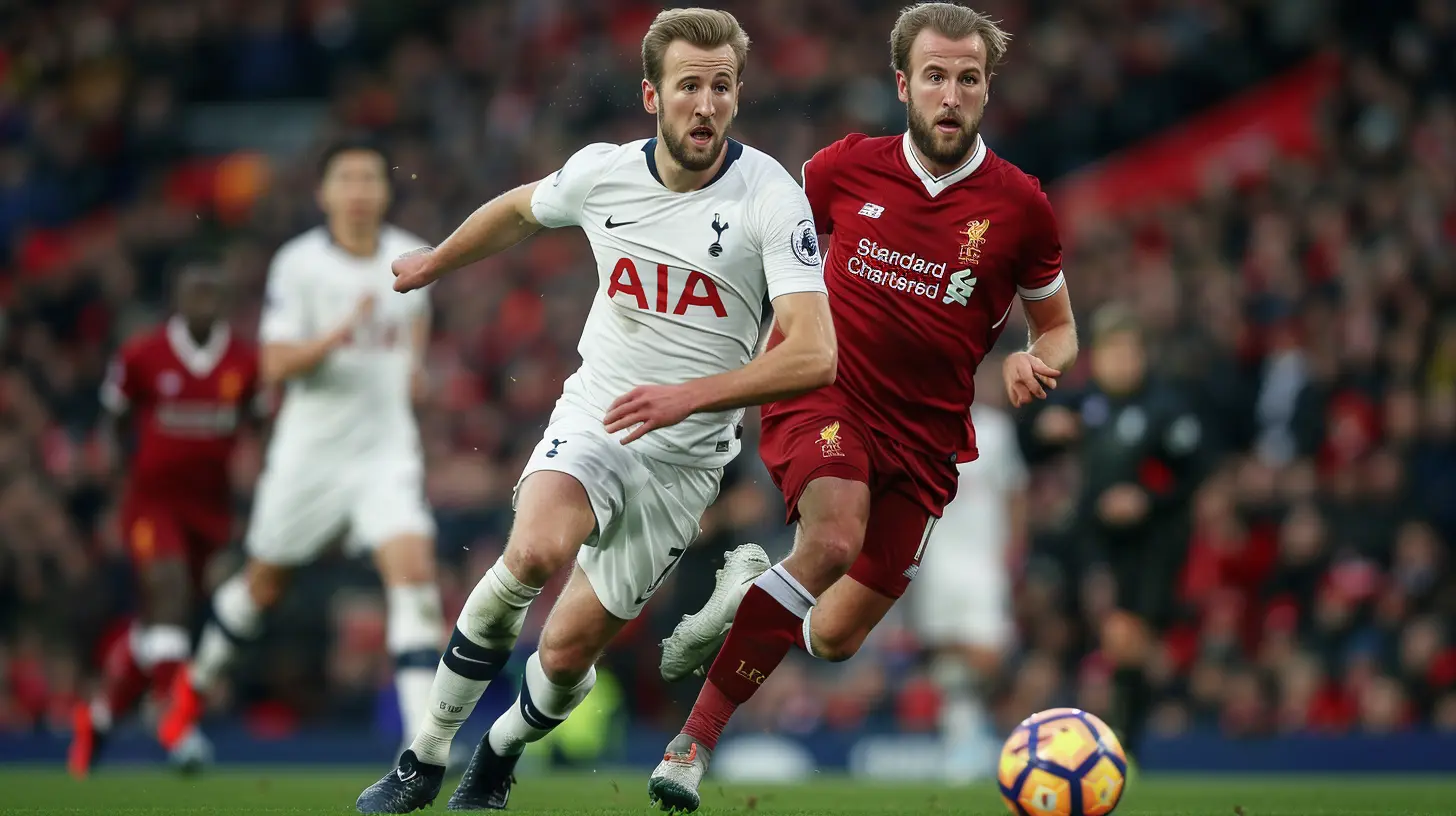
Legendary Super Subs Who Changed the Game
Ole Gunnar Solskjær – The Ultimate Super Sub
If there's one player who perfectly embodies the power of substitutes, it's Ole Gunnar Solskjær. Manchester United fans will never forget his late-game heroics, especially in the 1999 UEFA Champions League final.Trailing against Bayern Munich, United brought on Solskjær, and in the dying moments, he scored the winning goal, completing a dramatic comeback. That wasn’t luck—that was a textbook example of a fresh-legged assassin seizing his moment.
Divock Origi – Liverpool’s Secret Weapon
Divock Origi might not have been Liverpool’s main man, but when it came to crucial moments, he delivered. Ask Barcelona fans how they feel about him—he was instrumental in Liverpool's historic 4-0 comeback in the 2019 Champions League semi-final.Origi wasn’t just there to make up the numbers; he came off the bench and left his mark. That’s what great substitutes do—they don't just participate, they change the script.
Edin Džeko – Super Sub Extraordinaire
Edin Džeko might be best known for his starting performances, but no one can ignore his super-sub abilities. Whether it's for Man City, Roma, or Bosnia's national team, he has a habit of stepping onto the pitch late in the game and delivering last-minute goals.His ability to come in, read the game instantly, and finish clinically makes him a nightmare for tired defenders. A player like Džeko off the bench is like having an ace up your sleeve in a poker game. 
How Substitutions Impact the Game Physically and Mentally
Defenders' Worst Nightmare
Imagine you've been running for 70 minutes, chasing wingers, blocking shots, and battling for every ball. Suddenly, a substitute striker—fresh, fast, and ready to pounce—comes on. You're tired, your reactions are slow, and before you know it, he’s raced past you and slotted the ball into the corner of the net.That’s the impact of a good substitution—it preys on fatigue. A fresh attacker versus a tired defender is like a sports car racing a worn-out bicycle. There’s only going to be one winner.
Psychological Game-Changer
Substitutions aren’t just a physical boost—they mess with the opposition’s heads, too. When a team brings on a dangerous substitute, it forces defenders to rethink their approach.Suddenly, the opposition is second-guessing their tactics. They have to adjust to a new threat, and sometimes, that moment of distraction is all it takes for a substitute to make the difference. 
The Science Behind Effective Substitutions
The Perfect Time to Make a Change
Timing is everything in football, and substitutions are no exception. So, when is the best time to bring on a fresh set of legs?Most managers tend to make their first changes between the 60th and 75th minute. This is typically when fatigue starts setting in, defensive lapses happen, and gaps start opening up. Waiting too long means the substitute doesn’t have enough time to make an impact, while making a change too early could mean wasting a crucial opportunity later in the game.
The Five-Sub Rule – A Blessing or a Curse?
With FIFA introducing the five-substitution rule in response to fixture congestion, football has changed significantly. Teams now have more flexibility to adjust tactics, keep players fresh, and manage injuries better.However, this also means that managers have more decisions to make. Do they use all five subs? Do they save one for a potential injury? Managing substitutions has become an art form where one wrong move can cost a team dearly.
Impact of Super Subs Beyond the Pitch
Squad Depth Wins Titles
If you ever needed proof that quality substitutes win trophies, just look at teams like Manchester City, Real Madrid, or Bayern Munich. These clubs don’t just rely on their starting XI; they have world-class options on the bench.A great squad isn’t built just for 90 minutes—it’s built for an entire season. Injuries, fatigue, and rotation are all factors, and having game-changing substitutes can make the difference between finishing first and settling for second.
Super Subs and Their Cult Hero Status
Some players might never be regular starters, but that doesn’t make them any less iconic. Fans love a good super sub—someone who can come off the bench and score in the most dramatic way possible.Take Javier “Chicharito” Hernández or David Fairclough—they may not have been starters every game, but their ability to deliver in clutch moments made them legends in their own right.
Conclusion
Football is often called the beautiful game, and one of the things that makes it so unpredictable and exciting is the power of substitutions. A well-timed change can shift momentum, exploit tired legs, and create game-winning moments.So, the next time you see a manager making a substitution, don't just assume it's a routine change. That fresh set of legs might just be the difference between agony and ecstasy. In football, as in life, sometimes all you need is the right person showing up at the right time to change everything.
all images in this post were generated using AI tools
Category:
Match HighlightsAuthor:

Everett Davis
Discussion
rate this article
2 comments
Mariana Nguyen
Substitutes are game-changers. Fresh legs not only elevate performance but also shift momentum. Teams must leverage their depth for a competitive edge.
March 11, 2026 at 5:06 AM
Everett Davis
Absolutely! Fresh legs can spark energy and change the game's flow. It's all about using that depth wisely.
Uzi Reilly
Fresh legs, game-changing impact!
March 4, 2026 at 3:41 AM
Everett Davis
Absolutely! Fresh legs can turn the tide of any match. It's amazing how they can bring new energy and creativity to the game.