The Ultimate Guide to Starting Your Fitness Journey in 2027
14 September 2026
Starting a fitness journey in 2027 looks different than it did even five years ago. Wearables are smarter, recovery science has gone mainstream, and the average beginner has access to more information than any generation before them. That sounds like an advantage until you realize the same flood of information is exactly what keeps most people stuck. They spend months researching the perfect program instead of training. They buy equipment before they build a habit. They chase optimization before they have a foundation worth optimizing.
This guide is built for the person who wants to start, not the person who wants to read about starting forever. It covers the decisions that actually matter, the ones that do not, and the reasoning behind both.
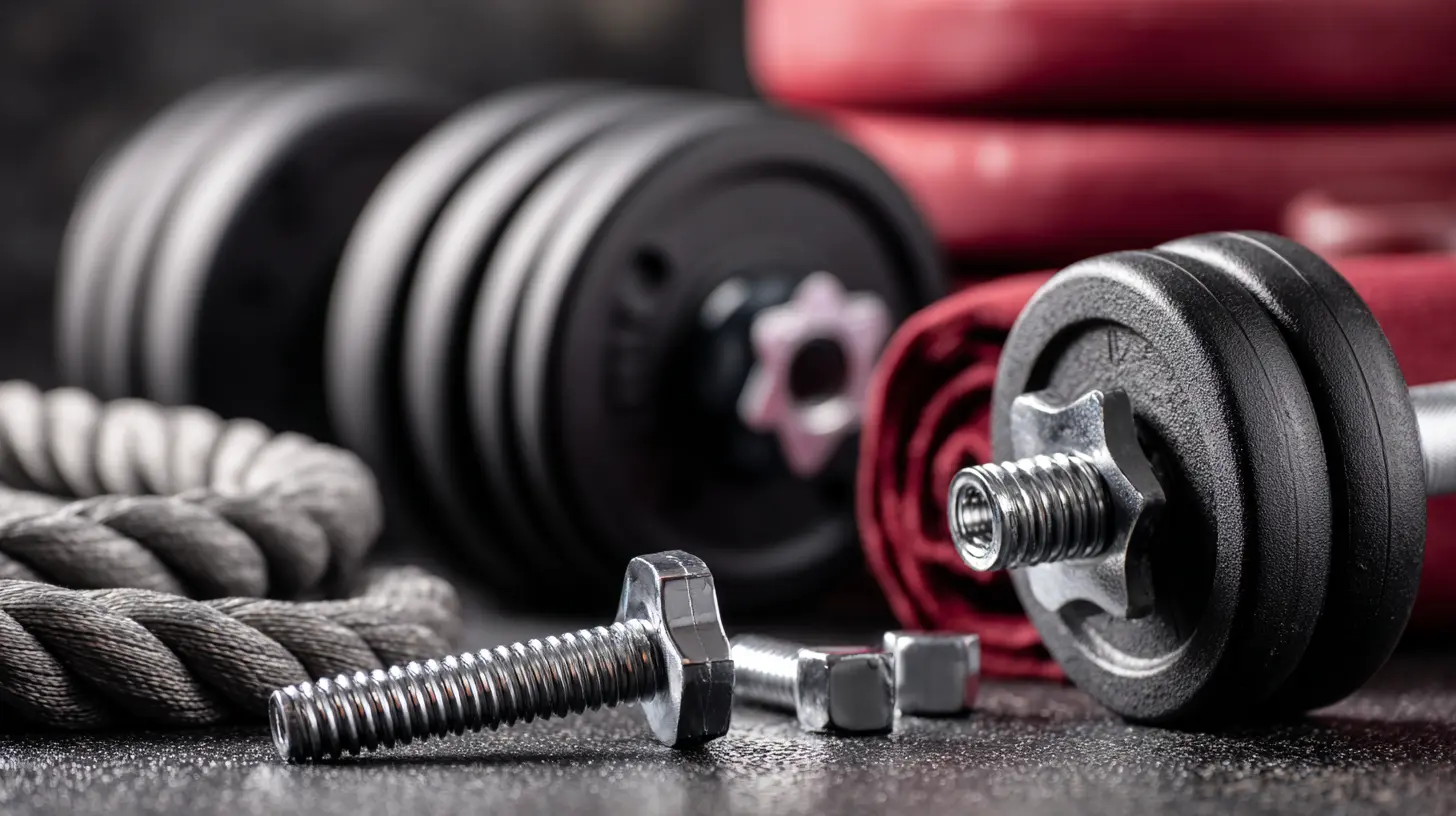
Why 2027 Is a Strange and Good Time to Begin
Two forces are pulling in opposite directions right now. On one side, fitness has never been more accessible. Gym memberships are flexible, home equipment is cheaper and better than it used to be, and apps can guide you through a full session with decent form cues. On the other side, the culture around fitness has become strangely intimidating. Social feeds are full of people with years of training, polished physiques, and routines that assume you already know what a hip hinge is.The result is a beginner who feels simultaneously invited and unwelcome.
The way out is simple in principle: treat your first year as a construction project, not a performance. You are building the capacity to train, the habit of showing up, and the knowledge of how your own body responds. Performance comes later. If you try to skip the construction phase, you will end up injured, burned out, or both.

The First Decision: What Does "Fit" Actually Mean to You?
Most beginners never define this, and it quietly sabotages them. "Get in shape" is not a goal. It is a mood. Without a definition, you cannot tell whether you are succeeding, and you will default to whatever the internet says success looks like, which usually means a physique you cannot reach in six months.Ask yourself what you want your body to do. Climb four flights of stairs without breathing hard. Play with your kids for an hour without your back aching. Deadlift your bodyweight. Run a 5K. Fit into clothes you already own. These are different goals that demand different training.
Here is the part most guides skip: your goal determines your program, your nutrition, and your timeline, and choosing the wrong goal for your temperament is a common reason people quit. Someone who hates running will not stick with a marathon plan no matter how motivated they feel in week one. Someone who loves lifting heavy will be miserable on a pure cardio regimen. Honesty about what you actually enjoy is not laziness. It is strategy.
A useful exercise
Write down three things you want to be able to do in twelve months. Make them specific and testable. "Do ten push-ups" beats "get stronger." "Walk 45 minutes without stopping" beats "improve endurance." Then rank them. Your top priority shapes everything else.
Strength Training vs. Cardio: The False War
Beginners often ask which one they should do first. The honest answer is that both matter, but for different reasons, and the ratio depends on your goal.Strength training builds and preserves muscle, improves bone density, and raises your resting metabolic rate modestly. It also teaches you how to control your body under load, which transfers to almost every physical task. Cardio improves your heart and lungs, increases your work capacity, and helps you recover faster between sets and between workouts.
The mistake is treating them as competitors. They are complementary, but they do interfere with each other if you program them carelessly. This is called the interference effect. If you run hard for an hour and then try to squat heavy, your legs will not cooperate. The fix is not to avoid one. It is to sequence them sensibly, ideally separating hard cardio and hard lifting by several hours or putting them on different days.
For a true beginner, a reasonable default is two to three strength sessions per week and two to three easy cardio sessions, with at least one full rest day. That is enough to produce real adaptation without overwhelming your recovery.
When to prioritize one over the other
If your goal is body composition, strength training should be the anchor and cardio the supplement. Muscle is the tissue that changes how you look, and cardio alone tends to produce a smaller, softer version of you rather than a firmer one.If your goal is a specific endurance event, cardio leads and strength supports it. You still lift, but you lift to stay durable, not to chase personal records.
If your goal is general health, the split barely matters. Consistency matters more than the ratio.

Choosing Where to Train
Three options dominate: a commercial gym, a home setup, and the outdoors or a boutique studio. Each has real trade-offs.A commercial gym gives you equipment variety, a social environment, and a place that is mentally separate from home. That separation is underrated. For many people, "going to the gym" is easier than "starting a workout in the room where I also relax." The downsides are cost, travel time, crowds, and the intimidation factor.
A home setup removes every logistical barrier. You can train in ten minutes if that is all you have. But it also removes the accountability that comes from leaving the house, and it requires an upfront investment in equipment you might outgrow or underuse.
Outdoor training and boutique studios sit in between. Outdoor work is free and psychologically refreshing, but weather and safety are real constraints. Boutique studios offer coaching and community, often at a premium, and the quality varies enormously.
A practical rule
If you have failed to stick with home workouts before, do not buy a home gym. Buy a cheap gym membership and test whether the environment helps. If you have failed at gyms because of the commute, build a minimal home setup: a mat, a set of adjustable dumbbells, and a bench or a sturdy step. Start there.Building Your First Program
A beginner program needs four things and nothing else: a handful of compound movements, progressive overload, adequate recovery, and enough simplicity that you can repeat it for months.Compound movements are exercises that involve multiple joints and muscle groups. Squats, hinges, pushes, pulls, and carries cover almost everything. Isolation exercises, which target a single muscle, are useful later for filling gaps, but they are not the foundation.
Progressive overload means gradually asking more of your body. You can add weight, add reps, add sets, slow the tempo, or reduce rest. The specific method matters less than the direction. If the same workout feels identical in week twelve as it did in week one, you have stopped progressing.
A simple three-day structure might look like this:
- Day A: squat pattern, horizontal push, horizontal pull, core
- Day B: hinge pattern, vertical push, vertical pull, carry
- Day C: single-leg pattern, mixed push and pull, core
You can run this for eight to twelve weeks before you need to change much. Beginners often change programs far too often, chasing novelty when they should be chasing consistency.
Why simplicity wins early
Every additional variable you add is another thing to manage. When you are learning movement patterns, your nervous system is doing heavy lifting that has nothing to do with muscle. Adding complexity too soon means you never master the basics, and mastery of the basics is what produces the early, dramatic progress that keeps you motivated.
Nutrition Without the Noise
Nutrition is where beginners get lost. The internet argues about meal timing, seed oils, fasting windows, and whether fruit is bad, while the actual evidence points to a handful of boring fundamentals.Calories determine weight change. Protein supports muscle retention and growth. Fiber and micronutrients support health. Hydration supports performance. That is the core.
For most beginners, the first useful step is not counting every calorie. It is building a few reliable habits: eat protein at every meal, eat vegetables at most meals, drink water throughout the day, and stop eating when you are satisfied rather than stuffed. These habits produce most of the benefit with a fraction of the cognitive load.
If you stall after a few months, then tracking becomes useful. Not forever. Just long enough to learn what portions actually look like and where your intake is drifting.
Protein, specifically
Protein is the one macronutrient beginners consistently undereat. A common guideline is roughly 1.6 to 2.2 grams per kilogram of bodyweight per day for people doing strength training, though individual needs vary and this is a general practice rather than a universal rule. Spreading it across three or four meals tends to work better than loading it all at dinner.You do not need supplements to hit that. Meat, fish, eggs, dairy, legumes, and soy products cover it. A protein powder is convenient, not magical.
Recovery: The Part Beginners Ignore
Training is the stimulus. Recovery is where adaptation happens. If you train hard and sleep five hours, you are borrowing against progress you will never collect.Sleep is the single most powerful recovery tool. Most adults do best with seven to nine hours, and consistency of schedule matters as much as total duration. If you can only fix one thing outside the gym, fix sleep.
Stress management matters too. Chronic stress raises cortisol, which can interfere with recovery, appetite regulation, and motivation. You do not need a meditation practice to address this. A daily walk, time away from screens, or simply protecting a few hours of unstructured time can help.
Deloads, which are planned easier weeks, are another tool. Beginners rarely need them at first, but by month four or five, a lighter week every six to eight weeks can prevent accumulating fatigue from turning into a plateau or an injury.
Common Mistakes and How to Avoid Them
Doing too much too soon. The classic error. Beginners feel great in week one, add volume in week two, and by week four are dealing with tendon pain. Tendons adapt more slowly than muscles. Start conservative and add gradually.Program hopping. Every program works if you run it long enough. None work if you switch every three weeks.
Ignoring pain versus discomfort. Muscle soreness and the burn of hard effort are normal. Sharp, localized, or joint pain is not. Learn the difference and respect it.
Copying advanced athletes. A routine built for someone with five years of training and a pharmaceutical regimen is not a template for a beginner. Volume and intensity that elite lifters tolerate would break most newcomers.
Treating nutrition as all-or-nothing. One bad meal does not ruin a week. One bad week does not ruin a month. The pattern matters, not any single choice.
Skipping warm-ups. Five to ten minutes of easy movement and a few lighter sets of your first exercise reduce injury risk and improve performance. It is not optional.
Tracking Progress Without Obsessing
The scale is a poor daily measure because it fluctuates with water, food, and hormones. Weigh yourself under consistent conditions, and look at the weekly average rather than any single number.Better measures include how your clothes fit, progress photos taken monthly under the same lighting, strength numbers, resting heart rate, and how you feel climbing stairs or carrying groceries. Subjective measures matter more than people admit. If you feel stronger and more energetic, you are probably on track even when the scale stalls.
Keep a simple training log. Recording what you lifted and how it felt turns guesswork into data. It also becomes a source of motivation when you look back and see that the weight you struggled with in month one is now a warm-up.
When to Get Help
A coach or trainer is worth the money in specific situations: you have a history of injury, you cannot tell whether your form is safe, you have a medical condition that affects exercise, or you have tried and failed to stick with a plan on your own multiple times.A good coach does more than count reps. They assess your movement, adjust your program based on how you respond, and hold you accountable. A bad coach runs everyone through the same routine regardless of goals or limitations. Ask about their approach before you commit, and do not be impressed by certifications alone.
For most healthy beginners, a few sessions to learn the main lifts and then periodic check-ins is enough. You do not need weekly coaching forever.
Putting It Together: Your First 90 Days
Weeks one through four: show up three times a week. Learn the movements with light weight. Do not chase fatigue. Walk on your off days.Weeks five through eight: add weight or reps to each exercise when you can do so with good form. Keep cardio easy. Start paying attention to protein.
Weeks nine through twelve: assess. Are you stronger? Sleeping better? Feeling more capable? If yes, continue. If not, identify the weakest link. It is usually sleep, nutrition, or consistency, not the program.
At the end of ninety days, you will not look like a fitness model. You will have something more valuable: a habit, a baseline, and evidence that your body responds to training. That evidence is what carries you through the next year.
all images in this post were generated using AI tools
Category:
FitnessAuthor:

Everett Davis