Why Some Fighters Can’t Handle the Pressure of the Big Stage
22 June 2025
There’s nothing quite like the spotlight of a massive fight night. Bright lights. Millions watching around the world. Fans screaming your name—or rooting against you. For some fighters, it’s pure fuel. For others? It’s a ticking time bomb. Ever wondered why some athletes dominate the gym but crumble when it counts? Let’s break this down.
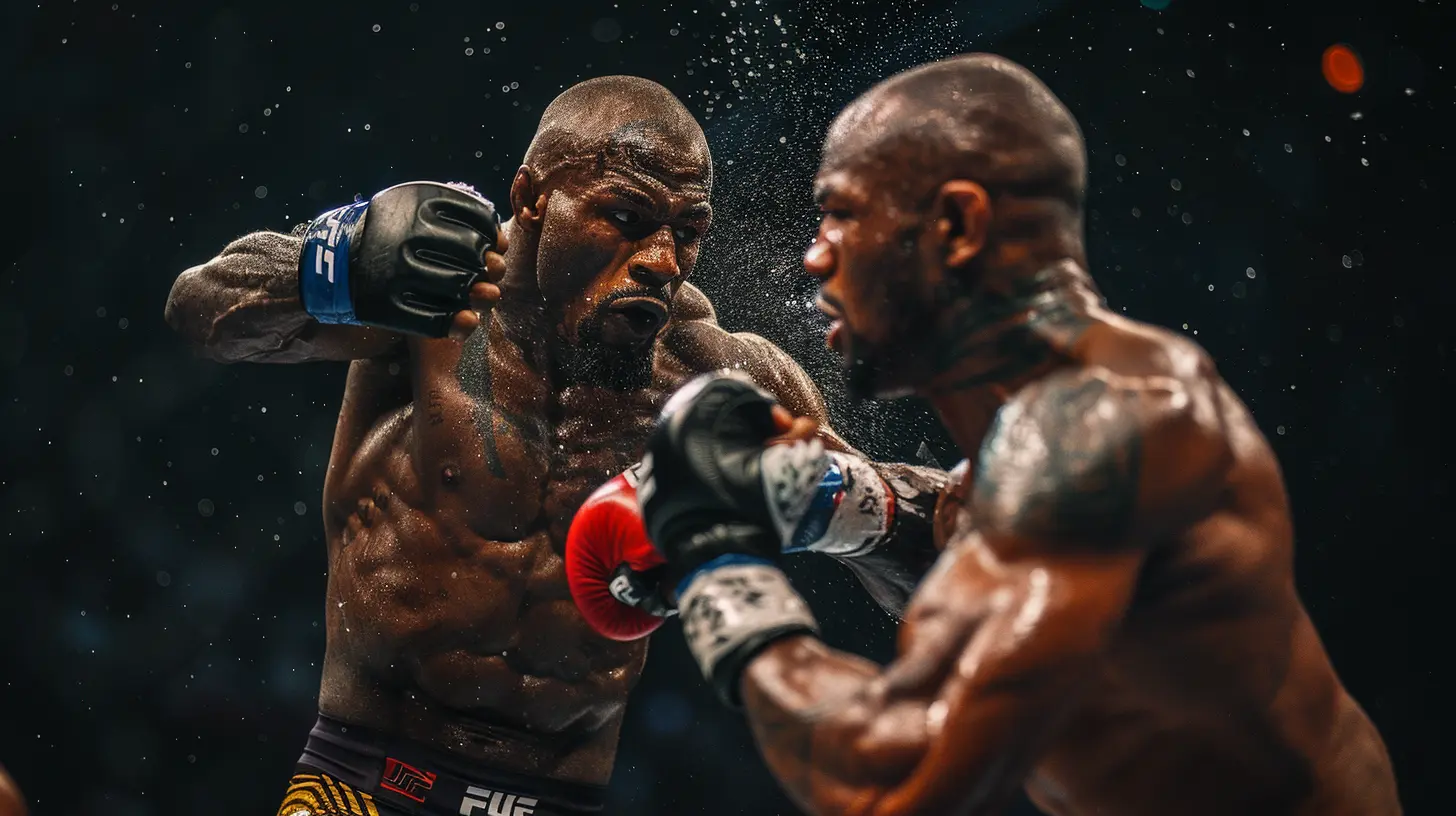
The Bright Lights Are Blinding
First things first: the “big stage” isn’t just about fighting. It’s about entertainment. The UFC, boxing, even big-time wrestling—they’re part sport, part show. It’s a spectacle. When a fighter walks into that octagon or ring, they're not just facing an opponent. They're staring down cameras, reporters, thousands of fans, and the echo of everyone’s expectations.Some thrive on that extra tension. They were born to perform. Others? They get swallowed up by it.
Nerves: Not Just Butterflies
Getting nervous isn’t a sign of weakness—it’s human nature. But there's a massive difference between a few pre-fight jitters and full-blown anxiety that hijacks your game plan. Pressure affects breathing, decision-making, even muscle coordination. A fighter might freeze, get reckless, or just gas out early.It's like trying to solve a puzzle with boxing gloves on. Your brain knows what to do, but your body won’t cooperate.

Confidence vs. Fear of Failure
Here’s the kicker—confidence is everything. But on the big stage, even the most well-prepared fighters can start doubting themselves. That seed of doubt? It grows fast under pressure.The fear of failure is brutal. Imagine training for months, grinding day in and day out, only for one slip-up to cost you everything: fame, fortune, maybe even a title shot. That weight can crush someone mentally before they even throw a punch.
“What If I Lose?”
That’s the silent question eating away at many fighters just moments before the walkout. What if I let my team down? What if I get knocked out in front of millions? What if I never get another shot?This internal monologue is a fight on its own. And most people watching? They have no idea it’s happening.
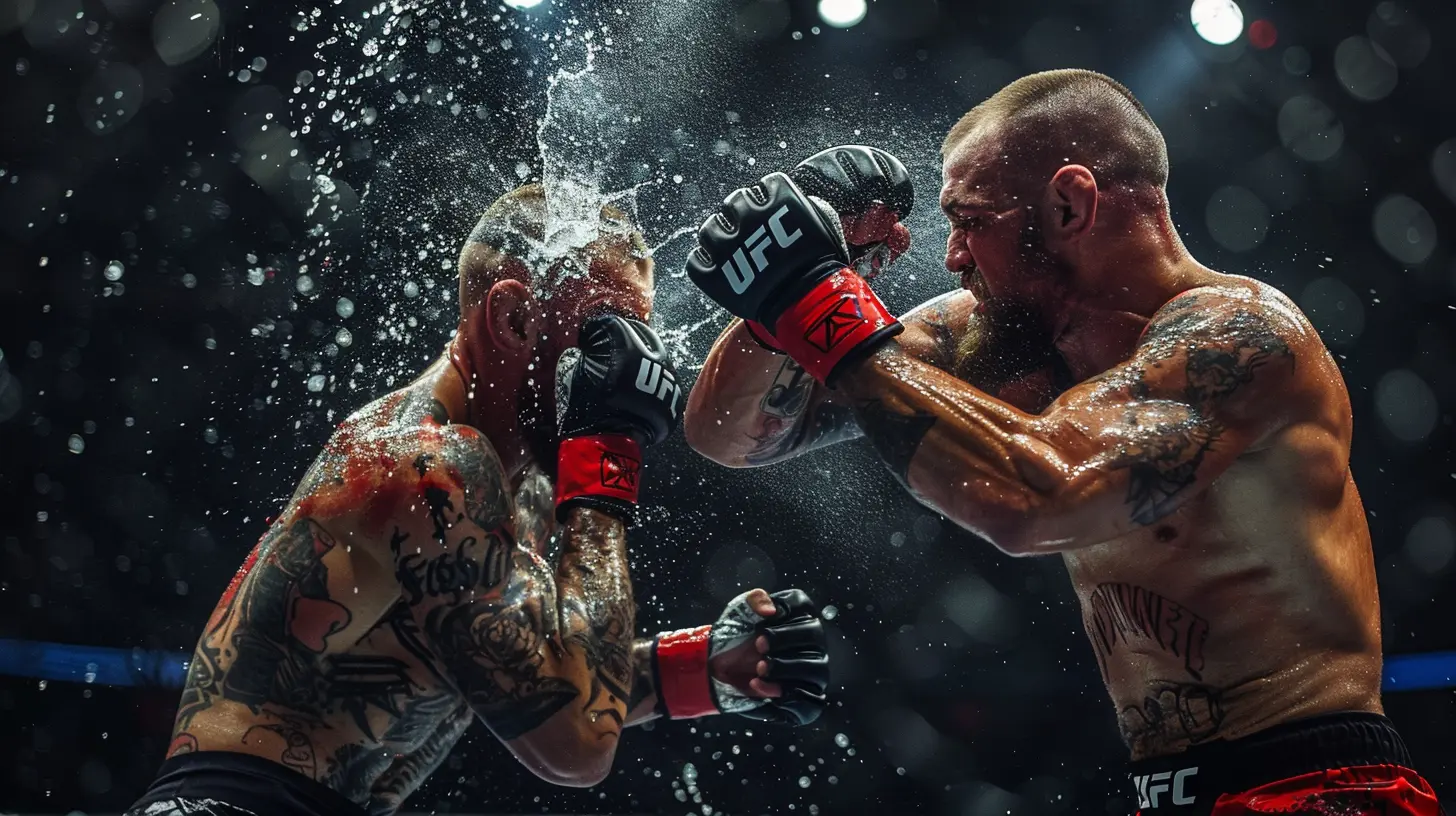
The Mental Game Is Half the Battle
Training camp prepares the body. But the mind? That’s a different beast entirely.Mental Strength Separates Great from Good
You can train your jab, your footwork, your cardio—but if your head’s not in the right space, it all goes out the window. That’s why sports psychologists are becoming a regular part of fight camps now. Meditation, visualization, breathing techniques—these are all weapons for mastering the moment.Fight fans love to talk about “killer instinct.” But often, it’s just mental calm. The ones who stay cool under fire? They tend to win, not because they’re better, but because they didn’t let the moment beat them before the fight even started.
Mental Warfare Is Real
Don’t forget about the mind games. Opponents talk trash for a reason. The goal isn’t just to hype the fight—it’s to get inside your head. Shake your focus. Rattle your confidence.Some fighters can brush it off. Others spiral. You see it in their eyes during the weigh-ins, hear it in their voice during press conferences. They’re not fighting their opponent—they’re fighting themselves.

From Gym Hero to Arena Zero
You’ve probably heard this before: “He’s a gym legend.” That’s the guy who smokes everyone in training, crushes sparring, looks like a future champ—until fight night.Why? The gym doesn’t carry the same stakes. It’s controlled. Familiar. There’s no crowd. No pressure. When you move from training to performing, it’s like stepping from a treadmill to a tightrope.
Performance Anxiety Is a Silent Killer
When everything’s on the line, your mind starts running wild. Did I do enough? What if my cardio fails? What if the crowd boos me or worse—laughs?That anxiety doesn’t just mess with your head. It ruins your timing, slows your reactions, and suddenly, that well-rehearsed game plan falls apart.
The Role of Experience
Pressure is like a muscle—the more you work it, the better you deal with it.Veterans Know How to Handle It
Look at guys like Georges St-Pierre or Amanda Nunes. Why did they keep winning even when the stakes got higher? Because their experience taught them how to stay cool, stick to the game plan, and trust the process.They’ve been there. They’ve lost. They’ve rebounded. That resilience is everything.
But for newer fighters? That first taste of a sold-out arena can be overwhelming. Experience matters, and sometimes the only way to get it is to fail first.
Not Everyone Gets a Second Chance
Here’s the cruel truth of combat sports—opportunities don’t always knock twice. If a fighter folds under the big lights once, promoters may start looking elsewhere. The “next big thing” pipeline never stops flowing.So it’s not just about pressure in the moment—it’s about the pressure to nail it the first time.
The Media Spotlight Is Brutal
Let’s not ignore media and social media. These days, a fighter isn’t just prepping for war—they’re managing interviews, tweets, Instagram lives, and TikTok clips. One wrong move? It’s viral in seconds.Social Media Adds Fuel to the Fire
Imagine being booed before you’ve even stepped inside the cage—just because fans didn’t like your last post. Or feeling the need to “go viral” just to stay relevant. That’s pressure no fighter a decade ago had to face.It’s not just about fighting anymore—it’s about branding, image, and attention. That’s an invisible weight some athletes aren’t built to carry.
Fight Camp Chaos
Sometimes, the pressure of the big stage is made worse by what’s happening behind the scenes.Injuries, Weight Cuts, and Outside Drama
Let’s be honest—most fighters don’t show up to fight night at 100%. Their bodies are banged up, their relationships are strained, and they may be cutting insane amounts of weight just to make the limit.Add all that stress to the pressure of performing perfectly in front of millions? It’s a disaster waiting to happen.
One Distraction Can Ruin Everything
All it takes is one mental slip. One bad sparring session a week out. One interview where a fighter says the wrong thing and media runs wild. One small injury that messes with confidence. These things pile up fast.Fighters need tunnel vision. But the big stage forces them to process a thousand things at once. And not everyone’s brain is wired for that.
The Expectations Game
Sometimes, the scariest part of a big fight isn’t the opponent—it’s the expectations.The Hype Machine Is Relentless
If you’re an undefeated prospect or the next “chosen one,” people expect perfection. They expect knockouts, not decisions. Dominance, not struggle. But fights are messy. Unpredictable. And when a fighter feels they have to live up to a script instead of trusting their instincts? That’s when things fall apart.Fans Can Be Brutal
Let’s face it—fans have short memories. One bad performance, and suddenly you’re “overrated.” Fighters know this. They feel that pressure. And that fear of disappointing not just themselves, but an entire fanbase? That’s a heavy load.So, Why Do Some Fighters Fold While Others Rise?
It’s a mix of things—mental preparation, experience, external pressures, and plain old personality traits. Some people are born ice-cold under pressure. Others need time to grow into it. And some, no matter how skilled, just aren’t built for the main stage.Does that mean they’re weak? Not at all. It means they’re human. But in a sport where one mistake can define your whole career, handling pressure isn’t optional. It’s survival.
Final Thoughts: Pressure Breaks or Builds You
The big stage separates the contenders from the pretenders. It’s not just where fights happen—it's where legacies are made or shattered.So the next time you're watching a big event and wondering why a talented fighter underperforms, remember: it’s not always about skill. Sometimes the toughest opponent is the moment itself.
And those who master it? They don’t just win— they become legends.
all images in this post were generated using AI tools
Category:
MmaAuthor:

Everett Davis
Discussion
rate this article
2 comments
Makayla Gilbert
In high-stakes environments, the pressure can overwhelm even the most skilled fighters. Factors such as expectation, fear of failure, and mental fortitude play crucial roles. Understanding these dynamics can shed light on why some athletes falter when the spotlight shines brightest, affecting their performance significantly.
November 5, 2025 at 3:22 AM
Everett Davis
Absolutely, the mental aspects of competition are just as critical as physical skills. A strong mindset can be the difference between success and faltering under pressure.
Easton McGarvey
Great article! It’s fascinating to see how the mental aspect of fighting can impact performance. Every athlete faces pressure differently, and understanding this can help them grow. Kudos for shedding light on the importance of mental resilience—it's as crucial as physical training in the world of sports!
July 4, 2025 at 3:40 AM
Everett Davis
Thank you! I’m glad you found it insightful. Mental resilience truly plays a vital role in athletic performance.