Harnessing the Power of Memes to Build Fan Loyalty
23 May 2026
In the ever-evolving world of sports marketing, teams and organizations are constantly trying to deepen their connection with fans. One surprising but powerful tool has emerged from the depths of internet culture: memes. Yep, you heard that right—memes are no longer just for cracking jokes in group chats or wasting time during lunch breaks. They’re now legit fan engagement weapons.
So, how exactly can memes build fan loyalty? Let’s talk about it in plain English.
What Makes Memes So Powerful in Sports Culture?
Memes are quick, relatable, funny, and easy to digest. Basically, they’re the perfect content snack for today’s digital consumers. In sports culture, fans are glued to their screens for highlights, game results, behind-the-scenes moments—and, yes, memes.Memes Speak the Language of the Internet
Fans today—especially younger ones—are fluent in meme language. Think about it: a well-timed SpongeBob meme or “distracted boyfriend” edit can say more than a five-paragraph Facebook post. Memes are the digital equivalent of an inside joke. They’re short, sweet, and they create community.When a sports team posts a meme, they’re speaking the fan’s language. It’s like being at a party and someone quotes your favorite movie—you’re instantly more connected.
Memes as Community-Building Tools
Memes don’t just entertain; they unite. When fans see a meme that resonates with their frustrations, hopes, or triumphs, they’re more likely to engage—whether that’s through likes, retweets, or sharing it with friends.Shared Laughter = Shared Loyalty
Ever been part of a group that laughs about the same thing all the time? Memes can create that vibe. They offer fans a way to bond over highs and lows—from buzzer-beaters to heartbreak losses. Every shared LOL adds another thread to the emotional connection between fans and teams.Memes Humanize the Brand
Let’s be honest: sports organizations can feel a bit corporate at times. Social media, press conferences, merchandise drops—it can sometimes feel more business than game.Memes break down that wall.
A cleverly crafted meme shows that there’s a real person behind the screen. One with a sense of humor. One who gets the pain of losing to a rival in overtime. One who knows what it’s like to shout at the ref through the TV.
That relatability? It turns casual followers into die-hard fans.
The Anatomy of a Sports Meme That Works
Before you start posting memes of cats in team jerseys or Gordon Ramsay yelling about missed free throws, pause. Good memes (especially in sports) follow some unspoken rules.Timing is Everything
Strike when the iron’s hot. Post a meme right after a big win, a shocking loss, or a viral moment. Memes thrive on timeliness. The fresher the content, the more likely fans are to connect with it.A meme about a game from three weeks ago? That’s already ancient internet history.
Know Your Audience
You wouldn’t send a Baby Yoda meme to a NASCAR fanbase (unless it somehow makes sense). The key is knowing what your fans find funny and relatable.Football fans might love memes that mock rival teams. Soccer fans might appreciate obscure references to controversial VAR calls. Basketball fans might laugh hardest at memes about load management.
Use the culture within the sport to create memes that speak directly to your followers.
Blend Humor with Respect
There’s a fine line between edgy and offensive. Tread carefully. Poking fun at a rival team is one thing. Mocking a player’s injury? Different story.Keep the flame wars in check and always remember: the goal is loyalty, not scandal.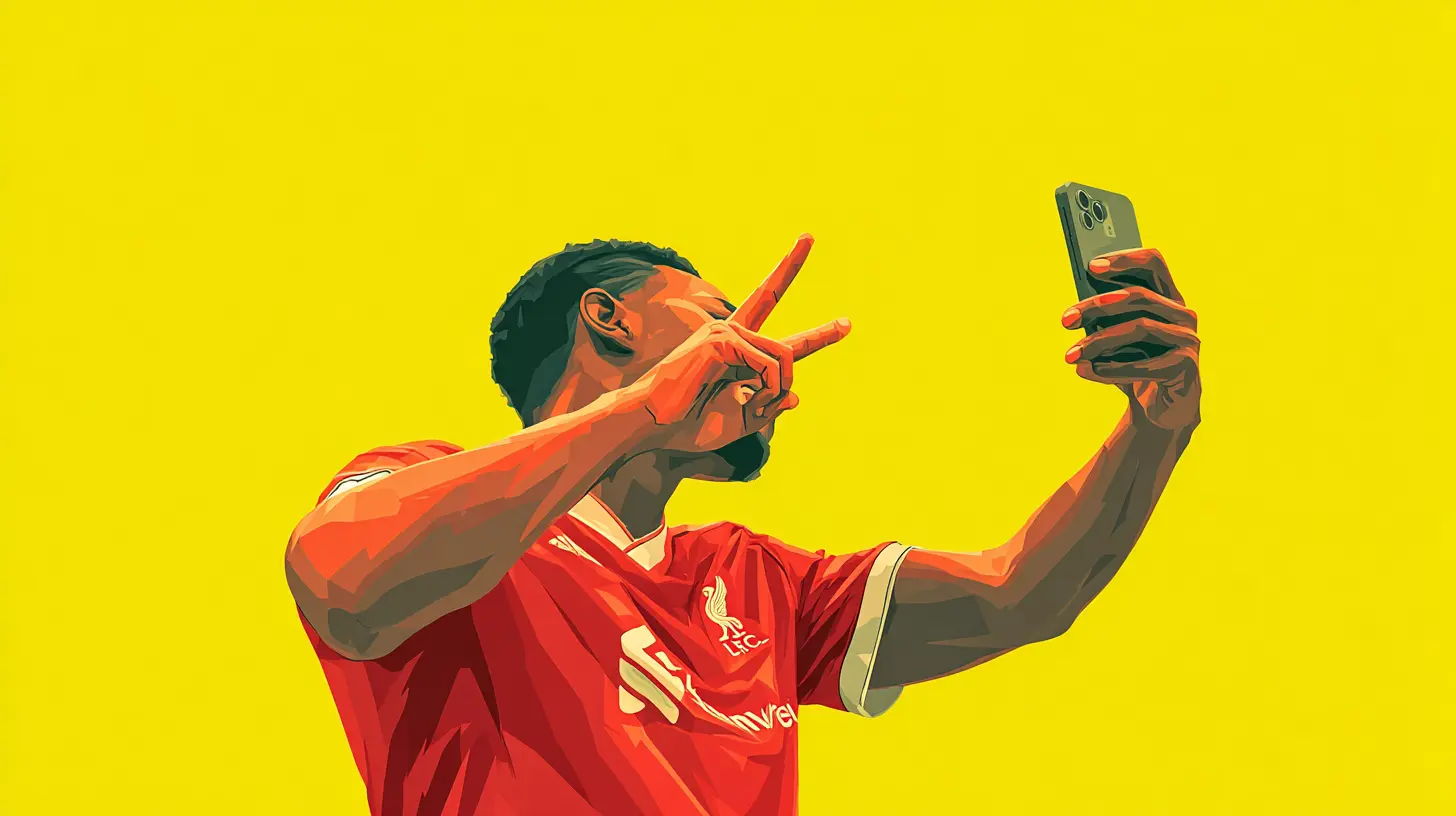
Real-Life Examples of Meme Magic
Let’s look at a few real-world instances where memes scored big points for teams.The NBA’s Kings and Their Meme Renaissance
The Sacramento Kings (yes, the Kings!) stunned fans not just with their improved play, but with their social media presence. Their meme game is strong—full of self-deprecating humor, hilarious reactions, and fan-centric posts.When they finally made the playoffs after a painfully long drought, their “Light the Beam” memes became iconic. It was fun, it was fresh, and it got everyone on board. Even casual fans got swept up in the hype, simply because the team leaned into the meme culture.
The NHL’s New Jersey Devils and Savage Humor
The Devils took a bold approach—clapping back at trolls, using memes to roast themselves, and leaning into pop culture trends. The result? Their follower count exploded. Fans loved seeing a team account that didn’t take itself too seriously, and loyalty increased because of the authenticity.Building a Meme Strategy for Fan Engagement
You might be thinking, “Cool, memes are funny. But how do we actually use them in a way that’s not cringey or try-hard?”Good question.
1. Hire Social-Savvy Creators
You need people who live and breathe internet culture. Folks who know when a meme trend is taking off—and when it’s officially dead. These creators operate with a joke-first, brand-second mindset (and that’s a good thing).Trust their instincts. A meme might seem silly to leadership, but if it gets fans talking, it’s doing its job.
2. Encourage User-Generated Memes
Want to really build loyalty? Get your fans involved.Run contests where followers submit their best memes for a chance to be featured. Create a hashtag that lets fans show off their reaction to wins and losses. The more fans feel like collaborators instead of just consumers, the tighter the connection.
3. Mix Memes Into Other Content Pillars
Memes shouldn’t be the only content on your feed—but they should live side-by-side with highlights, interviews, and behind-the-scenes stories. Think of them as the spice that adds flavor to an already solid meal.Used sparingly and smartly, memes can keep your feed from feeling too robotic or overly polished.
Measuring Success: Do Memes Actually Boost Loyalty?
Alright, let’s get into the nerdy metrics part (briefly).Engagement is the obvious stat to track—likes, shares, comments, and reach. But beyond that, look at:
- Follower growth: Did a viral meme bring in new fans?
- Repeat engagement: Are fans consistently interacting with your content?
- Brand sentiment: Are people associating your team with positivity and fun?
Loyalty doesn’t always show up in numbers immediately, but over time, your community will speak volumes.
The Risks and How to Avoid Meme Misfires
Before you rush to meme your next win, let’s pump the brakes and talk pitfalls.Watch Out for Cultural Tone-Deafness
Memes are rooted in culture. Global events, political moments, and sensitive issues can turn an innocent joke into a PR nightmare real quick. Always double-check relevancy and impact.Don’t Force It
If you’re not funny, don’t pretend to be. Forced memes are easy to spot and hard to forgive. Stick to your brand’s tone and inject humor naturally.Stay on Brand
Your meme game should reflect who you are. If you’re a scrappy underdog team, run with that vibe. If you’re a legacy team with a massive following, embrace a more self-aware, clever style.Future of Memes in Sports Marketing
We’re just scratching the surface here.As platforms like TikTok and Instagram Reels dominate fan attention, visual humor and short-form content will only grow in value. Memes are evolving. They’ve gone from static images to full-blown video edits and mashups.
Expect AI-generated memes to become a thing. Expect meme creators to be hired just like video editors and graphic designers. The meme economy is rising, and sports teams that ride the wave now will dominate fan culture in the next decade.
Final Thoughts
Memes might seem like fluff, but in the world of sports fandom, they’re glue. They stick people together. They help fans feel seen. They give voices to the crowd.If you want to build fan loyalty in today’s digital age, you’ve gotta be both in on the joke and the one telling it. Memes are more than laughs—they’re bridges. From your brand, to your fans, to each other.
So go ahead. Get meme-ing. Your fans are already scrolling.
all images in this post were generated using AI tools
Category:
Fan EngagementAuthor:

Everett Davis
Discussion
rate this article
2 comments
Paris Martin
Great insights on memes!
September 4, 2026 at 10:35 AM
Everett Davis
Thanks! I'm glad you found it insightful. Memes really can create strong connections.
Payton Gomez
What a fun read! Memes are such a creative way to connect fans and teams. They capture moments and emotions in a lighthearted way, bringing everyone together. I love how they spark conversations and build a sense of community. Here's to more laughs and loyalty in sports!
June 11, 2026 at 2:58 AM
Everett Davis
Thanks for your thoughts! Memes really do create a unique bond among fans and teams. Here's to more laughs and shared moments in sports!