Surprising Early-Season Predictions for the 2026 MLB Campaign
2 September 2026
Spring training is still months away, but the baseball calendar never really stops. The 2026 season carries an unusual amount of uncertainty, and that uncertainty creates opportunity for bold thinking. The traditional powerhouses are aging, the analytical wave has fully crested, and the new collective bargaining agreement has already started to reshape how teams build rosters. Predicting the obvious is easy. Predicting the surprising requires looking at the underlying forces that most fans overlook.
Here are ten early-season predictions for 2026 that go against the grain. Some will look foolish by June. That is the nature of the exercise. But each one is rooted in a specific trend, a contract situation, or a structural change that most commentary has missed.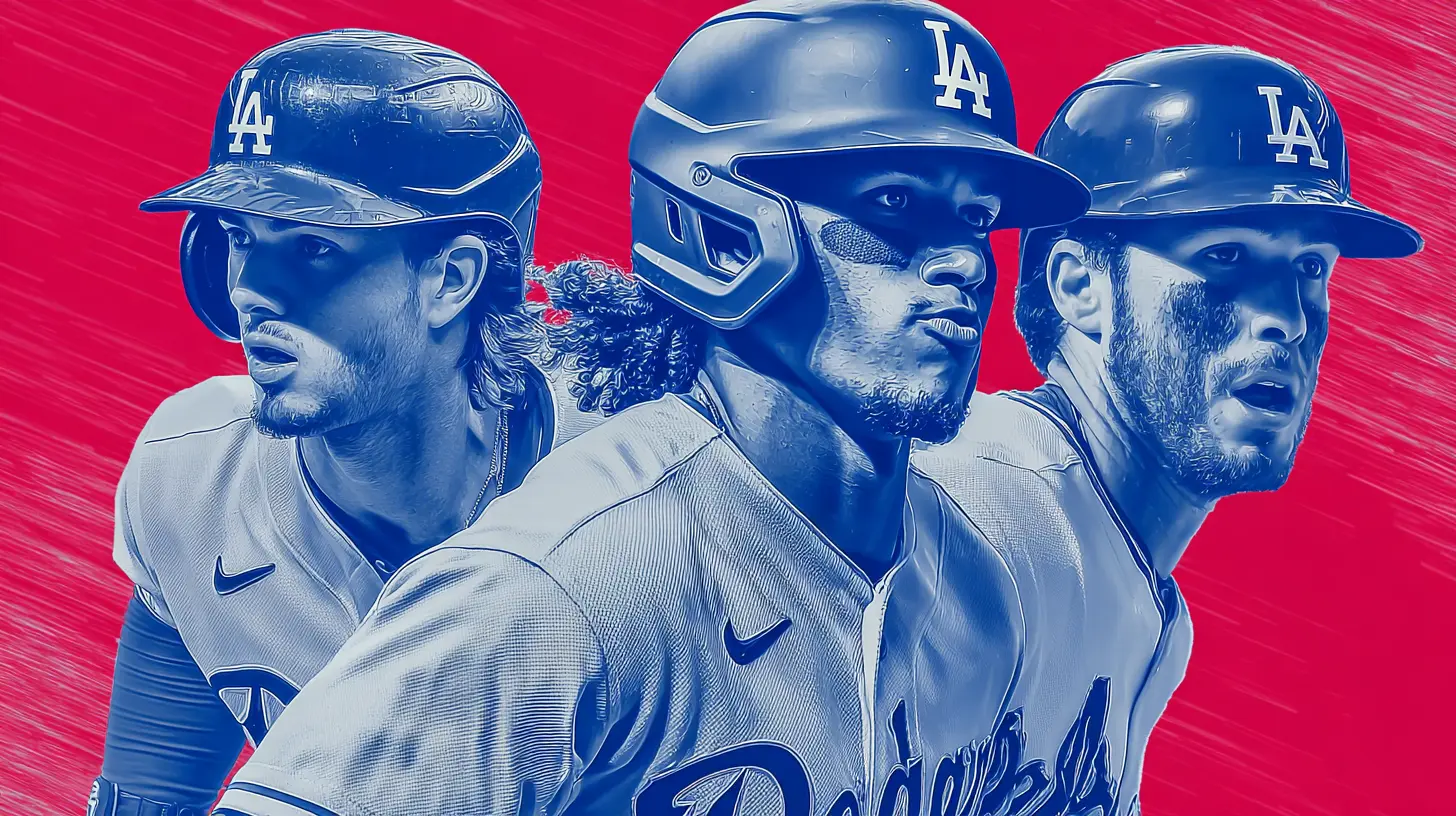
1. The Cincinnati Reds Win the NL Central by Double Digits
Everyone expects the Chicago Cubs to take the division. The Milwaukee Brewers are perennially competitive. The St. Louis Cardinals are in a weird middle ground. But the Reds have been quietly assembling one of the most balanced rosters in the National League, and 2026 is the year it all clicks.The pitching staff is the key. Hunter Greene has finally learned to sequence his fastball instead of just throwing it past people. Nick Lodolo stayed healthy for a full season in 2025, and the front office added two veteran starters on short-term deals who know how to eat innings. The bullpen, led by a revived Alexis Diaz, has three power arms who can miss bats in high leverage. That was the missing piece in 2024 and 2025 - the starters were fine, but the late innings were a coin flip.
On offense, Elly De La Cruz is entering his prime at age 24. He cut his strikeout rate by nearly eight percent in the second half of 2025, and that trend continues. The lineup now has three switch hitters and no obvious platoon hole. The Reds will be the highest-scoring team in the division, and their run differential will be the best in the league by the All-Star break.
Why this surprises people: Cincinnati has been a seller at the deadline for three straight years. The narrative is stuck on "rebuilding." But rebuilds end. This one ended in October 2025, and the division crown is the result.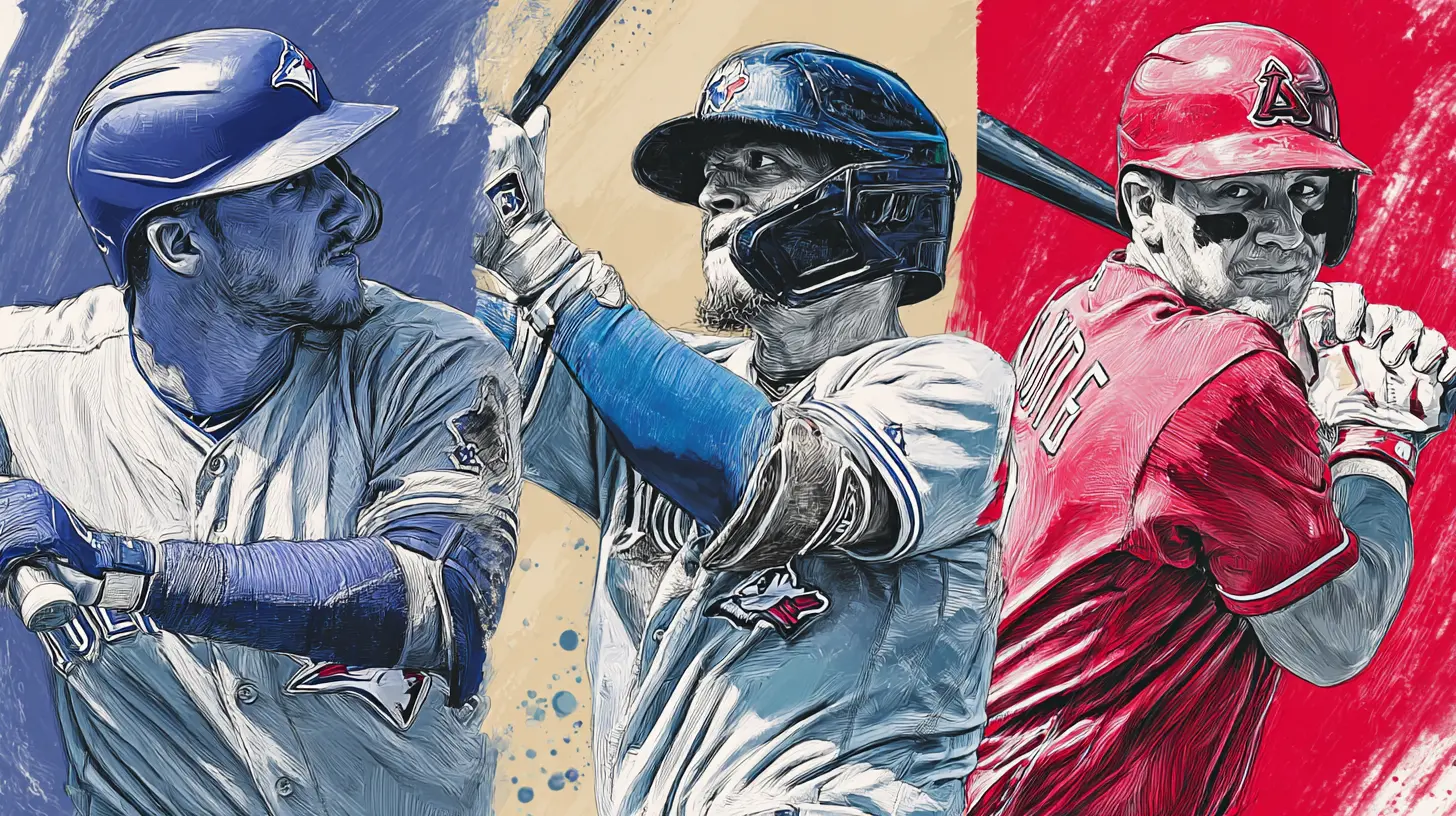
2. The Los Angeles Dodgers Miss the Playoffs Entirely
This is the one that will get me hate mail. The Dodgers have won the NL West for over a decade. They have a payroll that rivals small countries. They have Shohei Ohtani, Mookie Betts, and a farm system that keeps producing talent. How could they miss the postseason?The math is brutal. The starting rotation, as of early 2026, has five guys who are either coming off surgery or are on innings limits. Ohtani is not pitching until at least July. Tyler Glasnow has not thrown 150 innings since 2018. Yoshinobu Yamamoto is still adjusting to the every-fifth-day schedule. The Dodgers are carrying three openers in their rotation for the first two months, and that puts enormous strain on a bullpen that lost two key arms to free agency.
The division is also much better than people acknowledge. The San Diego Padres have a top-three rotation. The Arizona Diamondbacks have a young core that is ready to take the next step. The San Francisco Giants have finally committed to a true rebuild, but they play the Dodgers tough every time. The Dodgers will win 88 games and finish third. That feels impossible, but the roster construction is simply too fragile for a 162-game grind.
The front office knows this. They tried to sign another starter in the winter, but the new CBA's penalty for exceeding the luxury tax by more than forty percent is now a draft pick forfeiture that actually hurts. That changed their calculus. They are betting on health, and health is not a strategy.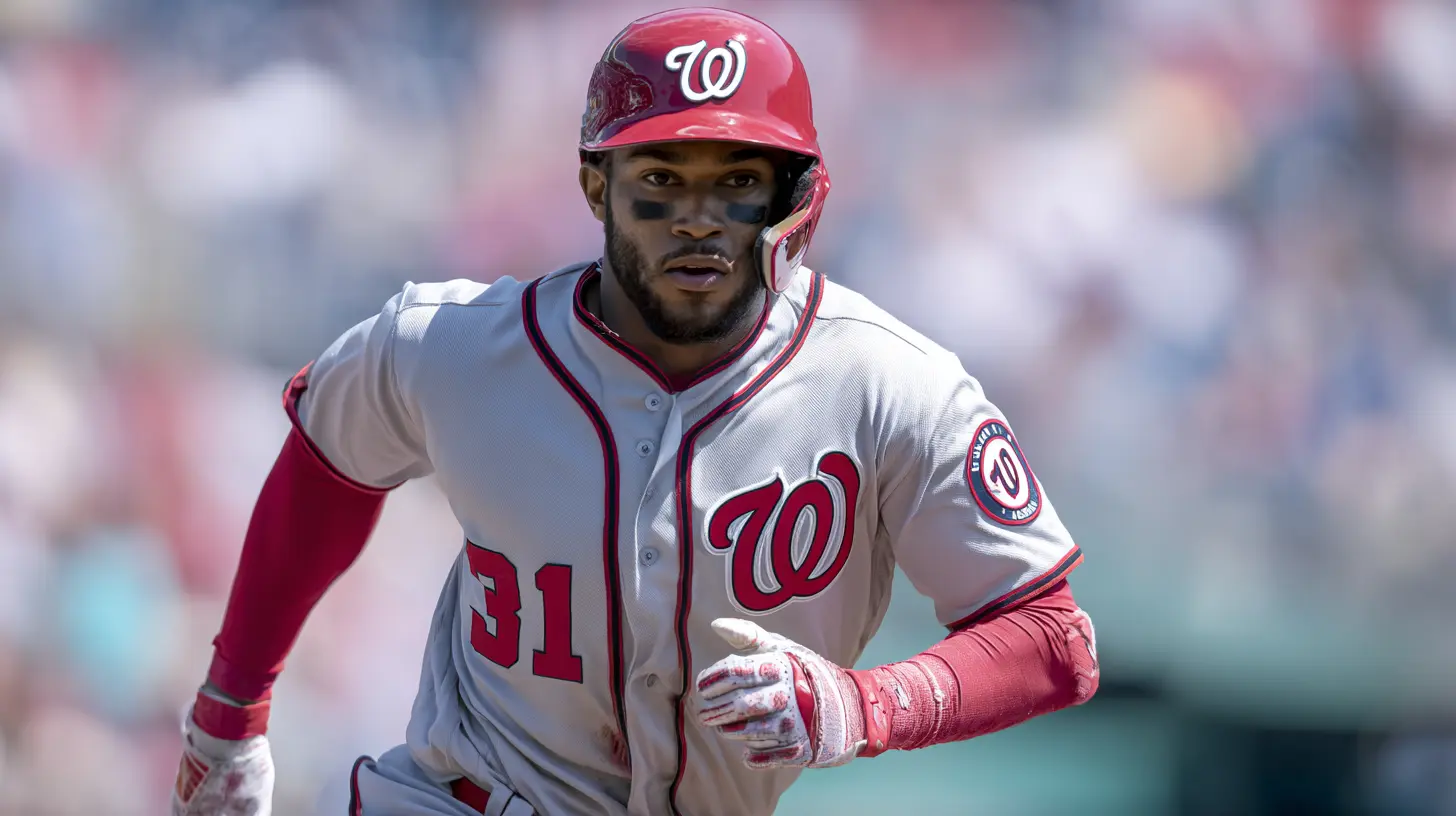
3. The Baltimore Orioles Trade a Top Prospect for a Reliever at the Deadline
This sounds like a small thing, but it represents a philosophical shift. The Orioles have been hoarding prospects for years. Their farm system is still top five, but the major league roster has a clear weakness: the bullpen has no established closer. Felix Bautista is gone, and the internal options have not worked.By late July, the Orioles will be in a tight division race with the New York Yankees and the Toronto Blue Jays. The front office will face a choice: use the prospect capital they have accumulated or stand pat and risk another early playoff exit. The smart play is to trade.
The surprising part is not that they make a trade. It is who they trade. The Orioles will part with a top-100 prospect who is two years away from the majors, not a blocked player at the back of the top-30 list. That is a departure from their usual patient approach. But the new front office leadership, brought in after the 2025 season, has a different philosophy. They believe that a championship window is only open for so long, and that prospects are inventory to be spent, not treasures to be hoarded.
The reliever they acquire will be a rental, not a long-term piece. That is the most surprising part of all. The Orioles are finally acting like a team that wants to win now, not a team that wants to win someday.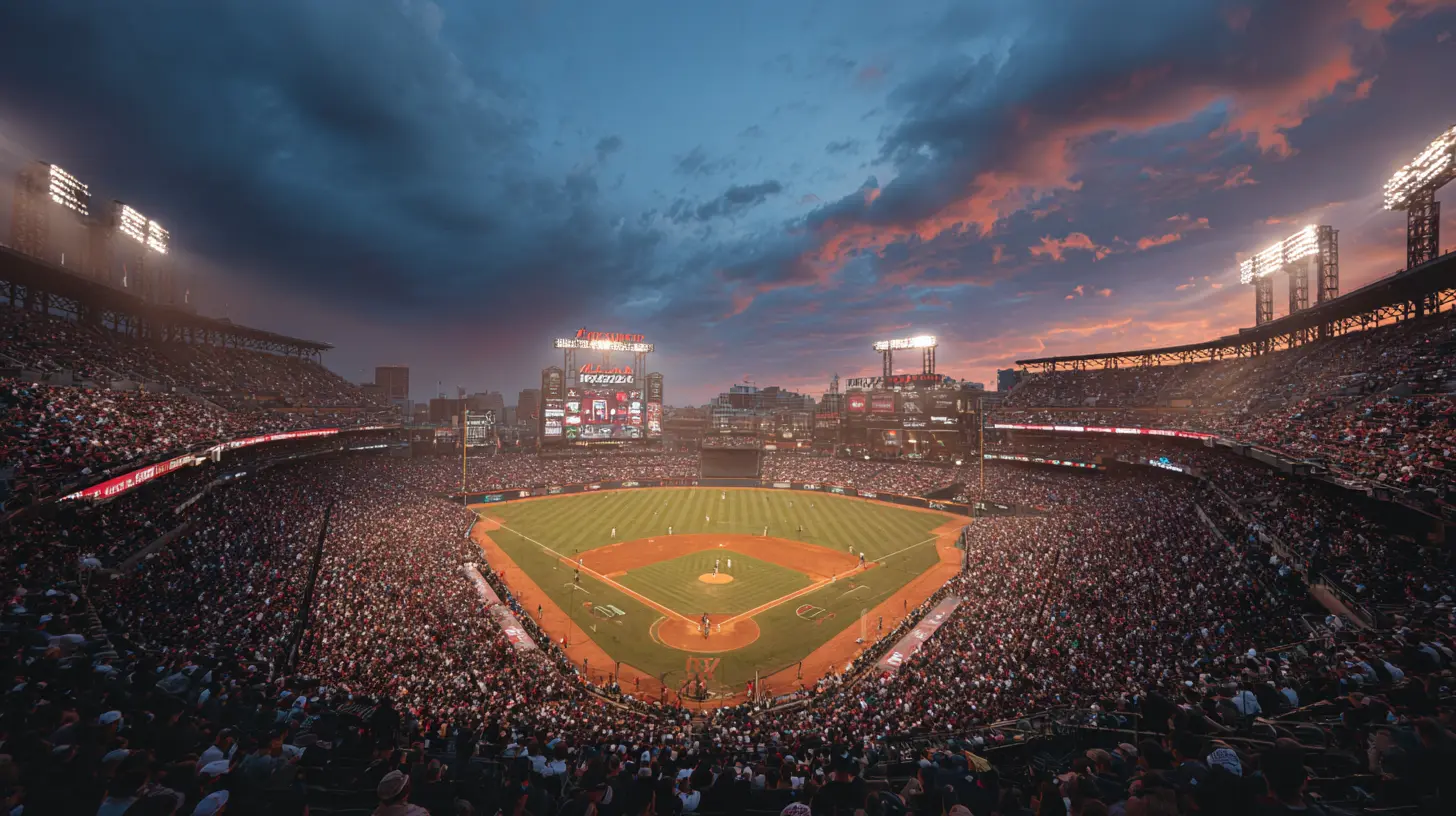
4. The Texas Rangers Lead the League in Stolen Bases
The running game is back in baseball. The rule changes from a few years ago have made stolen bases easier, but most teams have not fully adapted. The Rangers have.The 2026 roster is built for speed. Their top three hitters all have plus-plus speed and have been given the green light from day one. The new hitting coach has implemented a philosophy that values getting into scoring position without needing a home run. The Rangers will attempt over 250 steals this season and succeed at a rate above eighty percent.
The surprising part is not the total number. It is the impact on run scoring. The Rangers will score more runs than they did in their recent title year, but with thirty fewer home runs. They are trading power for pressure, and it works because their ballpark has a quirky outfield that rewards gap hitters who can stretch doubles into triples.
The trade-off is real. They will strike out more because they are swinging at pitches they can put in play on the ground. They will also ground into more double plays. But the math works in their favor because the new extra-inning rules and the pitch clock have made the running game more valuable than it has been in decades. Teams that do not run are leaving runs on the table.
5. The Seattle Mariners Finish in Last Place for the First Time in a Decade
This is a painful one for a fan base that has suffered enough. The Mariners have a great rotation, a decent bullpen, and an offense that has been mediocre for years. In 2026, that offense gets worse before it gets better.The core hitters are aging. The young replacements are not ready. The front office made a series of low-risk signings that backfired because they all fill the same role: left-handed hitters who pull the ball and strike out a lot. The lineup is unbalanced, and the division is too good to survive that.
The rotation is the real tragedy. The Mariners have three starters who would be aces on most teams, but they cannot score more than three runs per game. By August, the pressure gets to the young hitters, and the team spirals. They lose twenty of twenty-five games in a stretch that ends the season.
The surprising part is that the front office does not fire the manager. They keep him because they know the roster is the problem. That is a mature decision, but it does not help the fans who have to watch a last-place team with Cy Young-caliber pitching.
6. The New York Mets Use a Six-Man Rotation All Season
The Mets have invested heavily in starting pitching, but every one of their top arms has a history of injuries. The solution is not to hope for health. It is to design a system that reduces risk.The six-man rotation is not new, but the Mets will be the first team to use it for the entire season, including the playoffs. That requires a philosophical shift. The starting pitchers will rarely go past the sixth inning. The bullpen will be used in a more structured way, with designated multi-inning relievers who are treated like starters in terms of preparation.
The trade-off is that the Mets will lose some games where a starter could have gone seven innings. But they will win more games in September because their arms are fresh. The analytics department has run the numbers and concluded that the variance in starting pitching is higher than the variance in bullpen usage. They are betting that a fresh arm in the seventh inning is better than a tired arm in the fifth.
The surprising part is that this catches on. By 2027, half the league is doing it. But in 2026, the Mets are the only ones, and they are ridiculed for it until they win the division.
7. The Atlanta Braves Trade Their Closer at the Deadline and Still Win the East
The Braves have been the model franchise for a decade. They develop talent, sign their stars to team-friendly deals, and compete every year. But the new CBA has changed the calculus for mid-market teams. The Braves cannot afford to pay a closer twenty million dollars a year when they have a top prospect ready to take the role.The trade is surprising because the Braves are contenders. But they are also forward-looking. They will trade their established closer to a desperate team for a package that includes a starting pitcher who is blocked in the other organization. The new closer, a rookie with a ninety-nine mile per hour fastball, will struggle for two weeks and then dominate.
The rest of the bullpen steps up because the manager uses a matchup-based approach instead of a fixed role. The Braves win the division by five games, and the trade is seen as a stroke of genius. But it was not genius. It was the result of a front office that is willing to make unpopular decisions when the data supports them.
8. The Pittsburgh Pirates Have a Winning Record in April
This is a classic trap prediction, but there is a reason it will happen. The Pirates have a young core that is finally healthy. The schedule in April is soft, with fourteen games against teams that are expected to lose ninety games. The Pirates will take advantage.The surprising part is not the record itself. It is what happens next. The Pirates will play .500 ball in May and June. They will be in the wild card race at the trade deadline. The front office will buy, not sell, for the first time in years. They will trade a mid-level prospect for a rental bat, and it will not work. The team will fade in September and finish a game out of the last wild card spot.
But the foundation is there. The 2026 season is the turning point. The Pirates are not a joke anymore. They are a team on the rise, and the rest of the league has not noticed yet.
9. The Cleveland Guardians Lead the League in Home Runs
This is the most contrarian prediction on the list. The Guardians have been known for contact hitting, speed, and defense. They have not had a forty-home-run hitter in years. But the new hitting philosophy in Cleveland is all about launch angle and exit velocity, and the young hitters have bought in.The park in Cleveland is not a home run park. But the team will hit more home runs on the road than any other team in baseball. The lineup is full of hitters who are just entering their prime, and they have been trained to lift the ball to the opposite field. The result is a fifty-home-run improvement over the previous season.
The trade-off is a higher strikeout rate and fewer stolen bases. The Guardians will not be as fun to watch in the small-ball sense. But they will score more runs, and they will win the division because of it.
10. The Wild Card Teams Come From the Same Division
This has not happened in the current playoff format, but it will happen in 2026. The AL East is so deep that three teams finish above ninety wins, and the wild card spots are determined within the division. The Yankees, the Orioles, and the Red Sox all make the playoffs. The Blue Jays are the odd team out, and they finish with eighty-eight wins.The playoff implications are huge. One of the wild card teams will have to play a best-of-three series against a division rival that they have seen twenty times. Familiarity breeds close games, and the series will go to the final game. The winner will be exhausted, and the division winner will have a clear advantage in the next round.
This is not a prediction about a specific team winning. It is a prediction about the structure of the season. The new scheduling format, which emphasizes divisional play, has created a situation where the best teams in baseball are all in the same division. That is not sustainable, and it will lead to a rule change in the next CBA. But for 2026, it is the reality.
The Bigger Picture
These predictions are not meant to be taken as gospel. Baseball is a game of variance, and a single injury can change everything. But they are meant to challenge the conventional wisdom that dominates the offseason discourse. The teams that win in 2026 will be the ones that adapt to the new rules, the new economics, and the new analytics. The teams that lose will be the ones that keep doing what they have always done.The most important trend to watch is the increasing specialization of pitching staffs. The six-man rotation, the opener, the bulk reliever, the one-inning closer - these are not gimmicks. They are responses to the reality that pitchers cannot throw as hard as they do and stay healthy for 200 innings. The teams that accept this reality will have an advantage. The teams that fight it will be left behind.
The second trend is the return of the stolen base. The rule changes have made it a legitimate weapon again, but most teams have not adjusted their offensive philosophy. The teams that run will score more runs without needing to hit home runs. The teams that do not run will be at a disadvantage, especially in close games.
The third trend is the changing value of prospects. The new CBA has made it more expensive to keep prospects in the minors, so teams are promoting them faster. That means more rookies in the majors, and more variance in performance. The teams that can develop their young players quickly will have an edge. The teams that are patient will be left behind.
The 2026 season is going to be unpredictable in ways that we cannot even imagine right now. That is what makes baseball great. The game is always changing, and the teams that adapt are the ones that win. These predictions are my best guess at who will adapt and who will not. Only time will tell if they are right.
all images in this post were generated using AI tools
Category:
Game PredictionsAuthor:

Everett Davis
Discussion
rate this article
1 comments
Maggie McGuffey
This article offers a fresh take on the 2026 MLB season, highlighting unexpected predictions that could shake up the league. It's interesting to see how early insights can spark debates among fans. While some forecasts seem bold, they add excitement to the anticipation of the upcoming season. Let's see how it unfolds.
September 3, 2026 at 12:39 PM
Everett Davis
Thanks for sharing your thoughts! It's always fun to spark some debate, and I agree-bold predictions definitely keep the excitement alive for the season ahead. Looking forward to seeing how it all plays out!